

Archive · 25 Nov 2025
Dengue and Malaria Cases Persist in Delhi NCR During Winter
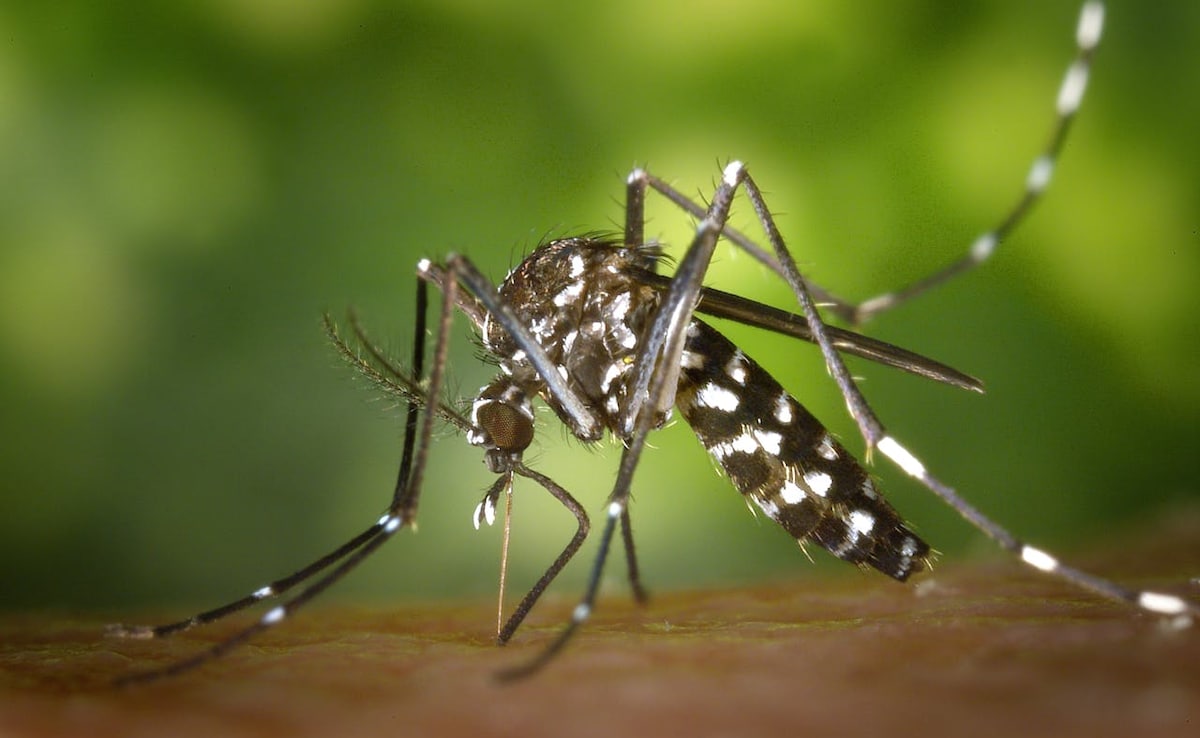
Dengue and malaria are usually thought of as diseases that spread during the rainy season.
However, in Delhi and nearby areas, cases have been found even in the cooler months of October to December.
This happens because mosquitoes can still breed in small containers of water, and cities can be warmer than the surrounding areas.
Also, sometimes the efforts to control mosquitoes are not done properly, and people might not take enough precautions.
To prevent these diseases, it's important to get rid of any standing water, use mosquito repellent, and for the authorities to keep checking and spraying areas where mosquitoes might breed.
Even though these diseases are most common after the monsoon, it's important to stay careful even in the winter.

Dengue and malaria cases persist in Delhi NCR into late autumn and early winter, with hundreds of cases reported in 2025.
Key factors contributing to persistent cases include residual breeding sites, urban microclimates, lapses in vector control, and human behavior.
Prevention measures include eliminating standing water, using personal protection like repellents and bed nets, and sustaining anti-larval campaigns.
Authorities are advised to strengthen surveillance, conduct regular inspections, and engage with communities for cleanup drives.
The National Vector Borne Disease Control Programme (NVBDCP) and the Integrated Disease Surveillance Programme (IDSP) emphasize the importance of continued vigilance and early medical intervention.
- Who
- Residents of Delhi NCR, public health officials, municipal authorities
- What
- Persistent dengue and malaria cases during post-monsoon and winter months
- When
- October to December 2025
- Where
- Delhi, Noida, Greater Noida
- Why
- Residual breeding sites, urban microclimates, vector control lapses, human behavior
- Disease Types
- Dengue, Malaria
- Primary Season
- Monsoon
- Post-Monsoon Cases
- Hundreds of dengue and malaria cases reported in 2025
- Key Factors
- Residual breeding sites, urban microclimates, vector control lapses, human behavior
- Prevention Measures
- Eliminate standing water, use personal protection, sustain anti-larval campaigns, strengthen surveillance
- Organizations Involved
- NVBDCP, IDSP, NCDC, WHO
- Geographical Focus
- Delhi NCR (Delhi, Noida, Greater Noida)