Archive · 7 Sep 2025
WHO Adds GLP-1 Drugs to Essential Medicines List
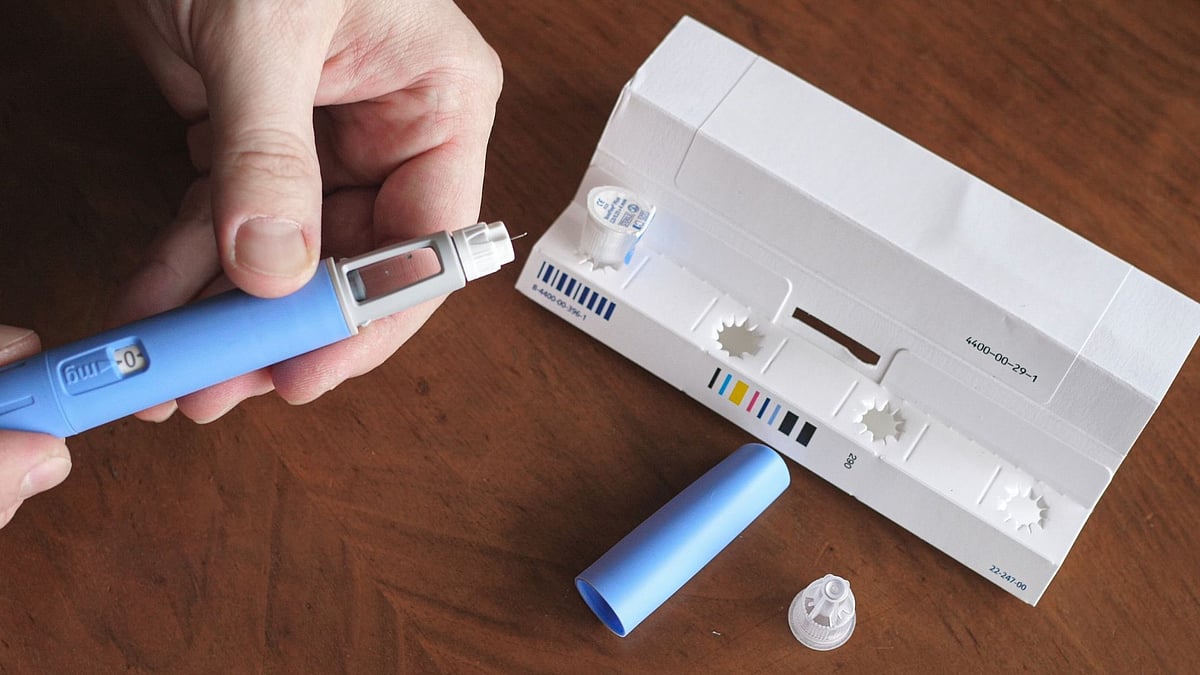
The World Health Organization (WHO) has added GLP-1 drugs, such as Ozempic and Mounjaro, to its list of essential medicines.
This means the WHO believes these drugs are important for treating type 2 diabetes, particularly for those with heart or kidney problems or obesity.
The goal is to make these medications more available, especially in poorer countries.
This decision aims to improve treatment outcomes by making them more affordable and accessible.

WHO included GLP-1 receptor agonists in its Model List of Essential Medicines.
The inclusion is intended for type 2 diabetes patients with related complications.
The WHO aims to increase access, especially in low- and middle-income countries.
The decision is expected to promote generic alternatives and reduce costs.
The move could transform treatment outcomes for millions worldwide.
- Who
- World Health Organization (WHO)
- What
- Added GLP-1 receptor agonists to the Model List of Essential Medicines
- When
- Not specified in articles
- Where
- Globally
- Why
- To accelerate global access and affordability, especially in low and middle-income countries
- Organization
- World Health Organization (WHO)
- Action
- Added GLP-1 receptor agonists to Essential Medicines List
- Drugs Mentioned
- Ozempic, Mounjaro
- Intended Use
- Type 2 diabetes with cardiovascular complications, chronic kidney disease, or obesity
- Goal
- Improve global access and affordability
Sources

WHO expands Essential Medicines List to include diabetes, obesity treatments, cystic fibrosis, and cancer drugs

WHO expands Essential Medicines List to include diabetes, obesity treatments, cystic fibrosis and cancer drugs
WHO adds weight loss drugs under ‘essential medicines’ list. Here’s what it means