

Archive · 3 Jun 2025
Aortic Aneurysm: Causes, Risks, Symptoms, and Treatment
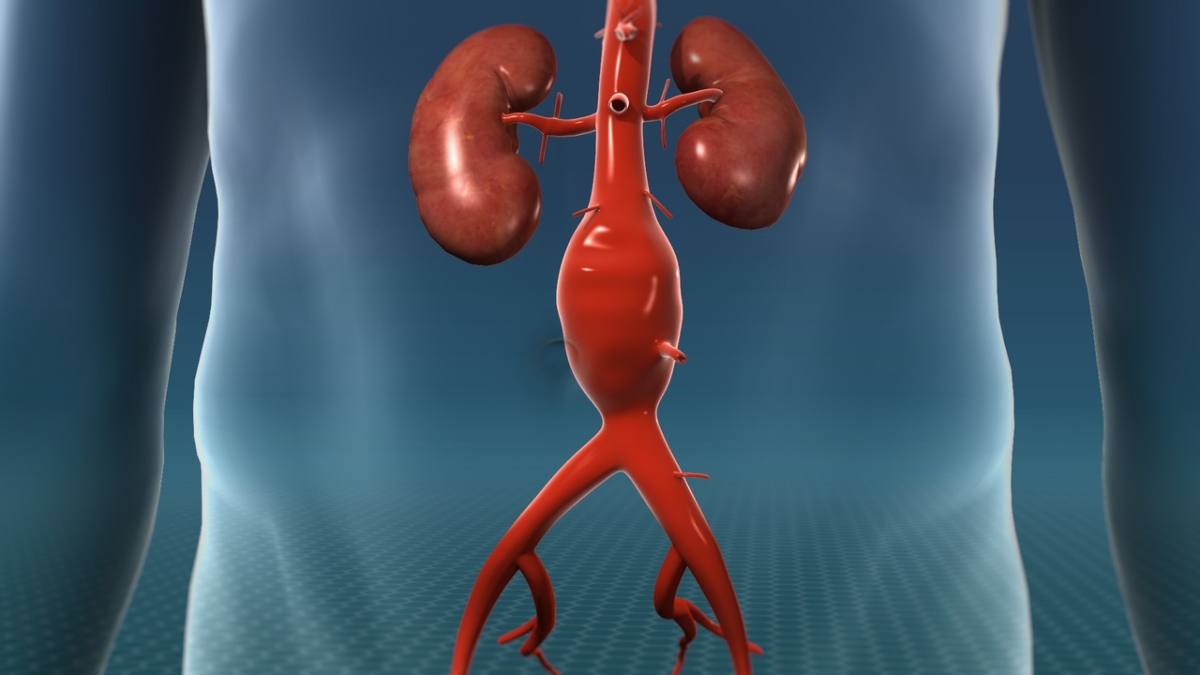
An aortic aneurysm is like a bulge in the aorta, the main blood vessel in your body.
It can happen in the chest or stomach.
Causes include high blood pressure, smoking, and genetics.
Often, there are no symptoms until it gets large.
Doctors use scans like ultrasound to find them.
If it's small, doctors may just watch it.
If it's large, surgery might be needed.
Healthy habits like not smoking and eating well can help prevent it.

An aortic aneurysm is a bulge in the aorta, the largest artery.
It can occur in the chest (thoracic) or stomach (abdominal) area.
Risk factors include high blood pressure, smoking, and genetics.
Diagnosis involves imaging like ultrasound, CT scans, or MRI.
Treatment may include monitoring or surgery depending on size.
- Who
- People over 65 or those who smoke are at higher risk.
- What
- An aortic aneurysm is a balloon-like swelling in the aorta.
- When
- Symptoms usually appear when the aneurysm is large or ruptures.
- Where
- Aortic aneurysms can occur in the chest (thoracic) or stomach (abdominal) area.
- Why
- High blood pressure, atherosclerosis, smoking, and genetics can increase the risk.
- Definition
- Bulging in the aorta
- Types
- Thoracic or Abdominal
- Risk Factors
- High blood pressure, smoking
- Diagnosis
- Ultrasound, CT scan, MRI
- Treatment
- Surgery or Monitoring
- Prevention
- Lifestyle Changes, Screening