

Archive · 4 Sep 2026
RBI Accounting May Retain Excess Capital From Government
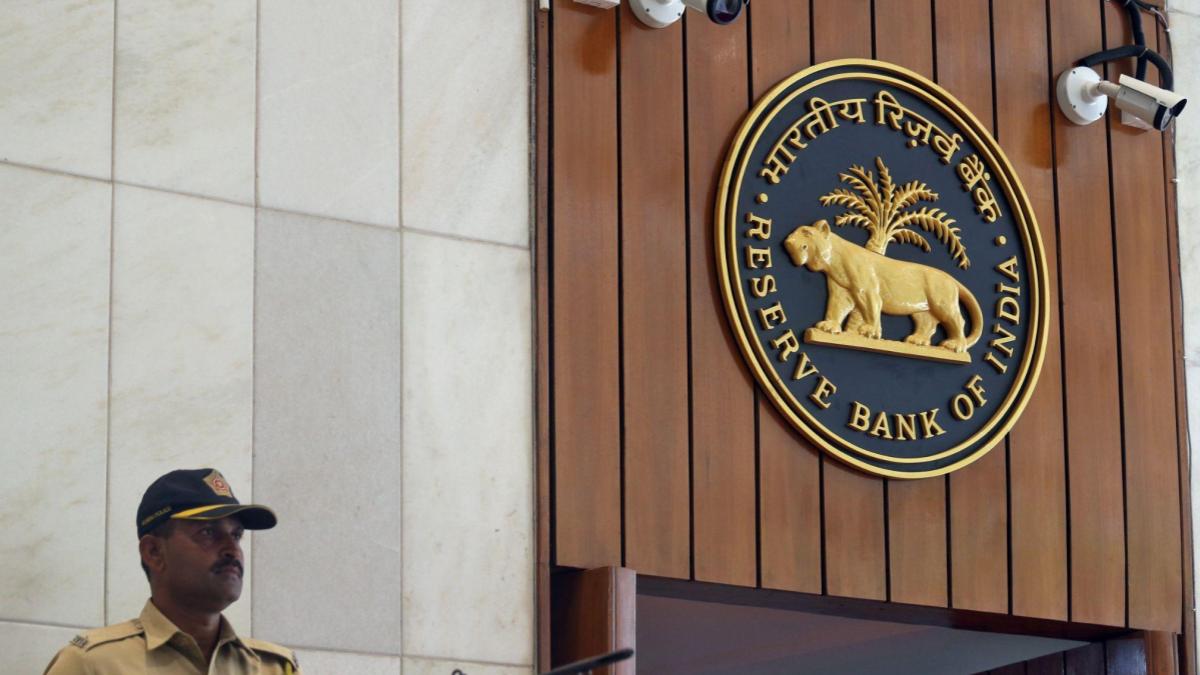
The Reserve Bank of India gives some of its earnings to the government.
It also keeps money in special reserves to protect itself from financial risks.
The article says the RBI may be keeping more realised money than it needs.
It points to large gains from foreign assets and gold that are recorded in separate accounts.
Some losses on investments reduce one reserve, while gains on foreign assets stay outside the income calculation.
This makes it difficult to see how much money the RBI could safely transfer.
The article estimates that tens of thousands of crores might have been available for the government.
It recommends clearer accounting rules and calculating reserves using a different asset base.
The goal would be to preserve safety while giving the government its legitimate share of surplus.

The Reserve Bank of India announced a Rs 2,86,588 crore surplus transfer to the government for FY26.
The RBI allocated Rs 1,09,380 crore to its Contingency Fund in FY26, up from Rs 44,862 crore in FY25.
The article argues that unrealised foreign-exchange and gold gains held in revaluation accounts obscure the RBI’s distributable realised equity.
Based on its calculations, the article estimates potential additional transfers of about Rs 70,669 crore against a 7.5% buffer, or Rs 1,40,954 crore against the 6.5% buffer used.
It proposes offsetting certain foreign-asset revaluation accounts against the Currency and Gold Revaluation Account and calculating capital requirements on assets net of revaluation accounts.
- Who
- The Reserve Bank of India and the Government of India.
- What
- The RBI transferred Rs 2,86,588 crore for FY26, while an analysis argues that additional realised equity may have been retained in reserves.
- When
- The figures concern financial year 2025-26, with comparisons to FY25 and changes under a framework approved on May 15, 2025.
- Where
- In the Reserve Bank of India’s balance sheet and accounting accounts.
- Why
- The article argues that the RBI’s accounting treatment and reserve calculations may retain more capital than its prescribed risk requirements warrant.
Greater Government Distribution
Higher Central-Bank Reserves
How much capital should be retained
Greater Government Distribution
The article argues that the RBI’s realised equity exceeds what is required under the revised framework when assets are measured net of revaluation accounts, leaving additional money that could go to the government.
Higher Central-Bank Reserves
The RBI’s framework permits a Contingent Risk Buffer between 4.5% and 7.5% of balance-sheet assets, allowing the Central Board to retain capital for potential risks.
Treatment of revaluation accounts
Greater Government Distribution
The article says foreign-asset revaluation gains in the Currency and Gold Revaluation Account should be considered alongside related foreign-security and forward-contract adjustments for greater transparency.
Higher Central-Bank Reserves
Under the accounting structure described, unrealised gains and losses are kept in separate revaluation accounts and do not enter income unless realised, while certain debit balances are charged to the Contingency Fund.
Fiscal implications
Greater Government Distribution
Because the RBI is wholly owned by the government, the article argues that excess retained capital reduces government revenue and can increase borrowing and the fiscal deficit.
Higher Central-Bank Reserves
Retaining substantial economic capital provides a buffer against market and currency risks; the article notes that the RBI’s total economic capital was 30.08% of balance-sheet assets in FY26.
- FY26 surplus transfer
- Rs 2,86,588 crore
- FY25 surplus transfer
- Rs 2,68,590 crore
- FY26 Contingency Fund allocation
- Rs 1,09,380 crore
- FY26 available realised equity
- Rs 5,97,813 crore, equal to 6.5% of balance-sheet assets
- FY26 balance-sheet assets
- Rs 91,97,121 crore
- FY26 Currency and Gold Revaluation Account
- Rs 21,68,530 crore
- Estimated additional distributable amount
- About Rs 70,669 crore against a 7.5% buffer, or Rs 1,40,954 crore against the 6.5% buffer