

Archive · 29 Jan 2026
How modern racing bikes travel continents
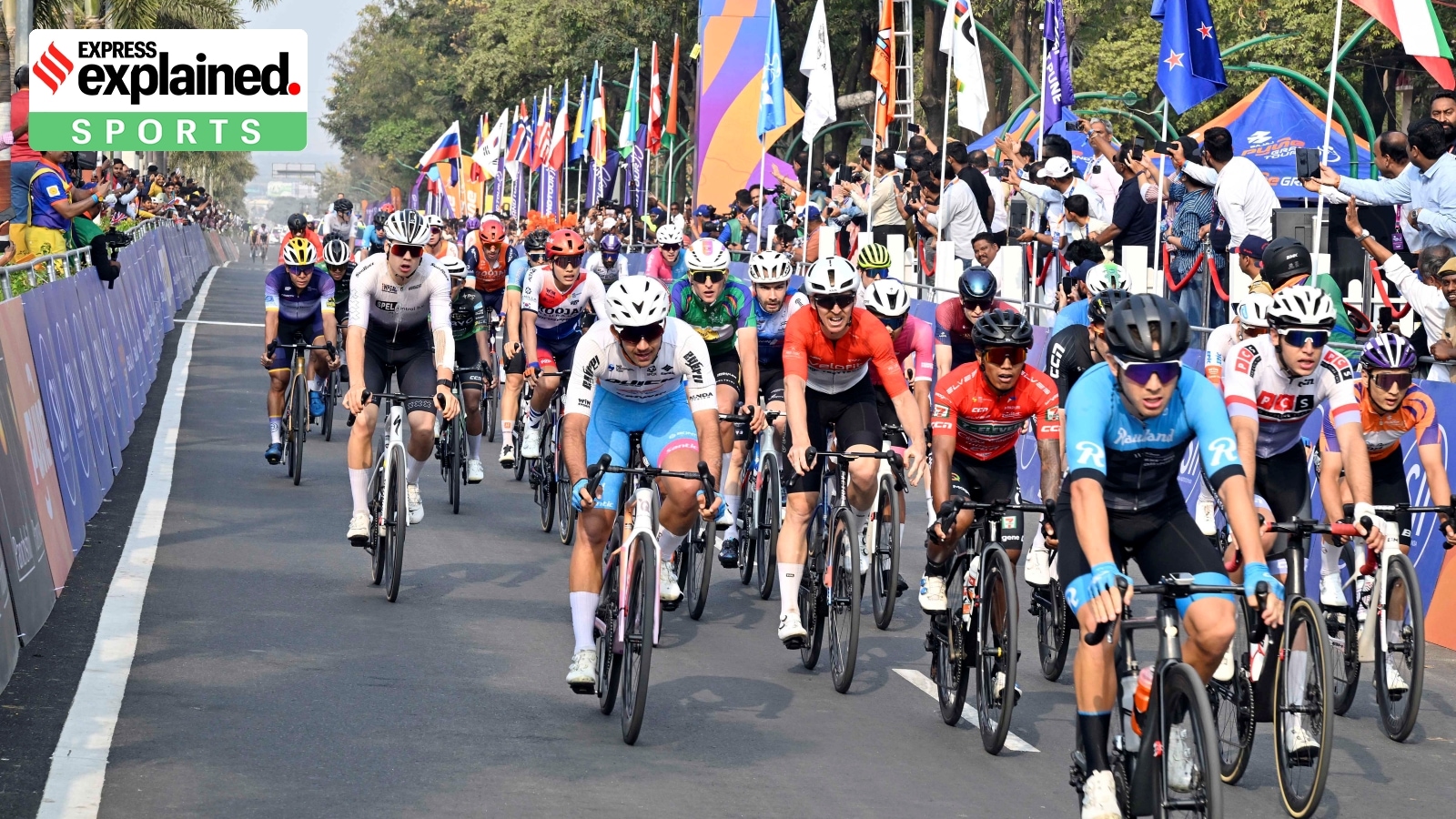
Modern racing bikes are designed to be easily disassembled and packed into suitcases for travel.
They are much lighter than regular bikes, weighing only 7 to 8 kg when assembled.
Professional cyclists like Nur Aiman Rosli and Indian riders Vishwajeet Singh and Surya Thathu have seen significant improvements in their bikes over the years.
These bikes can reach speeds of up to 80 km/hour and are carefully assembled by mechanics before races.
The bikes are transported in special cases that protect them during travel, and they come with various accessories and spare parts.
The reduced weight and advanced materials used in these bikes make them easier to transport and more efficient to ride.

Modern racing bikes can be disassembled and packed into suitcases for easy transportation.
These bikes weigh between 7 to 8 kg when assembled, much lighter than regular bikes.
Professional cyclists like Nur Aiman Rosli and Indian riders have seen significant upgrades in their bikes over the years.
The bikes are carefully assembled by mechanics before races, with various accessories and spare parts included.
The reduced weight and advanced materials used in these bikes make them easier to transport and more efficient to ride.
- Who
- Professional cyclists and their teams
- What
- Transportation and assembly of modern racing bikes
- When
- During major sporting events, such as the Pune Grand Tour
- Where
- Various locations around the world, including India
- Why
- To ensure the bikes are in optimal condition for racing and to facilitate easy transportation
- Weight of assembled racing bike
- 7 to 8 kg
- Cost of Nur Aiman Rosli's current bike
- 40,000 Malaysian ringgit (over Rs 9 lakh)
- Number of extra wheels carried
- 6 to 8
- Number of gears in modern racing cycles
- 12 or 13
- Weight of Vishwajeet Singh's current bike
- 7 kg
- Cost of Surya Thathu's current bike
- Rs 2.5 lakh
- Dinesh's current bike model
- Cervelo S5