1 month ago
Europa's Hidden Ocean May Hold Clues to Life
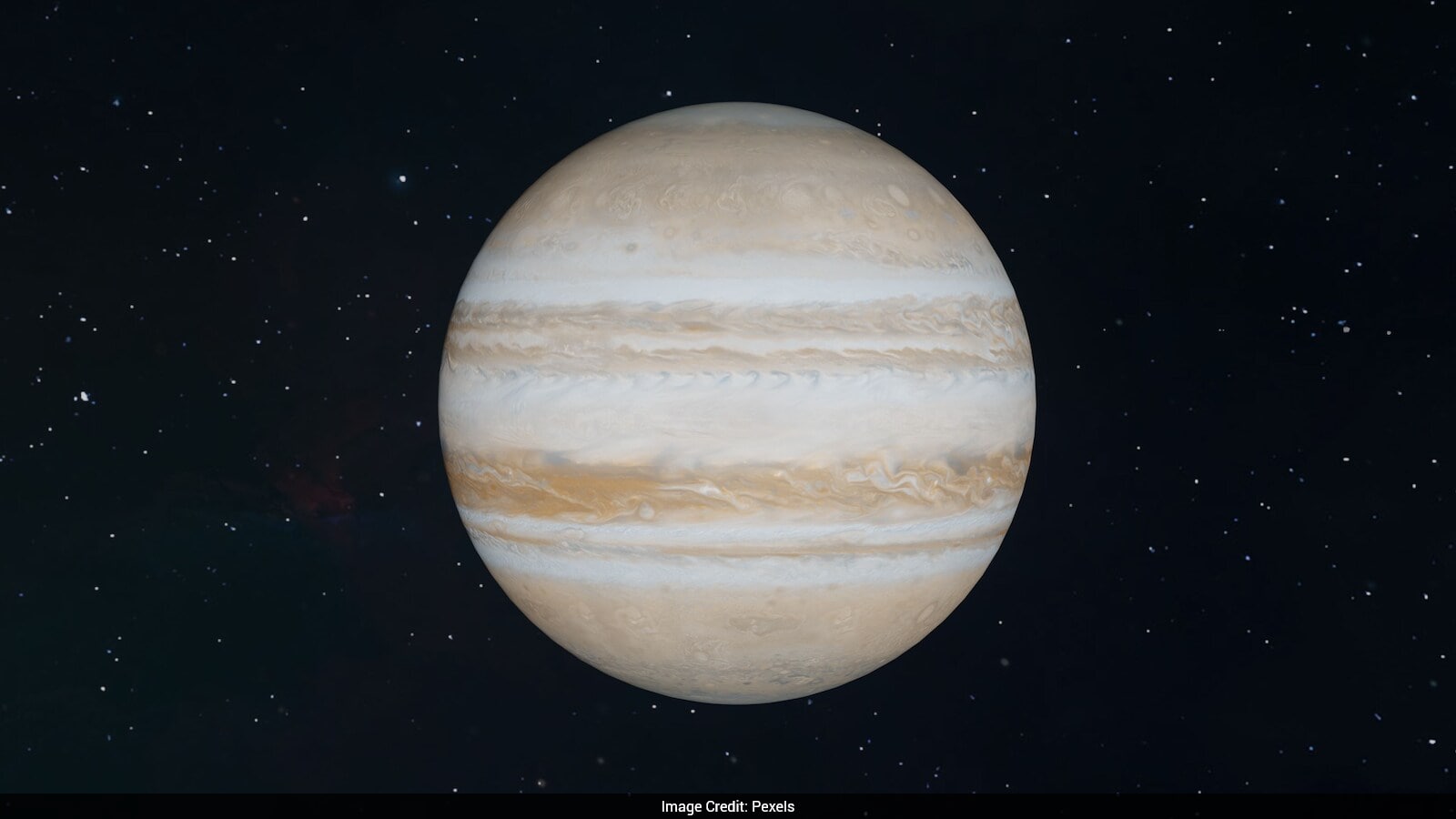
Europa, one of Jupiter's moons, is covered in a thick layer of ice.
Scientists think there's a huge ocean of liquid water hidden beneath this ice.
This ocean might have everything needed for life: water, chemicals, and energy.
Europa is very cold and gets a lot of radiation from Jupiter, but the ocean stays liquid because of heat from Jupiter's gravity.
The moon is smaller than Jupiter's other big moons and has a smooth surface with few craters.
It also has a thin atmosphere made of oxygen, but not enough for humans to breathe.
Scientists are excited because Europa could help us learn more about life in other places in the universe.

Europa has a thick ice shell and a hidden ocean beneath it.
The ocean contains more water than all of Earth's oceans combined.
Europa's ocean is kept liquid by tidal heating from Jupiter's gravity.
The moon has a thin atmosphere mostly made of molecular oxygen.
Scientists believe Europa's ocean could have the ingredients for life.
- Who
- Scientists and researchers
- What
- Europa's hidden ocean and potential for life
- Where
- Jupiter's moon Europa
- When
- Ongoing research and future missions
- Why
- To search for life beyond Earth and understand the conditions for life in extreme environments
Optimistic View
Cautious View
Potential for Life
Optimistic View
Europa's hidden ocean has the three key ingredients for life: liquid water, chemical elements, and an energy source.
Cautious View
While Europa has the potential for life, the harsh conditions and lack of direct evidence make it uncertain.
Exploration Feasibility
Optimistic View
Future missions could provide more data and potentially confirm the presence of life.
Cautious View
The extreme conditions and distance make exploration challenging and costly.
Key facts
- Radius
- 1,500 kilometres
- Surface Temperature
- Below -160 degrees Celsius
- Orbital Period
- 3.55 Earth days
- Surface Age
- 20 million to 180 million years
- Atmosphere Composition
- Molecular oxygen
- Ice Shell Thickness
- 30 kilometres