

Archive · 26 Oct 2025
Kerala Adivasis' Health Affected by Ecological Destruction
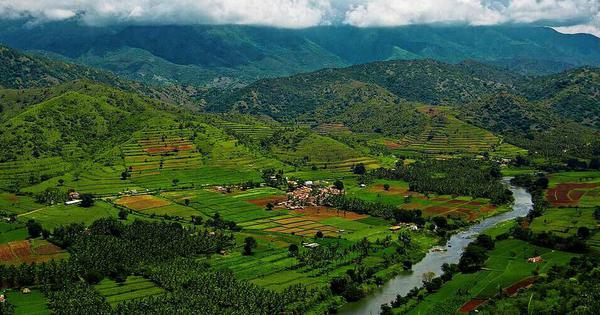
In Attappadi, a region in India, the Adivasi people are facing health problems, especially infant deaths.
This is linked to the loss of their land and the environment being damaged.
They used to grow millet for food, but now they eat less nutritious foods.
The government tries to help with hospitals and food programs, but the Adivasi people believe that these problems are rooted in the loss of their land and traditional farming practices.
They also worry about the poor quality of food they are now eating.
Restoring the land and traditional food practices is seen as key to improving their health.

Infant mortality rates are high among Adivasi communities in Attappadi.
Malnutrition and loss of land are contributing factors to poor health.
Traditional millet farming has been replaced by subsidized rice and ecological changes.
Land alienation and government policies have impacted the Adivasi's traditional food sovereignty.
Some government initiatives don't address the core issues of land and food sovereignty.
- Who
- Adivasi communities in Attappadi, Kerala
- What
- Experiencing health issues, including infant mortality and malnutrition, linked to ecological destruction and loss of land and food sovereignty.
- When
- Since the 19th century, with significant changes occurring in the mid-19th century and postcolonial times.
- Where
- Attappadi in Kerala, India.
- Why
- Due to ecological destruction, land alienation, loss of traditional food sources, and inadequate government initiatives.
- Location
- Attappadi, Kerala, India
- Adivasi Population
- 43%
- Infant Mortality (2012-2021)
- 136 reported deaths
- Traditional Food Source
- Millet farming
- Key Issues
- Malnutrition, land alienation, ecological degradation
- Government Initiatives
- Health and agriculture projects, Millet Village initiative