3 weeks ago
Louisiana reports nine Vibrio infections, five deaths from 'flesh-eating' bacteria
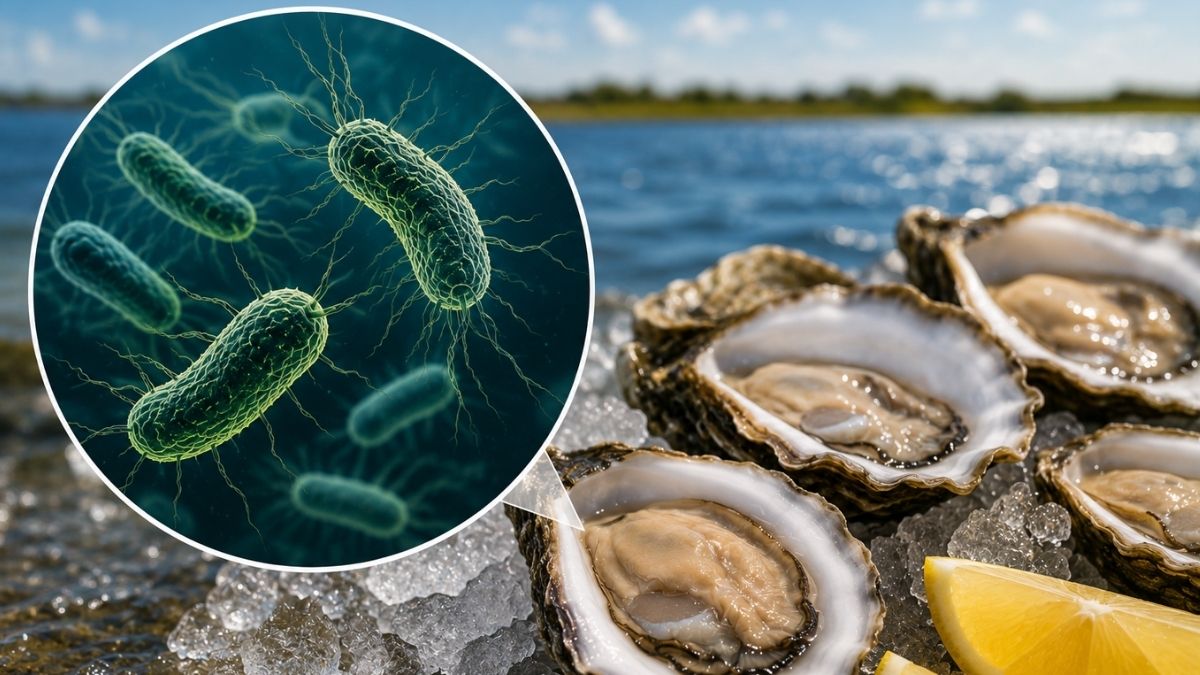
Imagine you're at the beach with a small cut on your skin.
If you go into warm ocean water, tiny germs called Vibrio vulnificus can get inside that cut and make you very sick.
These germs live naturally in warm coastal waters, and they are most common from May through October.
This year in Louisiana, nine people got sick from these germs and five of them died.
The germs are especially dangerous for people who already have health problems, like diabetes or a weak immune system.
You can also get sick by eating raw or undercooked shellfish, especially oysters.
The infection can cause stomach cramps, fever and very bad skin wounds.
If a cut becomes red, swollen, painful or warm after swimming, you should see a doctor right away.
Cooking shellfish well and covering cuts with waterproof bandages helps keep you safe.

Louisiana reported nine cases of Vibrio vulnificus infection this year, including five deaths, according to the state's Department of Health.
The state has averaged seven cases and one death during the same period in previous years.
All nine cases were linked to wounds exposed to seawater, and all nine patients had underlying medical conditions.
The bacteria occur naturally in warm coastal waters, peak from May through October, and can enter the body through open wounds or raw and undercooked shellfish, especially oysters.
The CDC says about one in five people with the infection die, sometimes within one or two days of becoming ill.
- Who
- Louisiana residents with underlying medical conditions whose wounds were exposed to seawater.
- What
- Nine cases of Vibrio vulnificus infection, including five deaths, reported by Louisiana health officials.
- Where
- Louisiana, United States, in warm coastal saltwater and brackish water.
- When
- This year (2026); the bacteria are most numerous from May through October.
- Why
- All cases were linked to wounds exposed to seawater containing naturally occurring bacteria; severe illness risk is higher in people with underlying conditions.
Key facts
- Reported cases this year
- 9
- Reported deaths this year
- 5
- Average cases in previous years (same period)
- 7
- Average deaths in previous years (same period)
- 1
- Transmission routes
- Open wounds in saltwater or brackish water; raw or undercooked shellfish
- Peak season
- May through October
- Fatality rate
- About 1 in 5 people with the infection
- Higher-risk groups
- People with liver disease, cancer, diabetes, HIV, thalassemia or weakened immune systems
Sources
Related news
US Beach Bacteria Infections Prompt Warnings, India Risk Assessed

5 Dead in Louisiana as Flesh-Eating Vibrio Bacteria Infections Surge

Louisiana Girl Dies After Rare Amoeba Lake Infection
Necrotising Fasciitis: 'Flesh-Eating' Disease Puts Man in 4-Day Coma

Bihar Warns Against Unknown Fish Carried By Nepal Floodwaters

Shigellosis Cases Rise in Kerala as Child Hospitalised

Hayden Panettiere's Death Shows No Signs of Foul Play

Ocasio-Cortez doesn't rule out 2028 presidential or Senate run

Trump's Top General Seeks Off-Ramp as Iran War Drags On

Grande Pauses Public Life After Tour, Drops West End Role