

Archive · 30 Jan 2026
Indian Biscoff Biscuits Spark Taste Debate
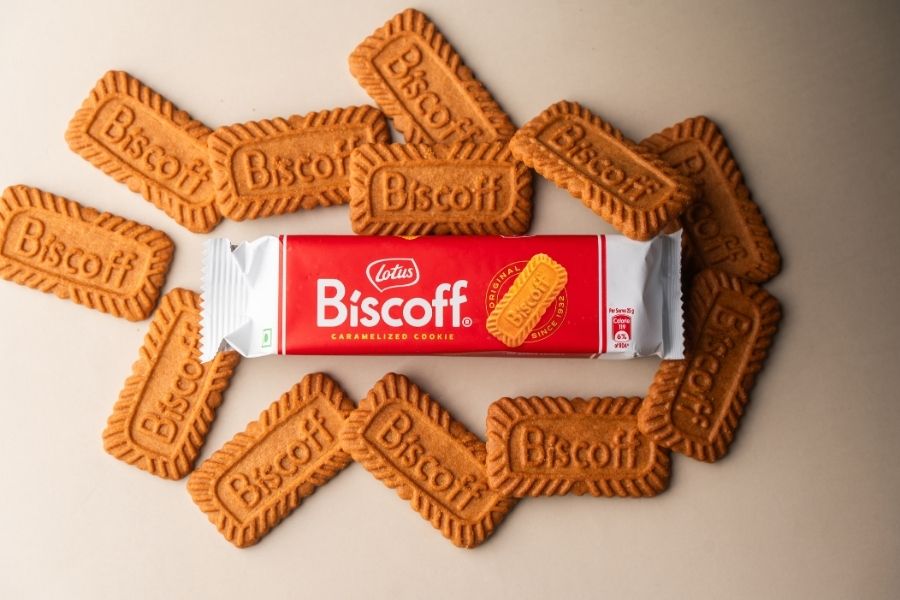
Lotus Biscoff, a popular biscuit, is now made in India and sold for a much lower price.
However, people are debating whether the Indian version tastes the same as the original imported one.
The Indian version uses different oils and is generally sweeter, with less of the caramel aftertaste that the original is known for.
Bakers and chefs have noticed these differences, with some preferring the imported version for its richer flavor.
Despite the changes, many still find the Indian version suitable for recipes where it's mixed with other ingredients.

Lotus Biscoff is now made in India and sold for as low as Rs 10 per pack, down from Rs 300 for imported versions.
The Indian version uses palm oil with sunflower oil, while the imported version uses palm oil with canola oil.
Bakers and chefs note a difference in taste and texture, with the Indian version being sweeter and less caramelized.
Some bakeries continue to use imported Biscoff spread for premium desserts due to the taste difference.
Content creators and influencers have echoed concerns about the downgrade in quality of the Indian version.
- Who
- Lotus Biscoff, Mondelez, Indian bakers and influencers
- What
- Debate over taste difference between imported and Indian-made Biscoff biscuits
- When
- After the official launch of Indian-made Biscoff
- Where
- India, primarily Kolkata and Mumbai
- Why
- Due to changes in ingredients and production location
- Brand
- Lotus Biscoff
- Local Partner
- Mondelez
- Price Difference
- Rs 300 (imported) to Rs 10 (local)
- Oil Used in India
- Palm oil with sunflower oil
- Oil Used in Imported
- Palm oil with canola oil
- Taste Difference
- Indian version sweeter, less caramel aftertaste
- Baker's Observation
- Indian version 'Parle-G coded'