

Archive · 12 Sep 2026
Startup Turns Methane Into Protein and Climate Solutions
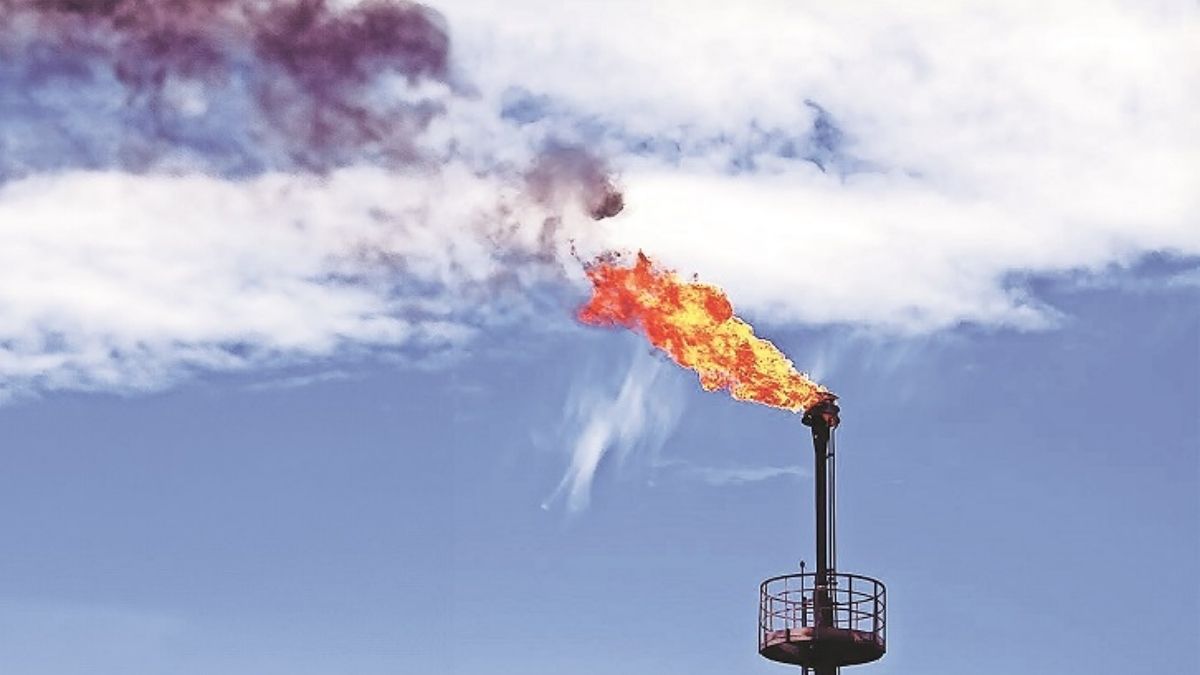
Methane is a gas that warms the planet much more strongly than carbon dioxide.
It comes from places such as cattle farms, rice fields and decomposing waste.
A company called String Bio is trying to use methane instead of letting it escape into the air.
Tiny microbes eat the methane and grow inside tanks.
The company then turns the microbes into protein for animal feed and nutrients for crops.
Experts say this idea could become important, but the products must be tested carefully for safety and quality.
They also want proof that the products can compete economically with soy and fishmeal.
India is working on other ways to reduce methane, although it did not join an international methane-cutting pledge.
String Bio says its technology could help farmers while also reducing climate pollution.

Bengaluru-based String Bio uses methane-eating microbes to produce animal-feed protein and agricultural nutrients.
The company says its technology could turn methane pollution from farms and waste into useful products.
Experts say methane-derived protein shows promise but requires strict safety testing, quality control and commercial validation.
India has methane-reduction programs but did not sign the Global Methane Pledge to cut emissions 30% by 2030.
String Bio says 5% adoption of its rice solution could offset about 30 million tonnes of carbon emissions annually.
- Who
- String Bio, co-founded by Ezhil Subbian and Vinod ML Kumar, along with researchers and agricultural partners.
- What
- The Bengaluru startup is converting methane into single-cell protein for animal feed and bio-nutrients for crops.
- When
- String Bio began this work in 2012; the company says its next milestone is wider commercial use of its products.
- Where
- The company is based in Bengaluru, and its products have been tested by farmers and partners in India and internationally.
- Why
- The effort aims to reduce methane emissions while creating sustainable alternatives for agriculture, feed and materials.
Technology’s Climate Promise
Experts’ Commercial and Safety Cautions
Environmental and agricultural value
Technology’s Climate Promise
String Bio says methane can be transformed into animal protein and crop nutrients, allowing agriculture to improve productivity and soil health while reducing greenhouse-gas emissions.
Experts’ Commercial and Safety Cautions
Experts say the concept is promising, but its wider value depends on evidence from field-level economic comparisons and successful pilot projects.
Readiness for food and feed use
Technology’s Climate Promise
String Bio says its methanotroph-based products are being tested by farmers and partners and that users have reported healthier crops, better yields and improved soil health.
Experts’ Commercial and Safety Cautions
Researchers stress that methane-derived single-cell protein must meet quality standards and be tested for contaminants or endotoxins before broader use.
Policy and market expansion
Technology’s Climate Promise
String Bio calls for incentives across the value chain and harmonised regulations to speed innovation and international market entry.
Experts’ Commercial and Safety Cautions
Experts say commercialisation still requires regulatory screening, economic proof and clearer evidence that the products can compete with traditional protein sources such as soy and fishmeal.
- Company
- String Bio
- Founded
- 2012
- Technology
- Methane-eating microbes grow in fermentation tanks and are processed into useful products.
- Products
- Protein ingredients for animal feed and bio-nutrients intended to support crop yield and soil health.
- Key safety requirement
- Experts say products must meet protein-quality standards and be screened for contaminants and endotoxins.
- International target
- The Global Methane Pledge asks countries to cut methane emissions by 30% by 2030.
- Potential impact claimed
- String Bio says 5% market penetration for its rice solution could offset about 30 million tonnes of carbon emissions annually.