2 weeks ago
Cardano founder launches free tool to remove Anthropic's AI watermarks
Some computer programs that write text now add a secret mark, like a hidden stamp, so people can tell a computer wrote the words.
A company called Anthropic started doing this with its writing program, Claude.
A man named Charles Hoskinson made a free tool that can remove these secret marks.
The mark is not a visible label; it is a hidden code that changes how the program picks words.
Hoskinson's tool can clean off a 'Co-Authored By' tag, fix pictures, and rewrite the words using a different computer program so the mark disappears.
The tool will not use Claude or Gemini to do the rewriting, because that would put the mark right back on.
Hoskinson says the marks could cause problems, like making it unclear who really owns the words.
He worries someone who only checks spelling with Claude could later be told their writing was made by a computer.
Hoskinson wants people to ask an important question: who owns a sentence after a computer program helps write it?

Charles Hoskinson, founder of Cardano, released a free open-source tool claiming to remove Anthropic's invisible watermarks from Claude-generated content.
Anthropic began marking Claude text at the model level to address the European Union's AI Act transparency code, which took effect on August 2.
The tool removes the 'Co-Authored By' tag, strips C2PA credentials from images via re-encoding, and rewrites text through a non-Claude model in a 'non-origin rewrite.'
Hoskinson warns the watermark and co-author line could affect content ownership, noting false positives such as human-written copy proofread with Claude being flagged as AI-generated.
The tool is licensed under Apache 2.0 and refuses to route rewrites through Claude or Gemini, because doing so would add the watermark back.
- Who
- Charles Hoskinson, founder of the Cardano blockchain, created the removal tool; Anthropic introduced the AI watermarking.
- What
- A free, Apache 2.0-licensed tool that removes Anthropic's invisible AI watermarks from Claude-generated text and images.
- Where
- The tool was published as an open-source code repository; the watermarking rollout targets compliance with European Union regulations.
- When
- Anthropic began rolling out model-level watermarking days before the tool's release, after the EU AI Act transparency code took effect on August 2.
- Why
- To let users strip AI watermarks and to raise questions about AI attribution, ownership, and the legal meaning of Claude's co-author tags.
Watermarking proponents
Watermarking critics
AI detection and transparency
Watermarking proponents
Watermarking helps identify AI-generated content and comply with the EU AI Act transparency code.
Watermarking critics
Hoskinson warns of false positives, such as human-written copy proofread with Claude being flagged as AI-generated months later.
Content ownership
Watermarking proponents
Co-author tags give clear attribution that AI was involved in creating text.
Watermarking critics
Hoskinson argues the co-authorship language could be read as a requirement to claim ownership, and the tag could later be used as evidence of joint authorship.
Watermark removal
Watermarking proponents
Watermarks should stay in place so AI content can be reliably detected.
Watermarking critics
Users should be free to remove watermarks with open-source tools, and the Apache 2.0 license prevents Anthropic from patenting away such tools.
Key facts
- Tool
- Free AI watermark removal tool for Claude content
- Developer
- Charles Hoskinson, Cardano founder
- Target
- Anthropic's model-level watermarks on Claude text and images
- License
- Apache 2.0 (permissive open source, includes patent license)
- EU AI Act transparency code effective date
- August 2
- Watermark mechanism
- A secret key that influences token sampling, not a hidden character string
- Tool modes
- Clean, humanize, orchestrate
- Limitation
- Rewriting via Claude or Gemini would re-add the watermark
Sources
Related news
Developers Race to Remove Anthropic’s Invisible AI Watermarks
Anthropic adds invisible watermarks to Claude AI-generated text
Anthropic Adds Invisible Watermarks to Claude Text for EU Rules
Anthropic adds invisible watermark to Claude AI-generated text
Anthropic Adds Invisible Watermark to Claude Text Worldwide

Anthropic Explains New Watermarking for Claude and Its Limits
Alphabet Shares Slide as AI Talent Departures Fuel Investor Concerns

Human-Like AI Chatbots May Influence Personal Identity, Study Finds

AI Chatbots Improve Suicide-Risk Responses, Yet Safety Gaps Remain
Google’s Pixel 11 Pro Fold Makes Foldables Everyday Phones
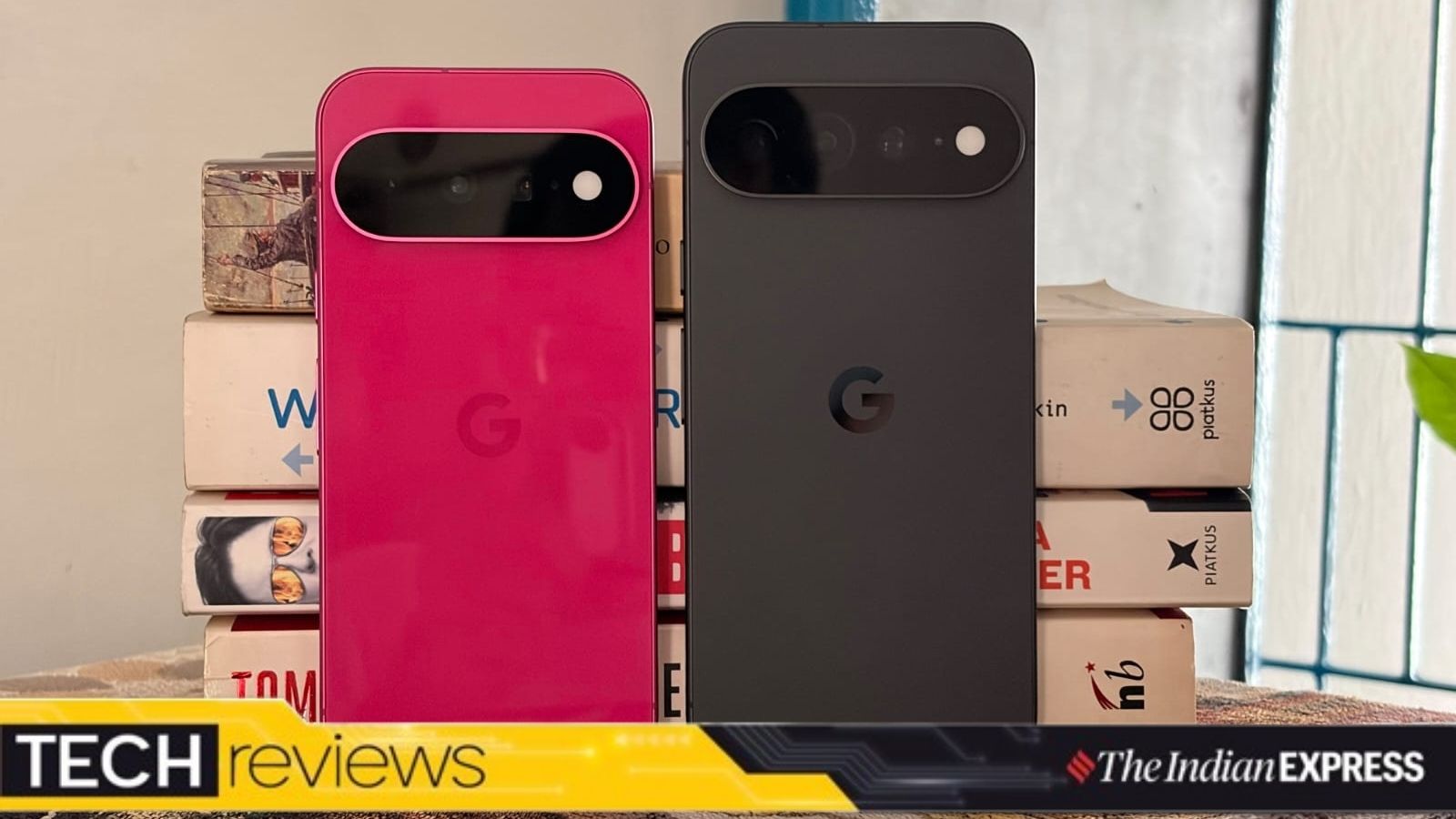
Google Pixel 11 Reviews Put Software and AI Ahead