2 hrs ago
Jammu and Kashmir Notifies Compressed Bio-Gas Policy 2026
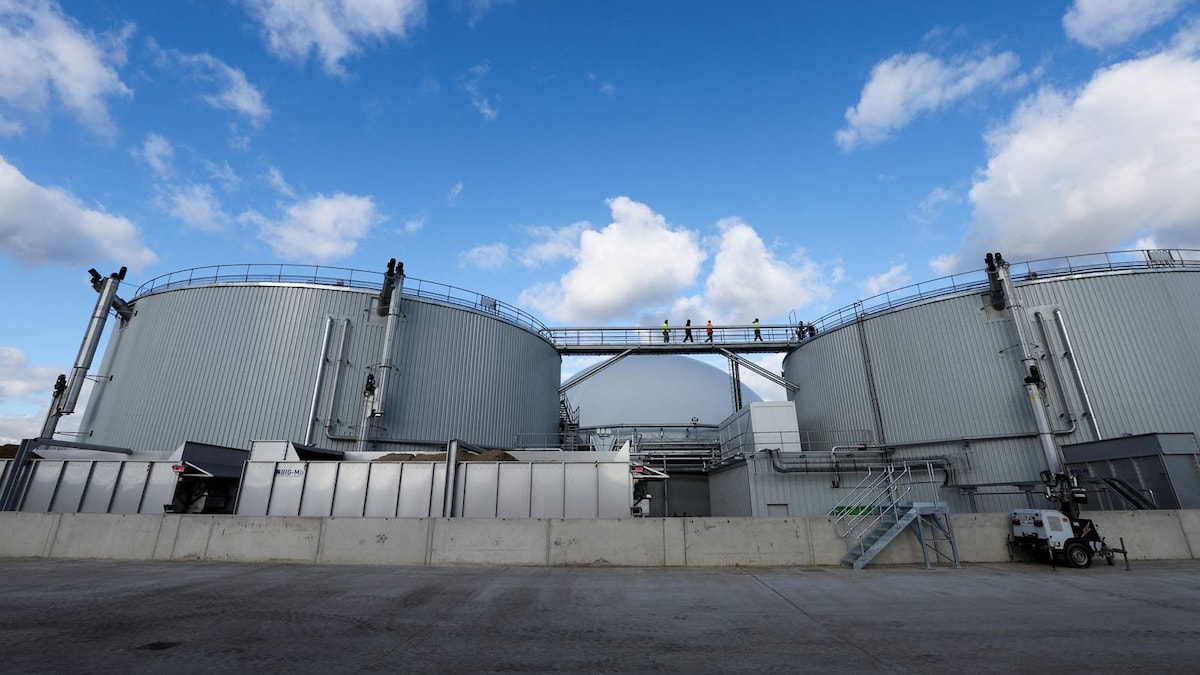
Jammu and Kashmir has introduced a new plan to turn organic waste into useful products.
These products include clean fuel for vehicles and bio-fertiliser for farms.
The waste can come from cattle dung, apple leftovers, household waste, pine needles and crop remains.
The government will provide financial help to companies that build these plants.
It will also offer land, tax benefits and support for some workers and loans.
Some permissions may be approved automatically if officials do not act within 60 days.
The plan aims to help farmers, create rural jobs and improve waste management.
It will remain in effect until 2032.

The Jammu and Kashmir government has notified its Compressed Bio-Gas Policy 2026.
The policy supports converting cattle dung, apple pomace, municipal waste, pine needles and crop residues into fuel and bio-fertiliser.
Eligible projects can receive capital support of Rs 0.50 crore per TPD, capped at Rs 10 crore.
Incentives include government land at nominal lease rates, stamp-duty exemption, tax reimbursement, manpower support and interest subvention.
The policy targets 10,000 farmers receiving bio-manure and about 2,000 direct rural jobs by 2030.
- Who
- The Jammu and Kashmir government, following approval by the Council of Ministers chaired by Chief Minister Omar Abdullah.
- What
- It notified the Jammu and Kashmir Compressed Bio-Gas Policy 2026.
- Where
- Jammu and Kashmir.
- When
- The policy is valid until 2032 and targets job creation by 2030.
- Why
- To convert organic waste into clean fuel and bio-fertiliser while supporting waste management, energy security, rural employment and sustainable agriculture.
Key facts
- Capital support
- Rs 0.50 crore per TPD, capped at Rs 10 crore per project.
- Land incentive
- Government land at a nominal lease rate of Rs 1 per square metre.
- Stamp duty
- 100 per cent exemption.
- Approval timeline
- Non-statutory permissions can receive deemed approval after 60 days through the Single Window Portal.
- Tax incentive
- 100 per cent SGST reimbursement for the first five years of operation.
- Employment support
- A manpower subsidy of Rs 3,000 per month per local unskilled worker for two years.
- Policy targets
- Bio-manure distribution to 10,000 farmers and around 2,000 direct rural jobs by 2030.
Sources
Related news

India Rolls Out GOBARdhan Rules With CBG Price Support

Reliance Plans ₹1 Lakh Crore CBG Investment in Andhra Pradesh

Gadkari Highlights India’s Waste-to-Fuel and Clean Transport Push

Cyberabad Municipal Corporation Plans Green Waste-To-Fuel Bio-Briquette Plant

India’s ₹37,500-crore Coal Gasification Scheme Draws No Applications
Karnataka Clears Five-Year Marine Biotechnology Policy to Expand Blue Economy

Omar Abdullah Government Approves ₹15 Crore Vaishno Devi Route Restoration
Journalist Reflects on Charged Autumn J&K Assembly Session

Congress Seeks Two Cabinet Berths Amid J&K Alliance Tensions

Waheed Para files privilege motion over J&K statehood debate