

Archive · 8 Jun 2025
Melting Arctic Ice Spurs Shipping Activity and Environmental Threats
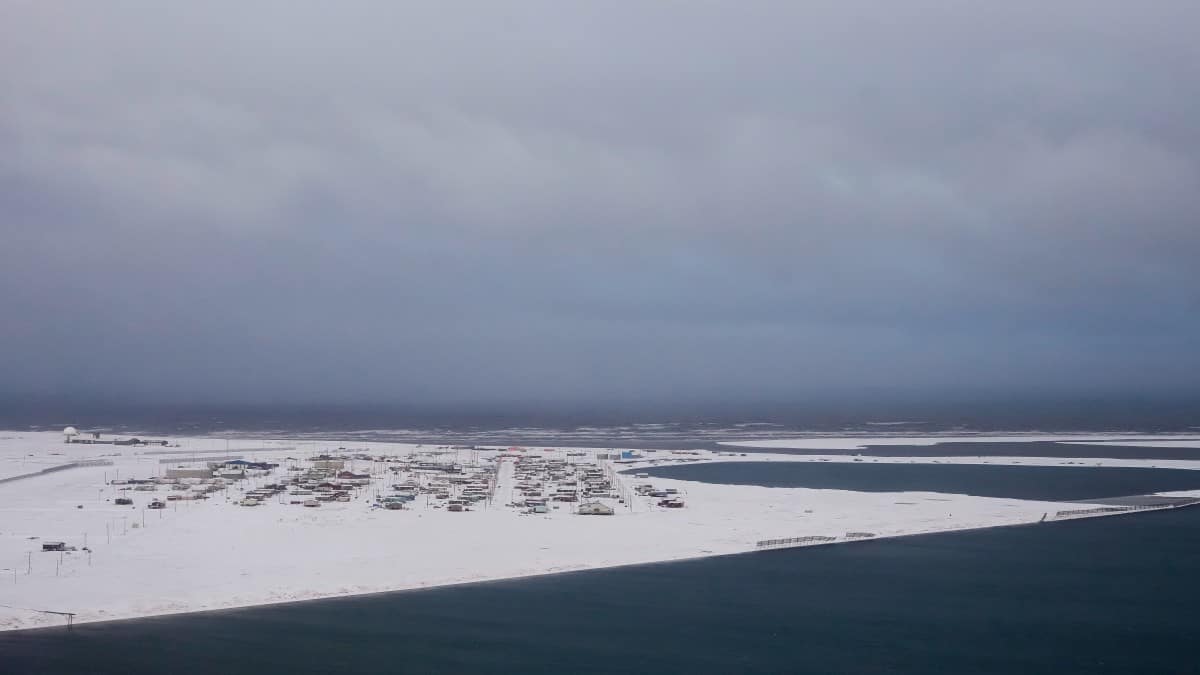
Arctic ice melting is opening up new shipping routes, but it's also making the planet warmer.
Because of climate change, the Arctic is warming much faster than the rest of the world, causing sea ice to shrink.
This creates new, shorter paths for ships, increasing traffic and emissions.
More ships release black carbon, which makes the ice melt faster.
This melting also harms animals like polar bears and creates noise pollution, affecting wildlife.
While shorter routes could save some fuel, the environmental damage might be greater.
The situation is creating warming across the globe.
Scientists and environmental groups are calling for action.

Arctic sea ice melt is opening new shipping routes, increasing traffic and environmental risks.
The Arctic is warming much faster than the rest of the planet, impacting ice cover.
Increased shipping leads to more emissions, including black carbon, which accelerates ice melt.
Shipping activity in the Arctic has significantly increased in recent years.
Environmental groups are urging governments to take stronger action against pollutants.
- Who
- Ships and environmental scientists are involved.
- What
- Arctic sea ice melt opens new shipping routes, raising environmental concerns.
- When
- Shipping activity has surged in the last decade. Since 1979 Arctic has been warming fast.
- Where
- The Arctic region, including routes like the Northern Sea Route.
- Why
- Warming in the Arctic due to climate change and increased shipping emissions.
Environmental Concerns
Economic Benefits vs. Environmental Costs
Trade-off between Economic Savings and Environmental Damage
Environmental Concerns
Increased shipping contributes to emissions, causing environmental damage that might outweigh the benefits.
Economic Benefits vs. Environmental Costs
Shorter trade routes could offer carbon savings, but requires strict regulations.
- Arctic Warming Rate
- Four times faster since 1979
- Northern Sea Route Length
- 9,000 kilometers
- Increase in Distance Traveled (2013-2023)
- 111%
- Increase in Safe Navigation Zone (1979-2018)
- 35%
- Full compliance date for Arctic heavy fuel oil ban
- 2029
- Polar bear habitat dependence on sea ice
- Over 96%