Archive · 2 Oct 2025
Gandhi's Vision for India's Constitution: Renewing Democracy
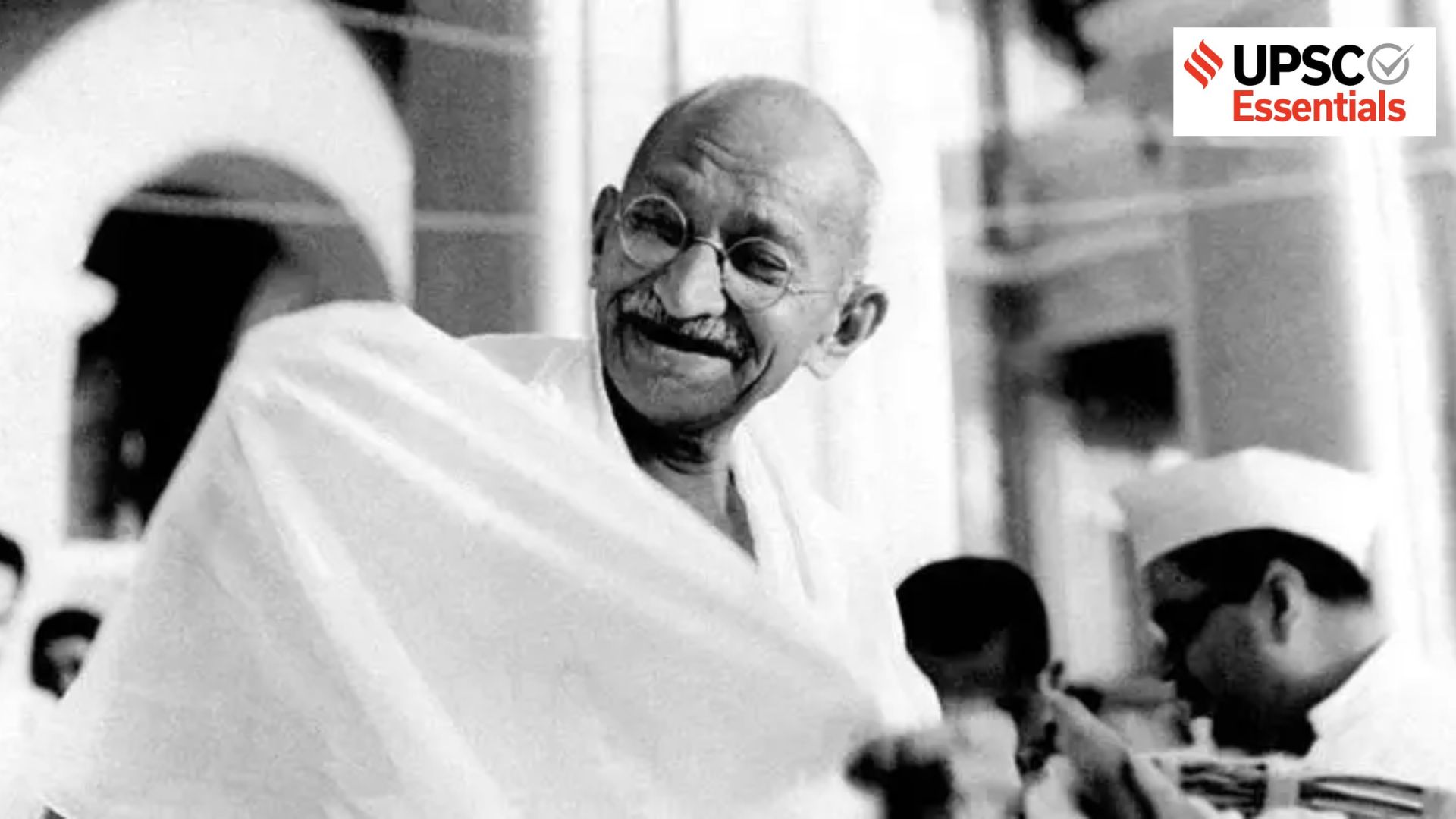
Gandhi believed India's freedom needed more than just new laws.
He wanted a country built on Swaraj (self-rule) and Ahimsa (nonviolence).
Gandhi preferred self-governing villages over centralized systems.
However, leaders like Nehru and Ambedkar favored industrial progress and individual rights over Gandhi's ideas.
Despite disagreements, Gandhi’s core values of morality remain relevant for modern India and its citizens.

Gandhi’s ideals of Swaraj and Ahimsa are seen as crucial for India’s democratic renewal.
Gandhi favored village republics, contrasting with Nehru and Ambedkar’s vision of modernity.
Gandhi's ideas clashed with the emphasis on individual rights and industrial modernity.
Despite setbacks, Gandhi's ideals of citizen morality remain important for India.
Gandhi's concepts of self-governance are still relevant for India’s future.
- Who
- Mahatma Gandhi and Indian leaders
- What
- Gandhi's ideals and their influence on India's Constitution
- When
- Gandhi's time and the decades since
- Where
- India
- Why
- To offer guidance and renew India's democratic system through citizen morality.
Gandhi's Perspective
Nehru & Ambedkar's Perspective
Village vs. Individual
Gandhi's Perspective
Emphasized self-governing villages as the foundation for Swaraj.
Nehru & Ambedkar's Perspective
Prioritized the individual and industrial progress over the village-centric model.
Modernity vs. Tradition
Gandhi's Perspective
Viewed individual and village swaraj as core elements.
Nehru & Ambedkar's Perspective
Favored parliamentary democracy and industrial modernization.
- Figure
- Mahatma Gandhi
- Key Ideals
- Swaraj, Ahimsa
- Influential People
- Jawaharlal Nehru, B.R. Ambedkar
- Concept
- Village Republics
- Key Text
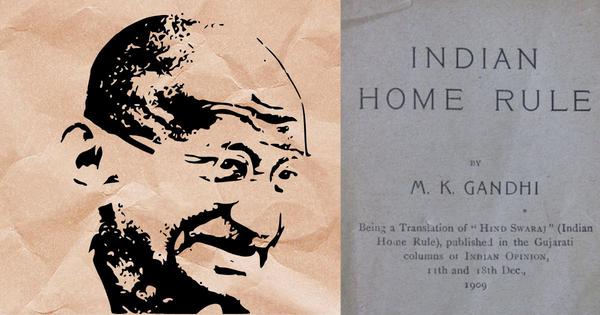
- Hind Swaraj (1909)