

Archive · 2 Aug 2026
Chhattisgarh Plans Buffalo Translocation to Halt Extinction
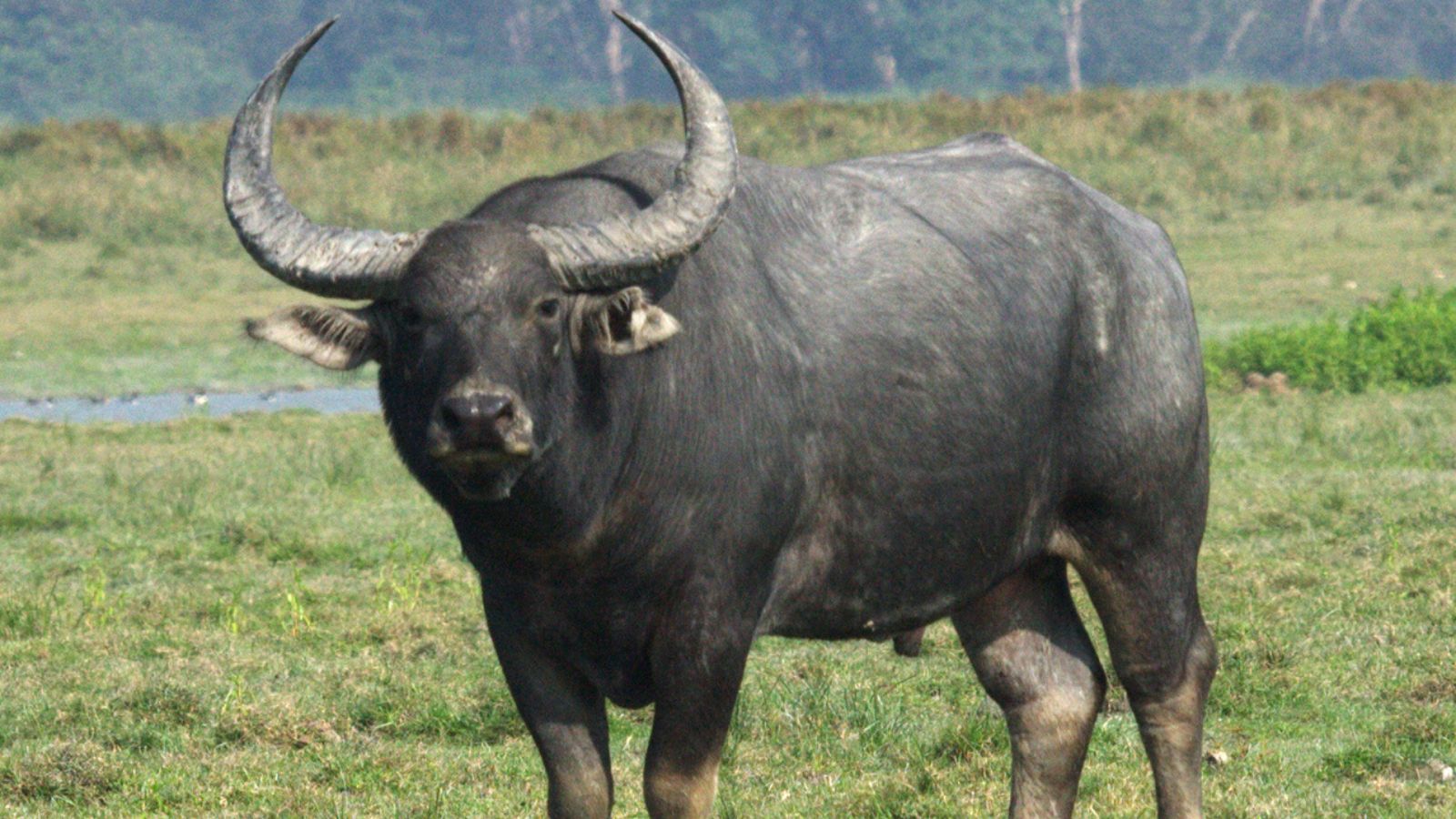
The wild buffalo is a big animal that lives in India.
In Chhattisgarh, only a few of them are left, so the forest department wants to bring more from Assam.
They will put the buffaloes in special enclosures and give them radio tags to watch them.
Villages have agreed to let the buffaloes live there.
If this plan doesn’t work, they might try artificial insemination to help the buffaloes have babies.
The goal is to keep the buffaloes alive for future generations.

Chhattisgarh Forest Department plans to translocate wild buffaloes from Assam to boost the state’s dwindling population.
The state’s last wild buffalo herd is reduced to 12‑16 individuals, prompting urgent conservation measures.
Six buffaloes have already been moved to Barnawapara Wildlife Sanctuary, increasing that reserve’s population to 11.
Translocation will involve radio‑collaring, village agreements, and a five‑point action plan covering habitat restoration and anti‑poaching.
If translocation fails, officials consider artificial insemination to support the species.
- Who
- Chhattisgarh Forest Department officials
- What
- Translocate wild buffaloes from Assam to boost the state’s dwindling population
- When
- Plan to be sent to the Centre soon; translocation already occurred in 2020 and 2023
- Where
- Chhattisgarh, Pamed Wildlife Sanctuary, Udanti Sitanadi Tiger Reserve, Indravati Tiger Reserve, Barnawapara Wildlife Sanctuary
- Why
- To prevent extinction of the last wild buffalo herd in Central India
- Wild buffalo population in Chhattisgarh
- 12‑16 individuals
- Translocation source
- Assam
- Target reserves
- Pamed Wildlife Sanctuary, Udanti Sitanadi Tiger Reserve, Indravati Tiger Reserve
- Planned action
- Translocation, radio‑collaring, anti‑poaching, habitat restoration
- Alternative method
- Artificial insemination