

Archive · 14 Jun 2025
Bird Strikes Pose Continuing Threat to Aviation Safety
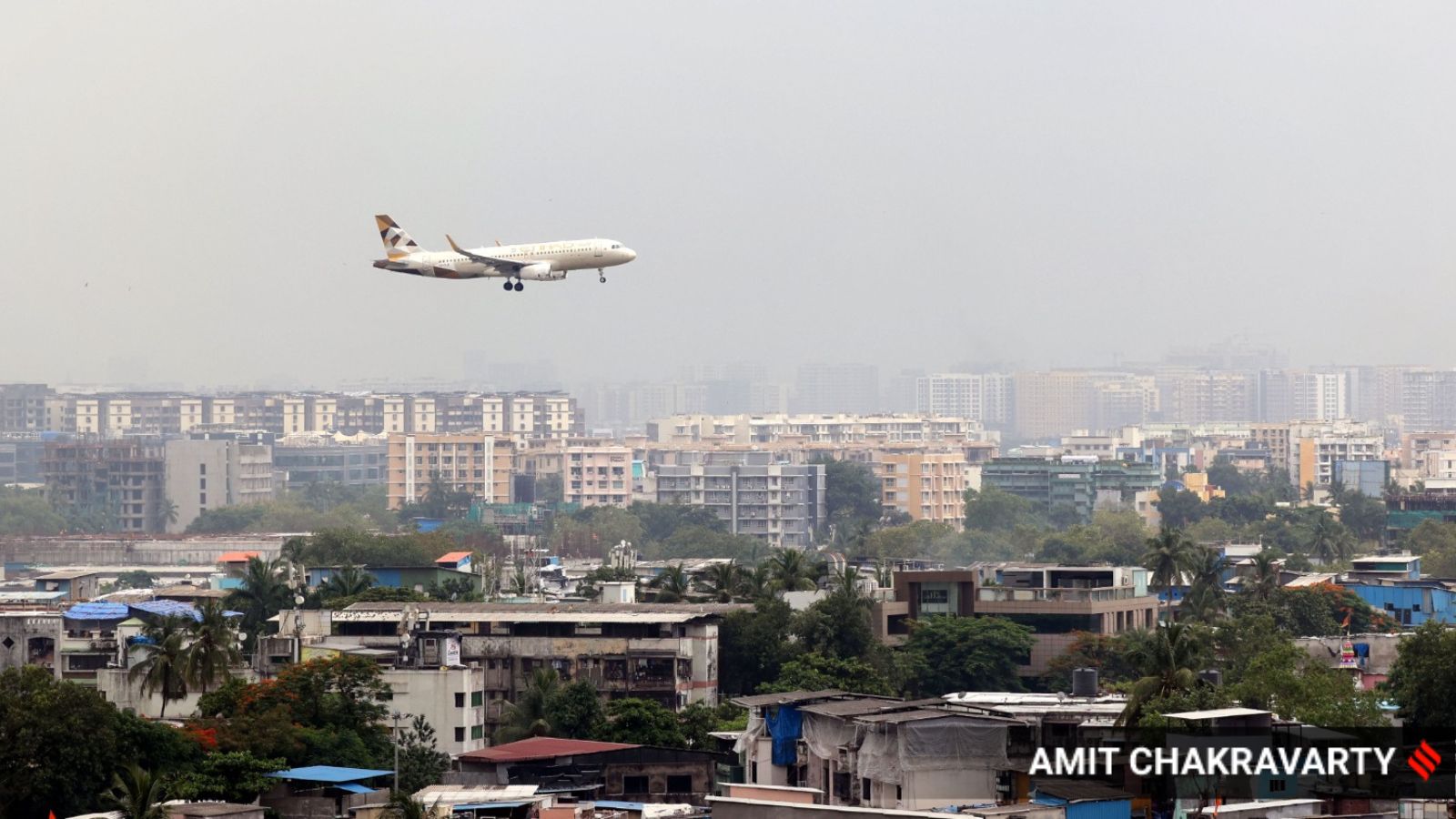
Birds sometimes get in the way of airplanes, which can be very dangerous.
These "bird strikes" happen most often when the plane is taking off or landing.
Birds can damage the plane's engines and cause crashes.
Things that attract birds, like open areas and garbage dumps near airports, make the problem worse.
Airports try to scare birds away, but it's not always enough.
Experts say we need to be more careful about where we build airports and how we manage the areas around them.

Bird strikes are a significant safety concern for aviation, occurring during takeoff/landing.
Bird ingestion can damage engines and cause fatal crashes, as exemplified by past incidents.
Attracting factors include open habitats near runways and civic issues like garbage dumps.
Bird control measures exist at airports, but are insufficient to completely prevent strikes.
Experts emphasize urgent need for stricter environmental assessments and preventive actions.
- Who
- Aviation authorities, environmental agencies, and civic administrators.
- What
- Bird strikes pose a serious threat to aircraft safety.
- When
- Most bird strikes occur during takeoff/landing or below 3,000 feet.
- Where
- Airports worldwide; examples cited include New York, India, and South Korea.
- Why
- To identify and mitigate risks of bird strikes, ensuring safety of air travel.
Airport Development vs. Bird Habitats
Bird habitats
Impact of airport locations
Airport Development vs. Bird Habitats
Airports need to be built, but this encroaches on bird habitats.
Bird habitats
Bird habitats are being destroyed, leading to increase in bird population near airports.
- Cause of Concern
- Bird strikes
- Factors that attract birds
- Garbage, open habitats, grass
- Mitigation measures
- Bird control staff at airports
- Expert Opinions
- BNHS, Dr. Kishor Rithe, Dr. Sujit Narwade
- Past Incidents
- US Airways Flight 1549, Jeju Air

