Archive · 3 Sep 2026
Leipzig Drone Incident Triggers German Measures and EU Pressure
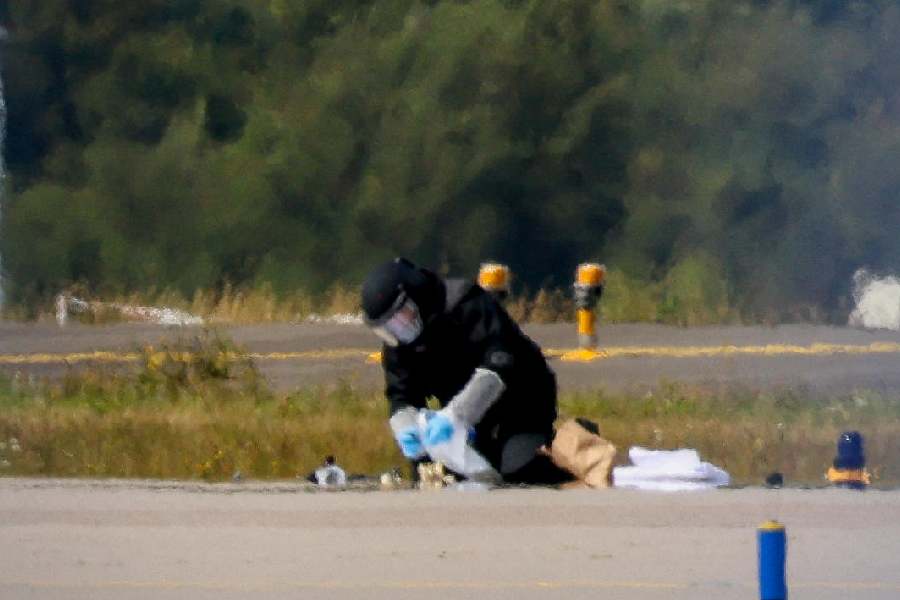
Germany says Russia was behind an attempted drone attack at Leipzig/Halle Airport on August 4.
The drone carried explosives, but they did not go off because the detonator apparently failed.
Another drone may have hit a cargo plane, and a third was later found near the airport.
Investigators reportedly identified two suspects with Russian-linked passports.
European leaders say this is part of a growing pattern of dangerous incidents.
They want to protect airports, power systems and other important places more carefully.
Germany closed a Russian consulate and ended an agreement involving a Russian cultural centre.
Russia denies responsibility and says Germany has not shown proof.
Moscow says it will respond to Germany’s actions, while the EU and NATO plan stronger pressure on Russia.

Germany said investigations linked the failed August 4 drone attack at Leipzig/Halle Airport to Russian hybrid operations.
A drone carrying explosives was found near Ukrainian cargo aircraft; its detonator apparently failed, while another drone may have struck a plane.
Authorities reportedly found a third drone 10 days later and identified two suspects with Belarusian, Latvian and Russian connections.
Berlin ordered the closure of Russia’s consulate in Bonn and ended the Russian House operating agreement in Berlin.
EU and NATO leaders called the incident a new escalation, while Russia rejected the accusation and promised a reciprocal response.
- Who
- The German government blamed Russia; EU and NATO leaders supported Germany, while Russian officials rejected the accusation.
- What
- An attempted drone attack at Leipzig/Halle Airport was attributed by Germany to Russia, prompting diplomatic and cultural measures.
- When
- The incident occurred on August 4; Germany announced its findings and measures on Tuesday, followed by European statements on Wednesday.
- Where
- Leipzig/Halle Airport in Germany; Germany’s response affects Russia’s consulate in Bonn and Russian House in Berlin.
- Why
- Germany said the drone’s components, explosives and methods matched Russian hybrid operations; European leaders said the incident reflected a broader escalation.
German and European position
Russian position
Responsibility for the incident
German and European position
Germany said police investigations, intelligence findings and the drone’s configuration, components, explosives and detonator linked the operation to Russian hybrid methods. EU officials described it as an attack by Russian operatives.
Russian position
Russia rejected the accusation as unfounded, said Berlin had offered no evidence, and Vladimir Putin accused Germany of planting evidence to blame Moscow.
Meaning of the incident
German and European position
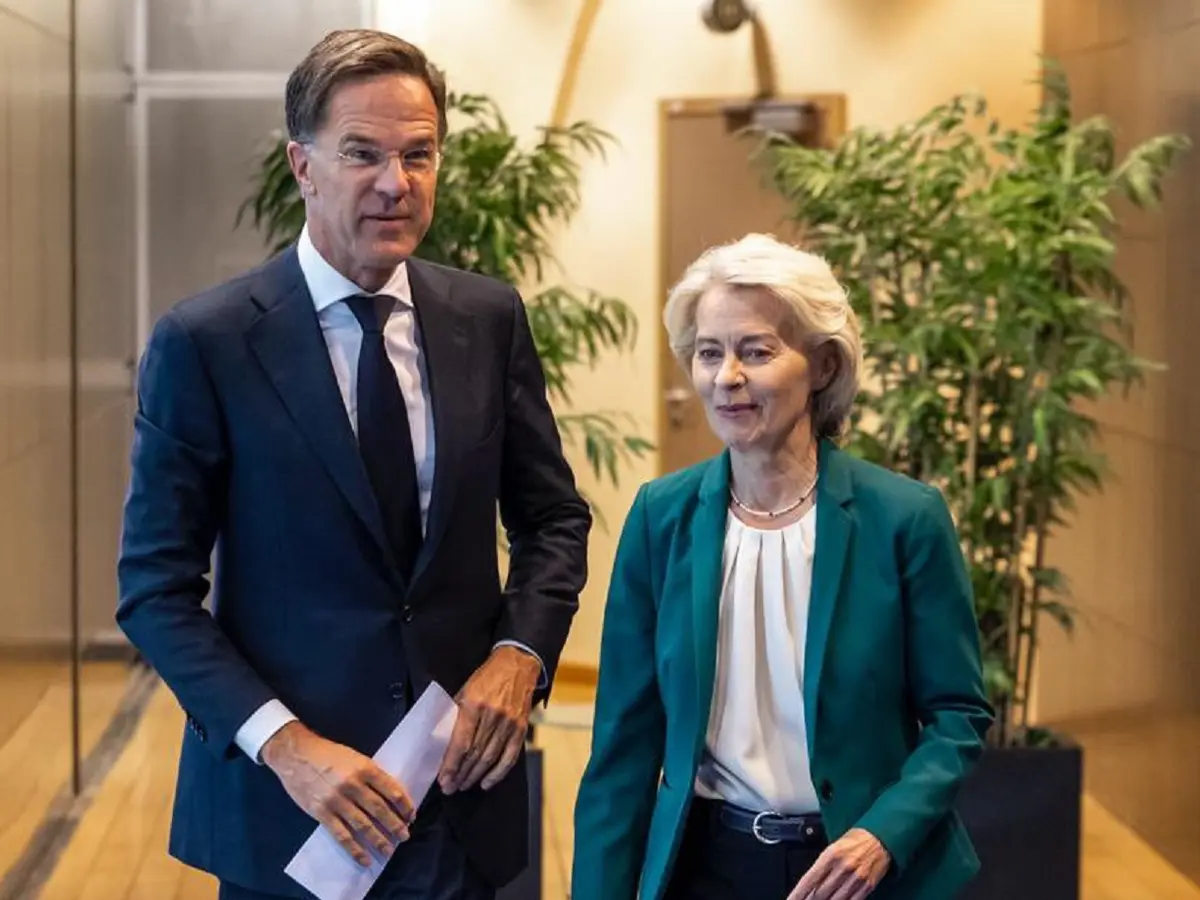
Ursula von der Leyen and Mark Rutte called Leipzig a new escalation and part of a broader pattern of increasingly dangerous Russian activity on European and NATO territory.
Russian position
Alexander Grushko accused Berlin of choosing a path of escalation, while Putin called Germany’s measures a serious mistake that harmed German interests.
Appropriate response
German and European position
Germany imposed diplomatic and cultural measures, while the EU and NATO support stronger sanctions, tighter enforcement and improved protection of critical infrastructure.
Russian position
Moscow has threatened to respond in mirror-image fashion and said it is giving diplomacy a chance, though Grushko did not rule out a possible break in relations.
- Incident date
- August 4
- Location
- Leipzig/Halle Airport, Germany
- Explosive device
- A drone carrying explosives was found near Ukrainian cargo aircraft, but its detonator apparently malfunctioned.
- Other drones
- Investigators suspect a second drone collided with a cargo aircraft, and a third was reportedly found 10 days later.
- Reported suspects
- Two suspects were reportedly identified: a Belarusian with a Russian passport and another person with Latvian and Russian passports.
- German response
- Berlin ordered the closure of the Russian consulate in Bonn and terminated the Russian House operating agreement in Berlin.
- European response
- EU and NATO leaders said they would increase pressure on Russia, including possible further sanctions and stronger protection for critical infrastructure.
- Russian response
- The Kremlin rejected the accusations, said Germany had provided no evidence, and promised a mirror-image response.