

Archive · 22 Jul 2026
Choosing the Best Drinking Water in Indian Households
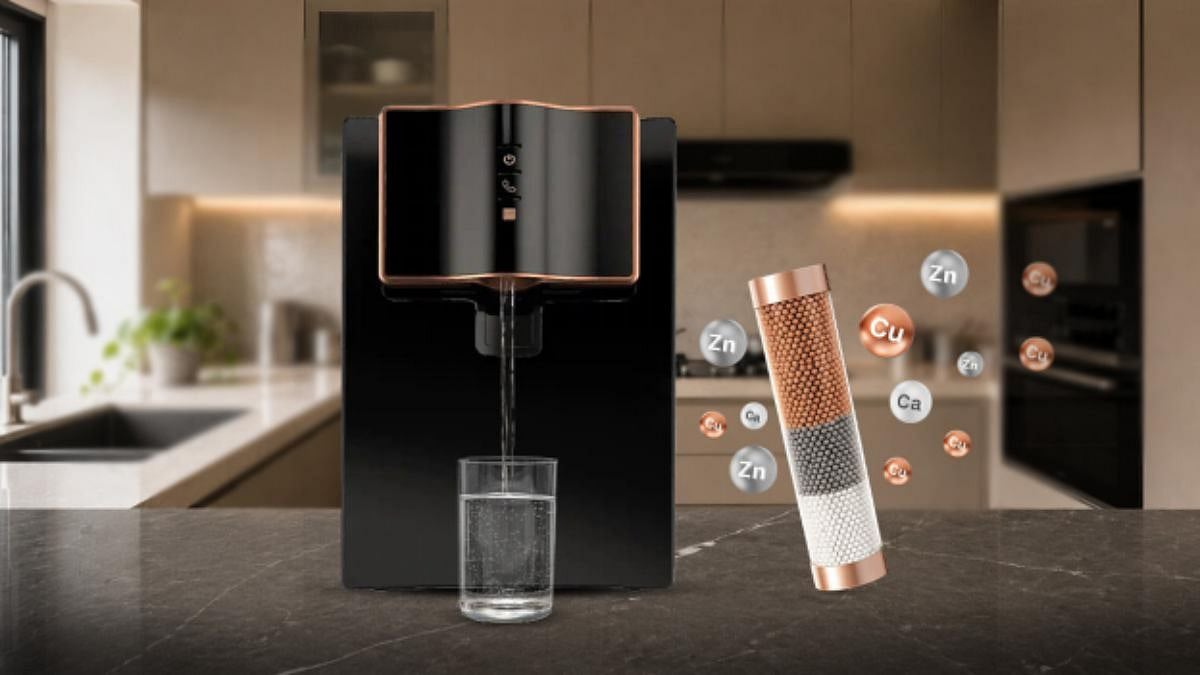
In India, drinking water comes from various sources like municipal supply, borewells, tankers, and packaged water, each with different contamination profiles.
Total Dissolved Solids (TDS) is a key indicator of water quality, with an ideal range of 150–300 ppm.
The Bureau of Indian Standards (BIS) sets guidelines for acceptable TDS levels.
Different purification methods like boiling, UV purification, RO purification, and alkaline water purifiers have their own benefits and limitations.
Choosing the right water purifier depends on the quality of the source water.
Testing water before selecting a purification system ensures a consistent supply of clean drinking water.

Drinking water in India comes from multiple sources with different contamination profiles.
TDS is a key indicator of water quality, with an ideal range of 150–300 ppm.
BIS guidelines set acceptable TDS limits for drinking water.
Different purification methods like boiling, UV, RO, and alkaline water purifiers have specific benefits and limitations.
Choosing the right water purifier depends on the quality of the source water.
- Who
- Indian households
- What
- Choosing the best drinking water based on source quality and purification methods
- When
- Ongoing concern for health and safety
- Where
- India
- Why
- To ensure clean and safe drinking water
RO Purification Advocates
UV Purification Advocates
Effectiveness Against Contaminants
RO Purification Advocates
RO purifiers are highly effective in removing dissolved salts, heavy metals, fluoride, nitrates, and other chemical contaminants, making them ideal for water with high TDS levels.
UV Purification Advocates
UV purification is effective against bacteria, viruses, and other microorganisms without altering the mineral content, making it suitable for water with low TDS levels.
Mineral Retention
RO Purification Advocates
RO purifiers can remove essential minerals along with contaminants, potentially requiring additional mineral infusion technologies.
UV Purification Advocates
UV purification retains the natural minerals in water, making it a better option for maintaining mineral balance.
- TDS Range
- 150–300 ppm
- BIS TDS Limit
- 500 mg/L
- Maximum Permissible TDS
- 2,000 mg/L (in areas with no alternative source)
- Boiling Effectiveness
- Kills bacteria and viruses but does not reduce TDS
- UV Purification
- Effective for TDS below 300 ppm
- RO Purification
- Effective for TDS above 500 ppm
- Active Copper and Zinc Technology
- Infuses essential minerals for immune function and cellular metabolism
- Alkaline Water Purifiers
- Increases pH to 8–9.5