

Archive · 19 Aug 2025
AI in Drug Discovery: Can Algorithms Replace Scientists?
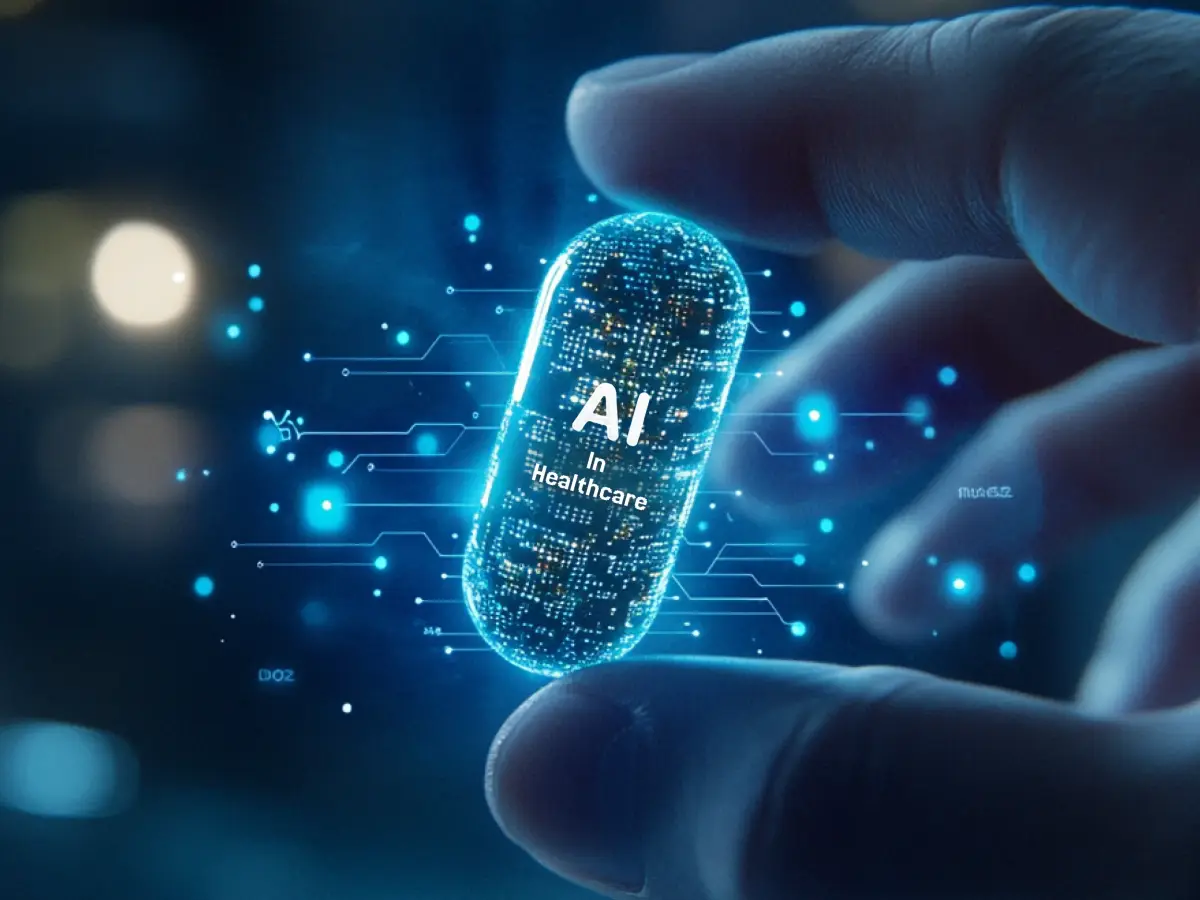
Imagine computers that can help doctors create new medicines!
AI is like a super-smart assistant that can quickly scan lots of information about diseases and find potential drugs.
It can even design new medicines from scratch, which saves time and money.
AI-designed drugs have shown better success in early tests than older methods.
However, human scientists are still needed.
AI can make mistakes or miss important things, so scientists help guide the process and make sure everything is safe and fair.
It's a team effort to create the best medicines possible!

AI is accelerating drug discovery by identifying potential drug molecules faster and cheaper.
AI analyzes large datasets to find promising drug targets and design new molecules.
AI-designed drugs have a higher success rate in early clinical trials compared to traditional methods.
AI can create new molecules from scratch, a process called de novo drug design.
Scientists remain essential due to AI's limitations in intuition, ethics, and safety concerns.
- Who
- AI and scientists are involved in drug discovery.
- What
- AI is being used to accelerate and improve drug discovery.
- When
- The AI market in drug discovery was at US$1.5 billion in 2023.
- Where
- N/A
- Why
- To discover new medicines faster and more efficiently.
AI's Role
Scientists' Role
Speed and Efficiency vs. Expertise and Ethics
AI's Role
AI accelerates drug discovery by quickly analyzing data.
Scientists' Role
Scientists provide crucial oversight due to AI's limitations in understanding disease biology and ethical concerns.
- AI Drug Discovery Market (2023)
- US$1.5 billion
- Expected AI Market Growth (by 2030)
- US$20.3 billion
- AI Market Growth Rate
- Nearly 30% annually
- Success Rate of AI Drugs (Phase I trials)
- 80-90%
- Example: MIT AI antibiotic
- Effective against MRSA in animals
- Eli Lilly-Superluminal deal
- Up to US$1.3 billion