0 months ago
RBI to Resume Urban Co-operative Bank Licensing After Pause
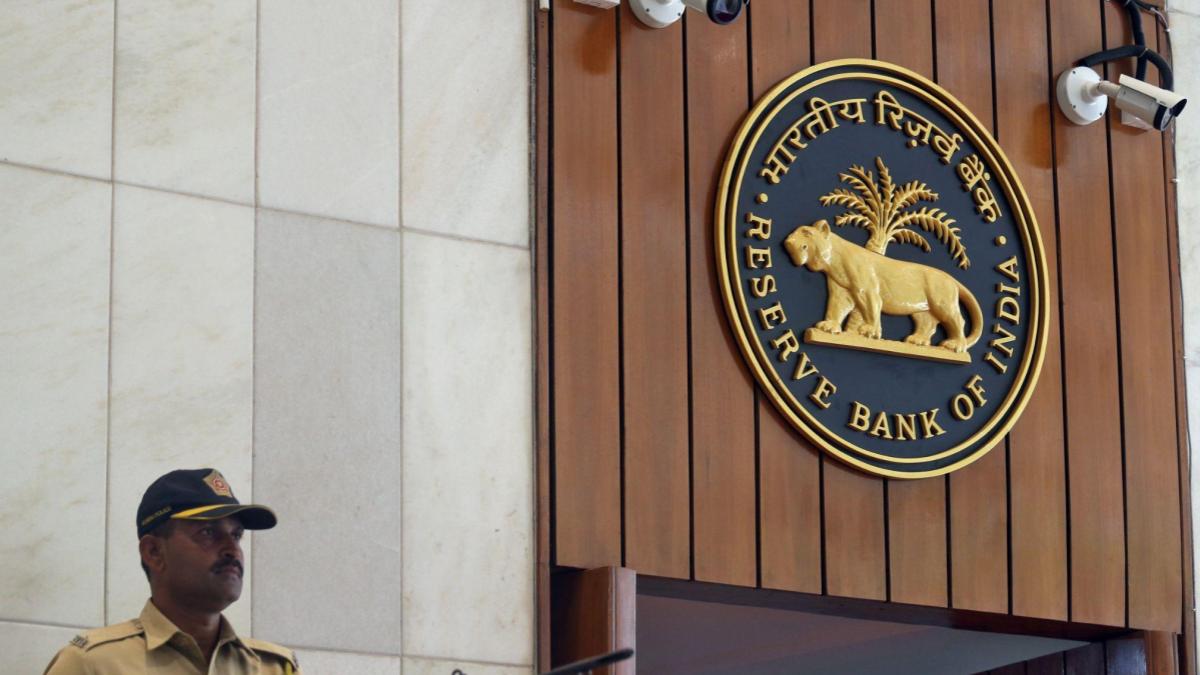
The Reserve Bank of India, which is the central bank of India, has decided to start giving out new banking licenses again to urban co-operative banks.
These are banks owned and run by groups of people who work together.
The RBI had stopped giving these licenses in June 2004 because many of these banks were in financial trouble.
Over the years, the banks became stronger because weaker ones closed down or merged with others.
Now the RBI thinks the sector is healthy enough to accept new banks.
To get a license, a society must have been operating for at least ten years.
It must also have a lot of money deposited, at least 10,000 crore rupees.
The bank leaders must have a good record and no one can own too much of the bank.
The RBI says it will be very careful and only give licenses to the best applicants.
It also plans to review rules for rural co-operative banks about lending risks.

The RBI has decided to reopen licensing for urban co-operative banks (UCBs), ending a pause on fresh licences that began in June 2004.
Eligible applicants are credit co-operative societies operating for at least 10 years with deposits of at least Rs 10,000 crore and net worth of at least Rs 300 crore.
Applicants must be registered under the Multi-State Co-operative Societies Act, 2002 and show a CRAR of at least 12% with net NPA ratio not exceeding 3%.
RBI will evaluate the board's 'fit and proper' status, requiring strong credentials, integrity, no loan defaults, and no shareholding above 5% per member.
The RBI said licences will be issued on a very selective basis and also announced a review of prudential norms on concentration risk for rural co-operative banks.
- Who
- The Reserve Bank of India (RBI)
- What
- Decided to reopen licensing for urban co-operative banks (UCBs) after a two-decade pause and released draft guidelines for the same
- Where
- India
- When
- Framework proposed on Wednesday, following a discussion paper floated on January 13
- Why
- Due to the sector's turnaround aided by consolidation and closure of weaker entities, which improved financial conditions
Cautious Regulation
Sector Growth
Licence selectivity
Cautious Regulation
Licences should be issued on a very selective basis given banking is a highly leveraged business, requiring impeccable track records and best governance standards.
Sector Growth
The reopening of licensing after two decades, with clearly defined eligibility criteria, offers renewed growth opportunities for the urban co-operative banking sector.
Concentration risk review
Cautious Regulation
Prudential norms on concentration risk need review to protect rural co-operative banks from risks of concentrated lending.
Sector Growth
The review aims to balance prudential risks while developing a vibrant co-operative sector, potentially easing lending constraints.
Key facts
- Regulator
- Reserve Bank of India (RBI)
- Licensing ban
- Paused since June 2004 due to deteriorating financial conditions
- Eligibility
- Credit co-operative societies operational for at least 10 years
- Minimum deposits
- Rs 10,000 crore
- Minimum net worth
- Rs 300 crore
- Regulatory requirement
- CRAR of at least 12% and net NPA ratio not exceeding 3%
- Cap on shareholding
- No board member to hold more than 5% shareholding
- Other measure
- RBI to review prudential norms on concentration risk of rural co-operative banks
Quotes

Reserve Bank of India
Central banking authority of India
“Licences shall be issued on a very selective basis to those co‑operative societies that conform to the stipulated requirements, as well as any other requirements the RBI may deem necessary to be fulfilled, have an impeccable track record, and are likely to conform to the best standards of governance, customer service, and efficiency.”
 financialexpress.com
Sources
Related news

RBI to Issue Draft On-Tap Licensing Rules for Urban Cooperative Banks

RBI Resumes Urban Cooperative Bank Licensing After Two Decades

Shah urges urban cooperative banks to see RBI differently

RBI Calls for Stronger Governance in Cooperative Banks

Cooperative banks demand autonomy, challenge RBI restrictions and curbs

IFSC Banking Units Disburse $52.82 Billion Against FCNR(B) Deposits

India’s Banking AI Push Revives Old Technology Job Debate

Stocks to Watch Thursday as Key Corporate Developments Drive Focus

Banks Mobilise Record $127.226 Billion Through FCNR(B) Deposit Drive