

Archive · 23 Jun 2025
Ancient Trees Thrive at Sacred Sites in China, Study Finds
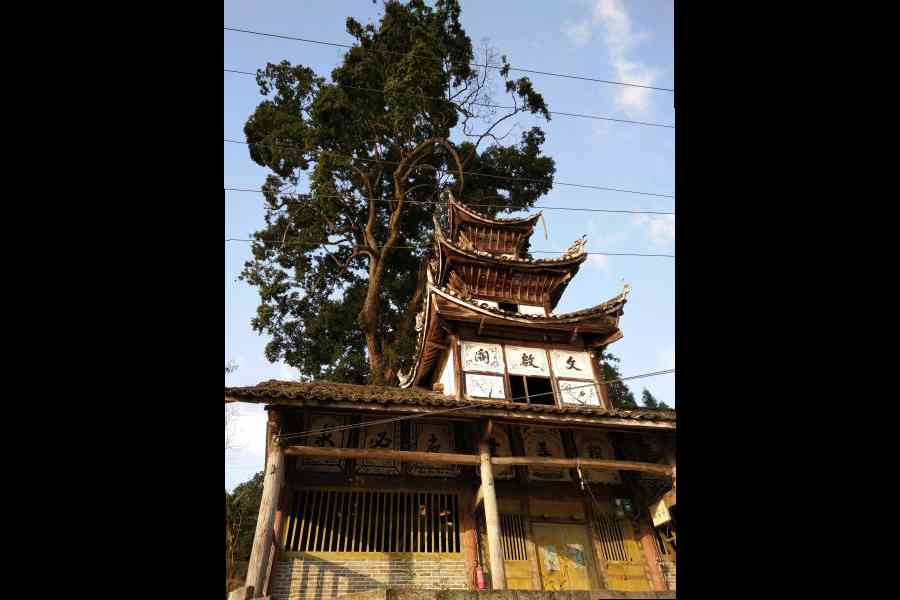
Ancient trees in China are being saved by religious sites like Buddhist temples.
These places, where trees are often planted and cared for, have become safe havens for species that are disappearing elsewhere.
A recent study found thousands of old and endangered trees growing on temple grounds.
Religious practices that value plants, along with the temples' protection from deforestation, help the trees to survive.
This preservation isn't limited to China or Buddhism; similar efforts are seen around the world, highlighting the role of religion in protecting nature.

Religious sites in China are refuges for ancient and endangered trees.
Buddhist and Taoist temples have sheltered plants for centuries.
Almost 6,000 threatened tree species were found across religious sites.
Buddhism and Taoism emphasize spiritual association with plants.
Religious places and practices have preserved trees worldwide.
- Who
- Researchers, conservationists, and religious communities.
- What
- Religious sites in China, particularly Buddhist temples, are preserving ancient and endangered trees.
- When
- The trees have been preserved for about two centuries, with some dating back to the early years of the Common Era.
- Where
- China and other locations worldwide, where religious sites are preserving trees.
- Why
- Religious sites offer protection from deforestation and cultivate plants that have spiritual significance.
- Study Finding
- Religious sites are refuges for ancient trees
- Species Count
- At least eight endangered tree species exist nowhere else on Earth
- Number of Trees Surveyed
- Almost 47,000 old trees
- Temples Surveyed
- 6,545 religious sites in China
- Oldest Tree Documented
- Baima Temple in Luoyang in the year 68