

Archive · 27 Oct 2025
New Genetic Study Traces Indian Ancestry to Iran
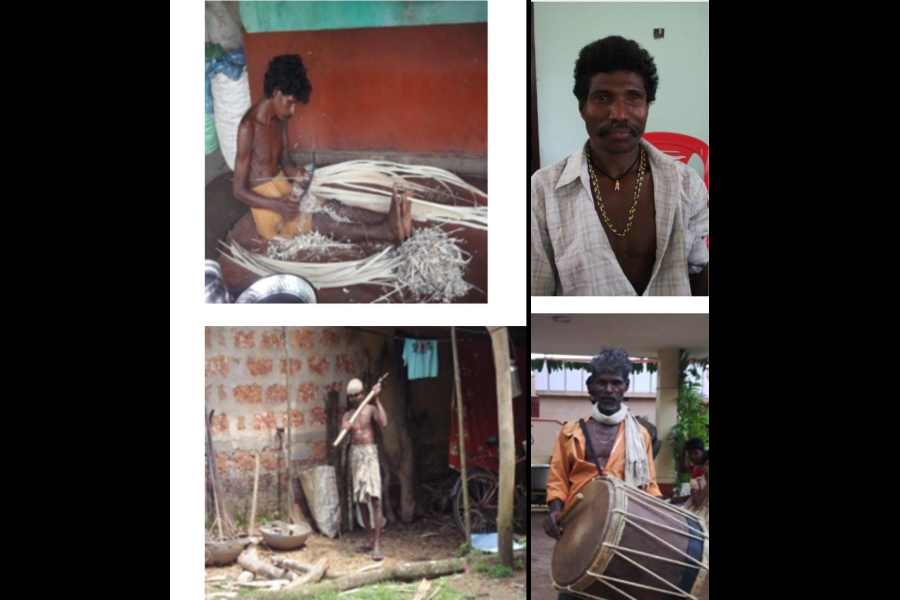
Imagine India is like a big family with many relatives from different places.
Scientists have found a new relative in this family, tracing back to people from Iran about 4,400 years ago.
They studied a tribe called the Koragas in India and found a special part of their DNA that came from this Iranian group.
This discovery helps us understand how different groups of people came together to create the Indian population we know today.
This new 'relative' makes up about 20% of the DNA of modern Indians.
It suggests that there were connections between the Iranian plateau and the Indus Valley long ago.

A new ancestral component, Proto-Dravidian, has been identified in the Indian population.
The Proto-Dravidian ancestry is linked to the Iranian plateau, dating back approximately 4,400 years.
The study focuses on the Koragas tribe, primarily located in Karnataka and Kerala, India.
The Proto-Dravidian component makes up around 20% of the modern-day Indian genome.
This discovery adds to the understanding of South Asia's complex population history.
- Who
- Scientists studying the Koragas tribe.
- What
- Discovered a sixth ancestral component in the Koragas tribe's genetic makeup, traced to the Iranian plateau.
- When
- Around 4,400 years ago.
- Where
- Coastal Karnataka and Kerala, India; Iranian plateau.
- Why
- To understand the complex population history of South Asia.
Original Research Findings
Not Applicable
Proto-Dravidian Ancestry
Original Research Findings
The study confirms the existence of a sixth ancestral component, Proto-Dravidian, in the Indian population, originating from the Iranian plateau.
Not Applicable
Not Applicable
- Focus
- Genetic study of Indian ancestry
- Tribe Studied
- Koragas
- Ancestral Origin
- Iranian plateau
- Time of Origin
- Approximately 4,400 years ago
- Ancestry Component Name
- Proto-Dravidian
- Percentage in Indian Genome
- Around 20%