Archive · 17 Jan 2026
Supreme Court Reviews Section 17A of PC Act
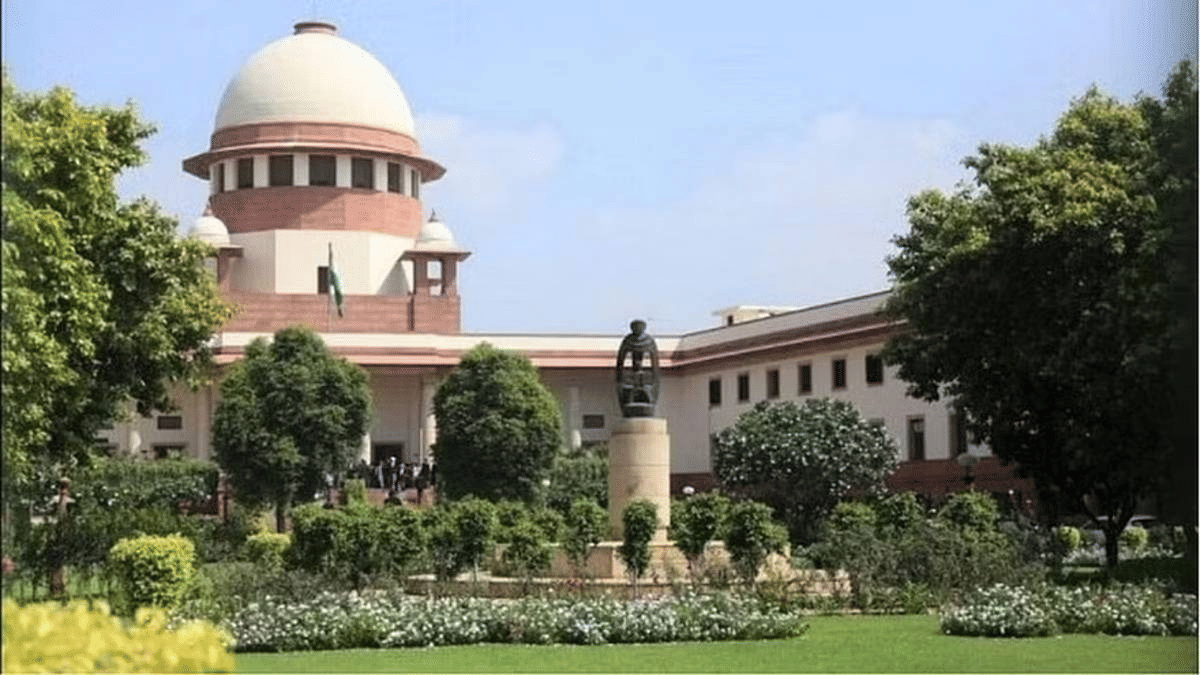
The Supreme Court is reviewing a part of the law called Section 17A, which requires permission from the government before investigating public servants for corruption.
Two judges had different opinions: one said it's unconstitutional because it gives too much power to the government, while the other said it's okay but needs an independent person to decide.
Now, a bigger group of judges will decide what to do.
They need to figure out how to protect honest officials from false complaints but also make sure corrupt ones can be investigated.
They also need to decide who should give the permission, how to handle cases involving state and central government officers, and what happens if the permission isn't given on time.
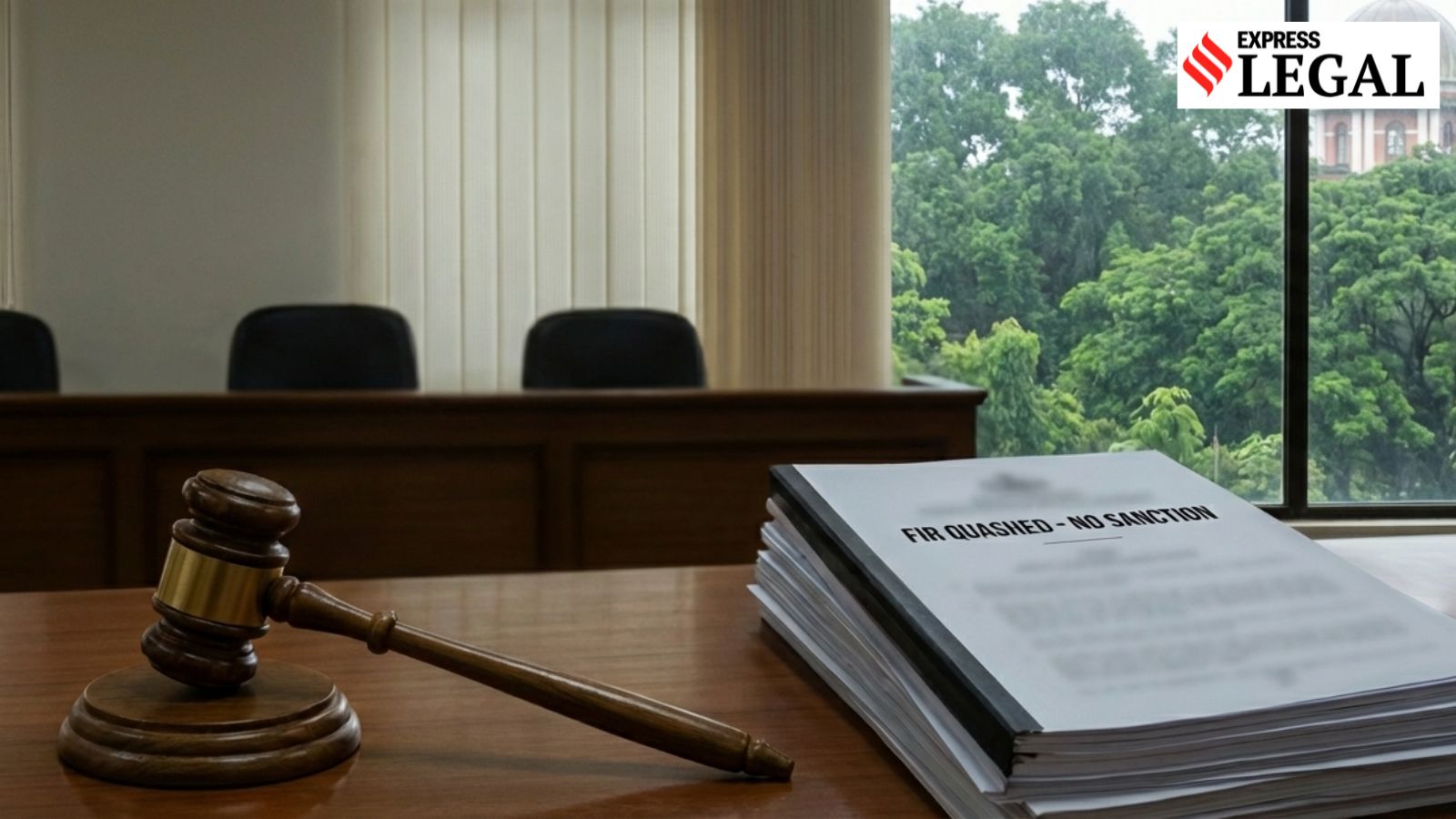
The Kerala High Court recently quashed an FIR against a forest officer because the necessary sanction was not obtained.
Data shows that since 1988, the number of corruption cases has increased, but acquittals have outnumbered convictions.

Section 17A of the Prevention of Corruption Act requires prior approval for investigating public servants' decisions.
Justice Nagarathna held Section 17A unconstitutional, citing risks of executive control and lack of safeguards.
Justice Viswanathan upheld Section 17A but suggested an independent gatekeeper to avoid conflict of interest.
The matter will now be heard by a larger Supreme Court Bench to resolve the split verdict.
The Kerala High Court quashed an FIR against a forest officer for lack of sanction under the PC Act.
- Who
- The Supreme Court of India, with Justices BV Nagarathna and KV Viswanathan delivering a split verdict.
- What
- A constitutional review of Section 17A of the Prevention of Corruption Act, 1988.
- When
- The verdict was delivered on 13 January, with the matter to be heard by a larger Bench.
- Where
- In the Supreme Court of India.
- Why
- To determine the constitutionality and effectiveness of Section 17A in preventing corruption and ensuring accountability.
- Section 17A
- Requires prior approval for investigating public servants under the PC Act.
- Justice Nagarathna
- Held Section 17A unconstitutional, citing risks of executive control.
- Justice Viswanathan
- Upheld Section 17A but suggested an independent gatekeeper.
- Split Verdict
- Supreme Court divided on the constitutionality of Section 17A.
- Larger Bench
- Matter will be heard by a larger Supreme Court Bench.
- Threshold Screen
- Section 17A aims to prevent malicious or ill-informed complaints.
- Trap-Case Exception
- No prior approval needed for arrests made while accepting bribes.
- Recommendations
- Five key recommendations for the larger Bench to consider.
- Kerala High Court
- Quashed FIR against forest officer for lack of sanction.
- Corruption Cases
- Acquittals outnumber convictions since 1988.