0 months ago
Michigan primary tests Democratic Party direction as El-Sayed leads Stevens

In Michigan, two people from the same political party, the Democrats, are running against each other to become the party's choice for the United States Senate.
One is Abdul El-Sayed, who wants the United States to stop giving military money to Israel and to spend more on healthcare, schools, and roads at home.
The other is Haley Stevens, who wants to keep supporting Israel but disagrees with Israel's current leader.
Their race is very close, and counting the votes took a long time.
The person who wins will face Mike Rogers, who is from the other major party, the Republicans, in November.
This race matters because it shows what Democrats across the country care about.
It is also important for deciding which party controls the U.S. Senate.
Michigan has many Arab American voters, so the issue of Israel is very important there.
Both candidates promised to work together to try to beat Mike Rogers after the primary.

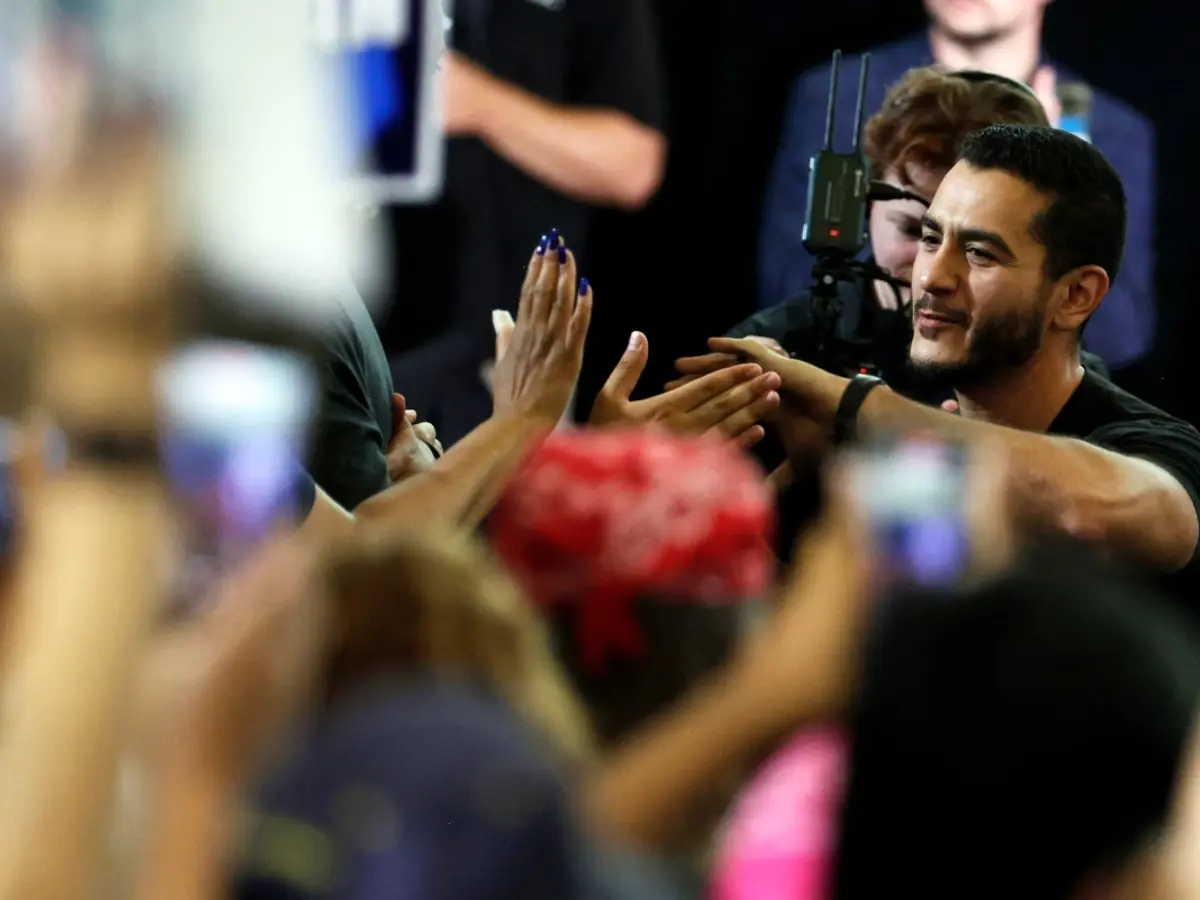
Abdul El-Sayed, a progressive backed by Bernie Sanders and Alexandria Ocasio-Cortez, held a narrow lead over moderate Haley Stevens in Michigan's Democratic Senate primary on Aug. 4.
With about 90% of the estimated vote counted, CNN showed El-Sayed leading Stevens by 49% to 47%, with the margin tightening as Detroit, Flint, and other heavily Black communities were counted.
The race was seen as a key test of the Democratic Party's direction, centering on U.S. support for Israel, the influence of big money in politics, and economic concerns.
The winner will face Republican Mike Rogers in November in a race critical to Democrats' hopes of regaining control of the U.S. Senate.
Pro-Israel groups affiliated with AIPAC spent more than $30 million backing Stevens while total outside spending reached about $90 million; in Missouri, Cori Bush lost her rematch to Wesley Bell.
- Who
- Abdul El-Sayed and Haley Stevens, competing in Michigan's Democratic U.S. Senate primary.
- What
- A Democratic primary seen as a test of the party's direction over U.S. support for Israel, economic populism, and the influence of outside money.
- Where
- Michigan, a critical Midwestern swing state.
- When
- Polls closed on Tuesday, August 4, with vote counting continuing into August 5.
- Why
- To choose the Democratic nominee to face Republican Mike Rogers in November in a race critical to Senate control, and to signal the party's ideological direction ahead of the 2028 presidential race.
Progressive wing (El-Sayed)
Moderate wing (Stevens)
U.S. support for Israel
Progressive wing (El-Sayed)
End unconditional U.S. military aid to Israel and redirect taxpayer dollars to domestic priorities; El-Sayed accuses Israel of genocide in Gaza.
Moderate wing (Stevens)
Continue U.S. military assistance to Israel while criticizing Prime Minister Benjamin Netanyahu, arguing the relationship should be maintained.
Money in politics
Progressive wing (El-Sayed)
Portrays the race as a test of whether grassroots campaigns can overcome large amounts of outside money, including over $30 million from AIPAC-affiliated groups backing Stevens.
Moderate wing (Stevens)
Accepted support from pro-Israel groups; Stevens says 'no one influences my vote other than the people of Michigan.'
Party direction and electability
Progressive wing (El-Sayed)
An anti-establishment, economic populist message that challenges party leaders reflects voter anger at the status quo.
Moderate wing (Stevens)
A moderate profile gives Democrats the strongest chance of winning independents and defeating Republicans in November.
Key facts
- Race
- Michigan Democratic U.S. Senate primary
- Candidates
- Abdul El-Sayed (progressive) vs. Haley Stevens (moderate)
- Election date
- Tuesday, August 4
- Latest results (90% counted)
- El-Sayed 49% vs. Stevens 47% (CNN)
- General election
- Winner faces Republican Mike Rogers in November
- Outside spending
- About $90 million total; more than $30 million from AIPAC-affiliated groups backing Stevens
- Israel favorability among Democrats
- Fell from 59% in 2018 to 22% in May (Reuters/Ipsos)
- Democratic views on Israel aid
- 16% support continued military/economic aid; 57% oppose
Quotes

Frank Lowenstein
Former U.S. special envoy for Israeli‑Palestinian negotiations under President Barack Obama
“"No one influences my vote other than the people of Michigan," she said. "Mr. Netanyahu has not made us safer, has not brought us closer to peace. And he’s endangered Jews here in America and around the world."”
 theprint.in
“"Tomorrow we begin to mend fences. Whatever happens tonight, we have a responsibility, for sure, that we unite to make sure that Mike Rogers never sees the inside of the U.S. Senate."”
theprint.in
Sources
Michigan primary cliffhanger tests direction of U.S. Democrats
El-Sayed holds narrow Michigan primary lead in test for US Democrats
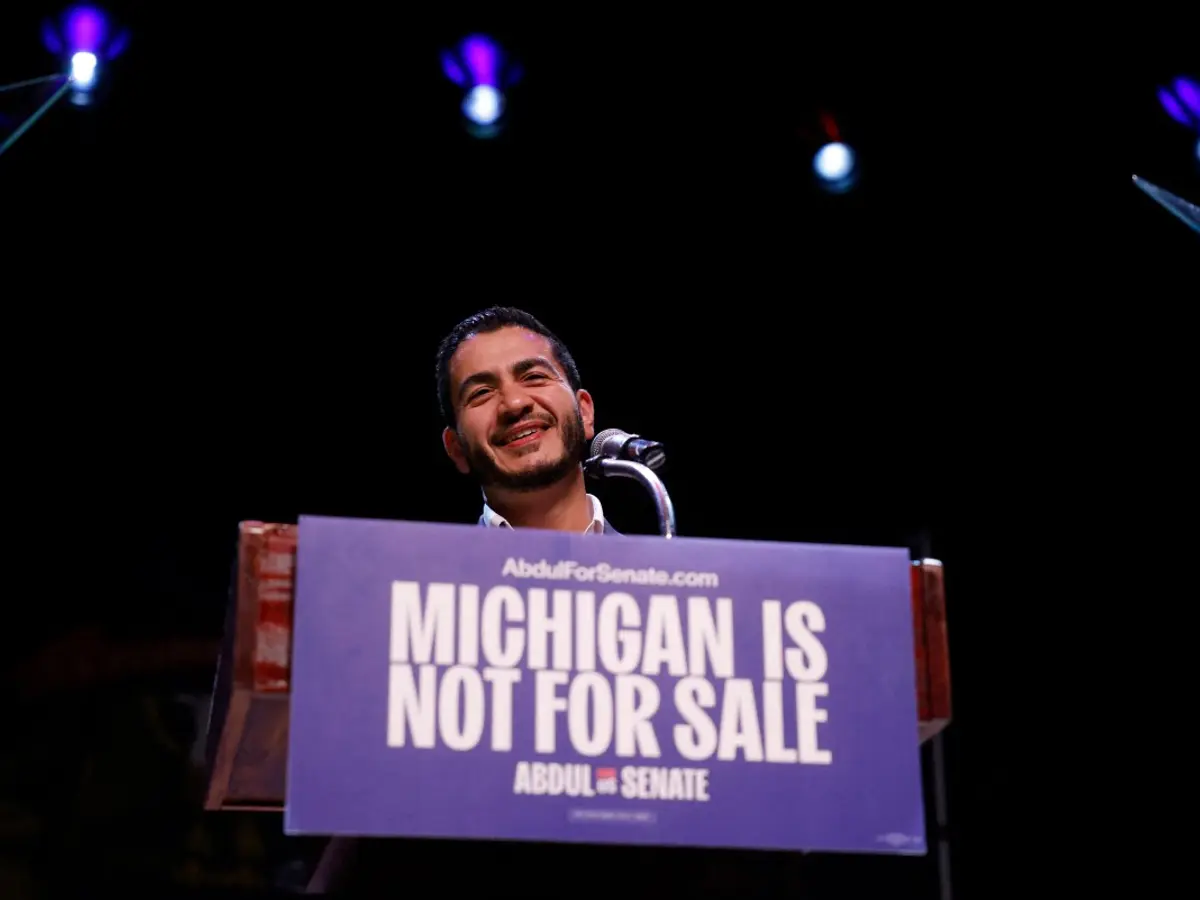
Palestinian-American Abdul El-Sayed leads Michigan Democratic Senate primary in key test for party
Michigan primary tests direction of U.S. Democratic Party
Michigan primary offers key test of Democratic voters’ views on Israel

Michigan Senate primary: Why the Abdul El-Sayed vs Haley Stevens race is crucial for Democrats
Related news
Progressive Abdul El-Sayed Wins Michigan U.S. Senate Primary
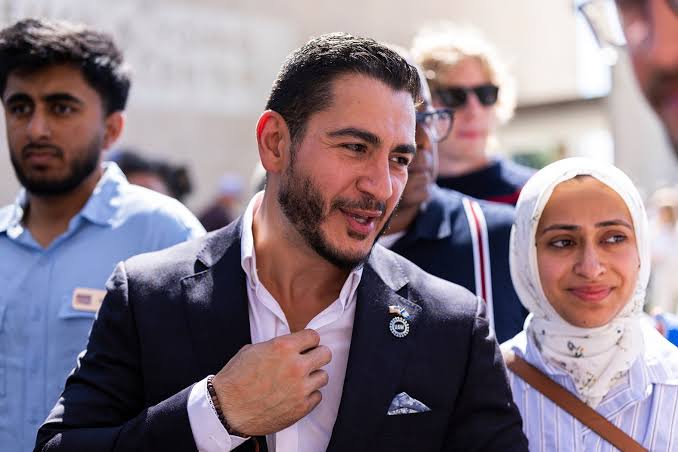
El Sayed's Michigan Primary Win Signals Rise of New Left
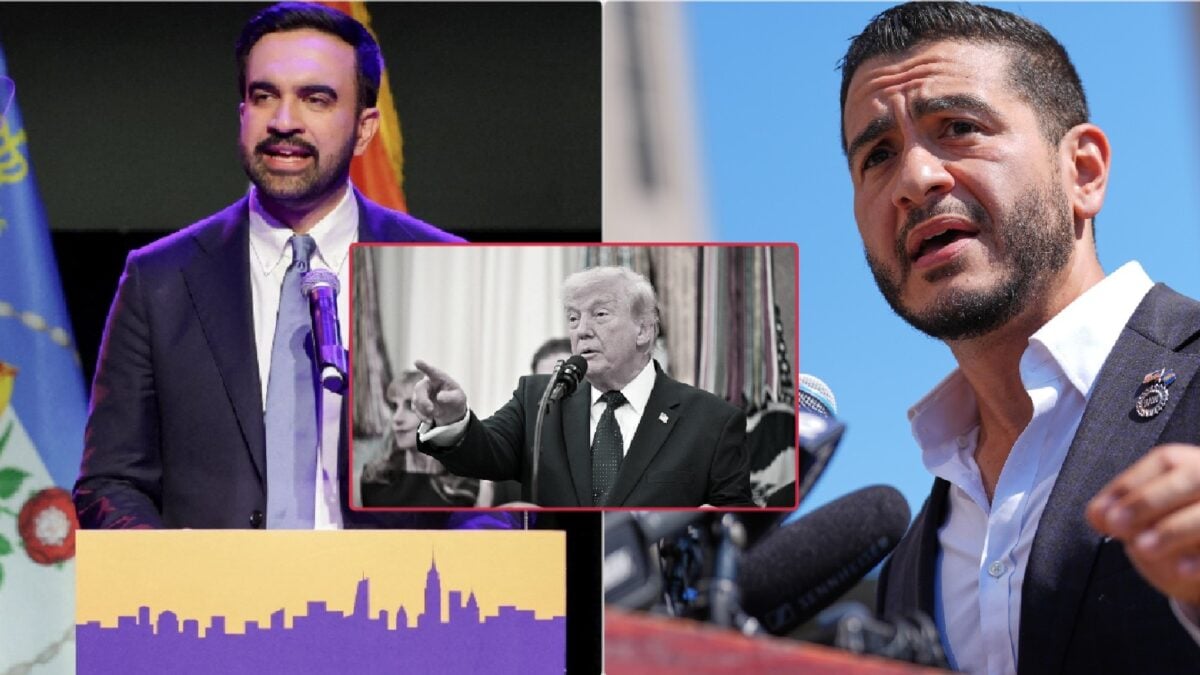
El-Sayed's Michigan Win Intensifies Debate Over Democratic Leftward Shift
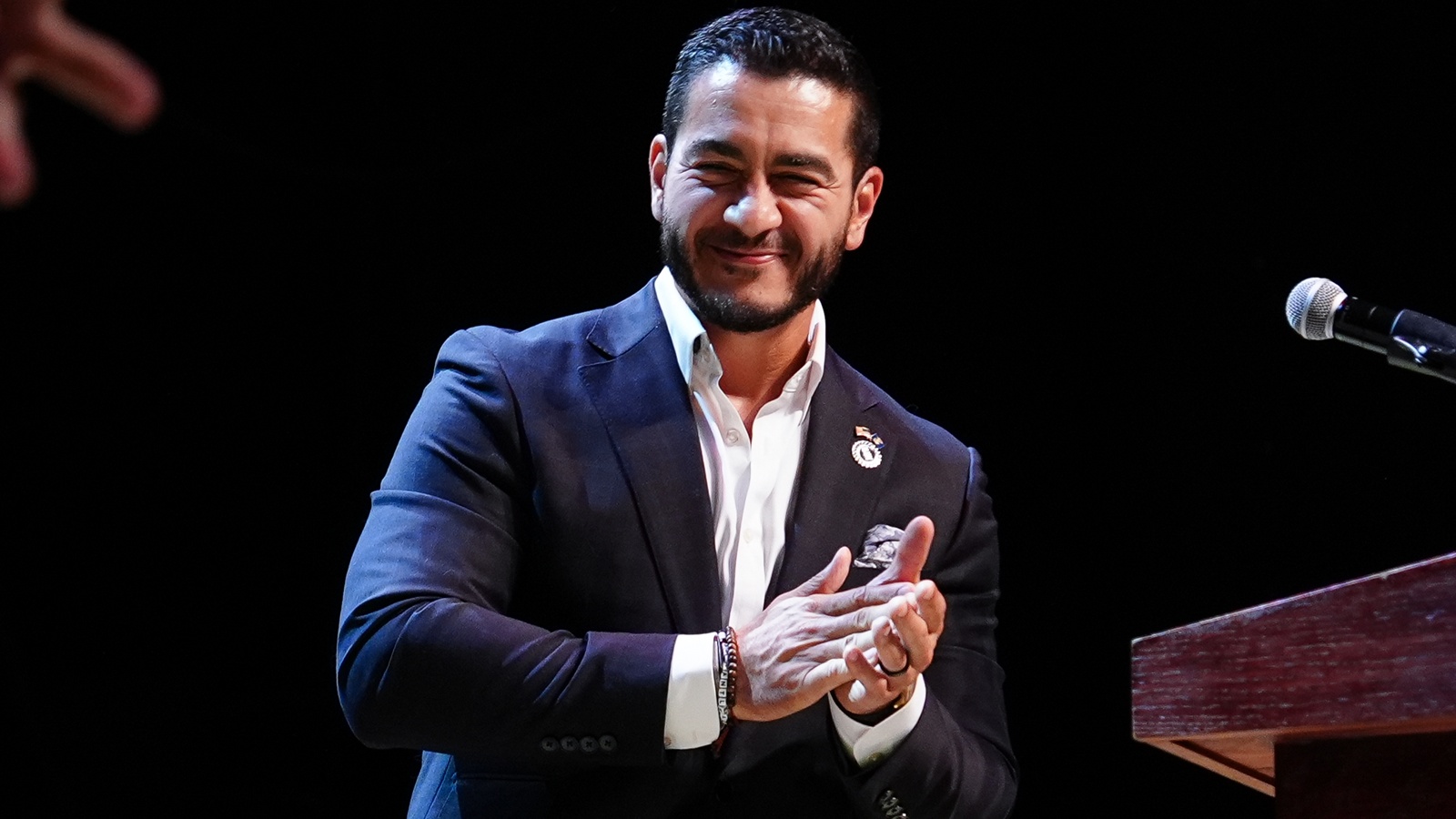
El-Sayed Wins Michigan Senate Primary, Could Become First Muslim Senator

Abdul El-Sayed wins Michigan Senate Democratic primary, faces Mike Rogers
El-Sayed hits back at Trump: 'Main character of the midterms'