

Archive · 31 Jul 2025
Earth's New Seasons: Haze, Trash & Climate Change's Impact
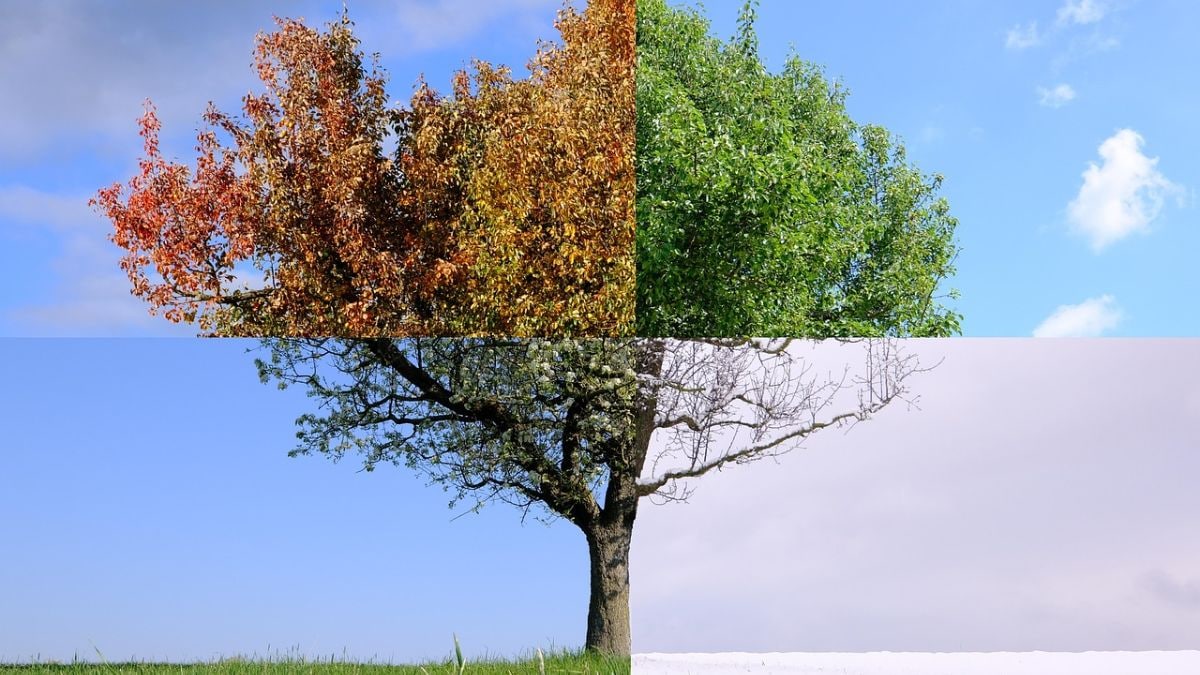
Our planet is experiencing new seasons called haze and trash because of human activities.
Haze season brings smoky air, especially in Southeast Asia and the US, from burning fields.
Trash season brings plastic waste to beaches, particularly in Bali.
Traditional seasons are also changing; some winters are shorter, and the timing of spring and summer is less predictable.
These changes are happening because of climate change and how we are impacting the Earth.

New seasons, 'haze' and 'trash,' are emerging due to human impact.
Haze season, caused by agricultural burning, affects air quality in Southeast Asia and the US.
Trash season brings plastic waste to beaches in Bali, Indonesia, and other locations.
Traditional seasons are becoming unpredictable or disappearing due to climate change.
Changes include shorter winters in mountain regions and longer wildfire seasons.
- Who
- Climate scientists and researchers.
- What
- The emergence of new seasons: Haze and Trash, and changes to traditional seasons.
- When
- Haze season occurs between August and October; Trash season between December and March.
- Where
- Southeast Asia, Bali, the US, and mountain regions.
- Why
- Growing human influence on Earth's natural systems, resulting in changes to seasonal patterns.
Viewpoints on causes
Viewpoints on solutions
Main causes for change
Viewpoints on causes
Human activities, such as burning fields and waste mismanagement are primary causes.
Viewpoints on solutions
Changes are a result of human impact on Earth's natural systems.
- New Seasons
- Haze and Trash
- Haze Season Location
- Southeast Asia, US
- Trash Season Location
- Bali
- Cause of Haze Season
- Agricultural burning
- Cause of Trash Season
- Plastic waste from rainfall and ocean currents
- Affected Regions
- Andes, Rocky Mountains, Northeast England