Archive · 15 Sep 2025
Toxic Fumes on Planes Linked to Brain, Nerve Injuries
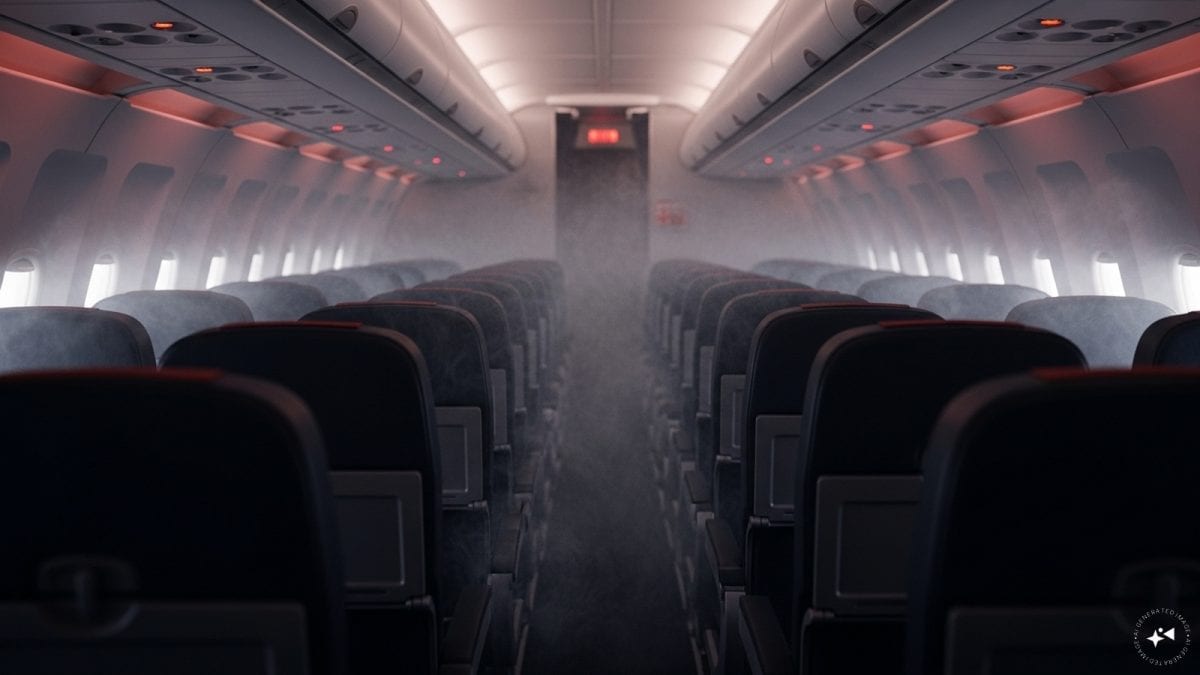
Some planes have a problem where bad fumes get into the air people breathe, like oil and hydraulic fluid.
These fumes can make people sick, with headaches, dizziness and confusion.
Pilots and flight attendants are reporting brain and nerve injuries.
This is happening because air is taken from the engines to keep the cabin pressurized.
When seals wear down, these bad fumes can leak into the air.
Reports of incidents are increasing.
Airlines say the air is safe.
Lawmakers are trying to address the issue.

Reports show an increase in fume events in aircraft cabins.
Pilots and flight attendants report brain and nerve injuries.
The fumes are caused by engine oil or hydraulic fluid leaking.
The 'bleed air' system is the source of the problem.
Incidents increased dramatically in recent years, especially on Airbus A320s.
- Who
- Pilots, flight attendants, and passengers.
- What
- Exposure to toxic fumes leading to health issues.
- When
- Incidents increasing since 2014.
- Where
- Aircraft cabins.
- Why
- Fumes leaking from engine systems through the 'bleed air' system.
Critics of Industry
Airlines and Manufacturers
Cabin Air Safety
Critics of Industry
Cabin air poses a significant health risk.
Airlines and Manufacturers
Cabin air is safe and meets requirements.
Prevalence
Critics of Industry
Incidents are increasing significantly.
Airlines and Manufacturers
Incidents are rare.
- Issue
- Exposure to toxic fumes in aircraft cabins.
- Affected
- Pilots, flight attendants, and passengers.
- Health Effects
- Brain and nerve injuries.
- Cause
- Fumes leaking from engine systems through 'bleed air'.
- Reported Incidents
- Jumped from 12 to nearly 108 per million departures (2014-2024).
- Aircraft with Issues
- Airbus A320-family jets are most affected.
- Manufacturer Response
- Boeing states cabin air is safe; Airbus promotes 'Project Fresh'.