

Archive · 29 Nov 2025
Face Transplants: Progress and Unanswered Questions
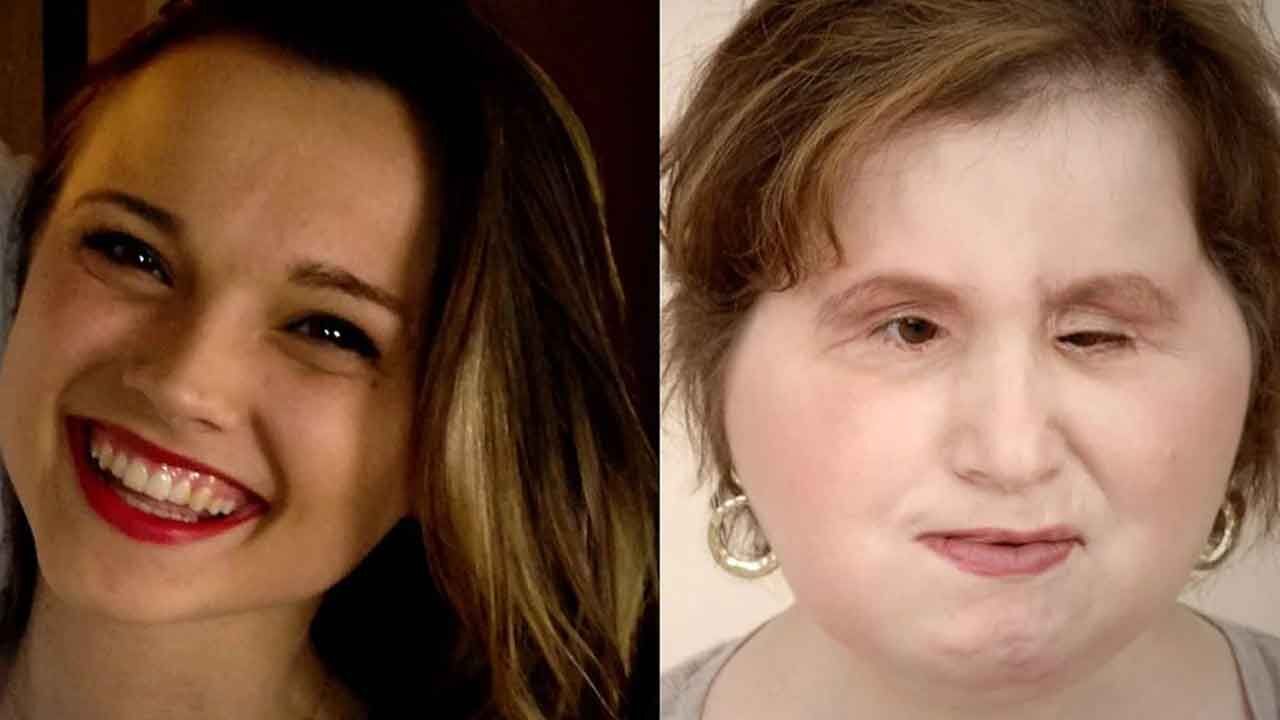
Twenty years ago, the first face transplant was performed on a woman named Isabelle Dinoire.
This surgery was a big deal because it was the first time someone received a new face from a donor.
However, there are still many questions and concerns about face transplants.
For example, the surgery can have serious risks like infections and problems with the body rejecting the new face.
Additionally, the psychological impact of receiving a new face is significant, as it affects how a person sees themselves and interacts with the world.
Some people, like James Partridge, who has advocated for those with facial differences, have raised ethical concerns about the procedure.
They worry that it sends a message that people with facial differences need to be 'fixed.'
Despite these concerns, around 50 face transplants have been performed worldwide.
The long-term effects of these surgeries are still not fully understood, and the cultural pressures to look a certain way continue to grow.
In short, while face transplants are possible, the medical, psychological, and cultural implications are complex and still being explored.

The first partial face transplant was performed on November 27, 2005, on Isabelle Dinoire in France.
Around 50 face transplants have been performed worldwide, with significant risks including graft rejection and infections.
The psychological impact of face transplants is profound, affecting identity and self-recognition.
James Partridge, an advocate for people with facial differences, has raised ethical concerns about the procedure.
Long-term data on the consequences of face transplants remain limited, and cultural pressures related to appearance continue to grow.
- Who
- Isabelle Dinoire (recipient), James Partridge (advocate), Bernard Devauchelle and Jean-Michel Dubernard (surgeons)
- What
- First partial face transplant and its long-term implications
- When
- November 27, 2005, with ongoing developments
- Where
- France, with subsequent transplants in China, the US, and elsewhere
- Why
- To restore appearance and function after severe facial injury, but with significant risks and ethical considerations
- First Face Transplant
- November 27, 2005, France
- Recipient
- Isabelle Dinoire
- Number of Face Transplants Worldwide
- Around 50
- Risks of Face Transplants
- Graft rejection, infections, cancers, psychological toll
- Immunosuppressants
- Lifelong requirement with significant risks
- Psychological Impact
- Identity, belonging, self-recognition issues
- Cultural Pressures
- Rising appearance anxiety, cosmetic surgery rates
- Long-term Data
- Limited