

Archive · 19 May 2025
Dengue Haemorrhagic Fever: Symptoms, Causes, and Prevention
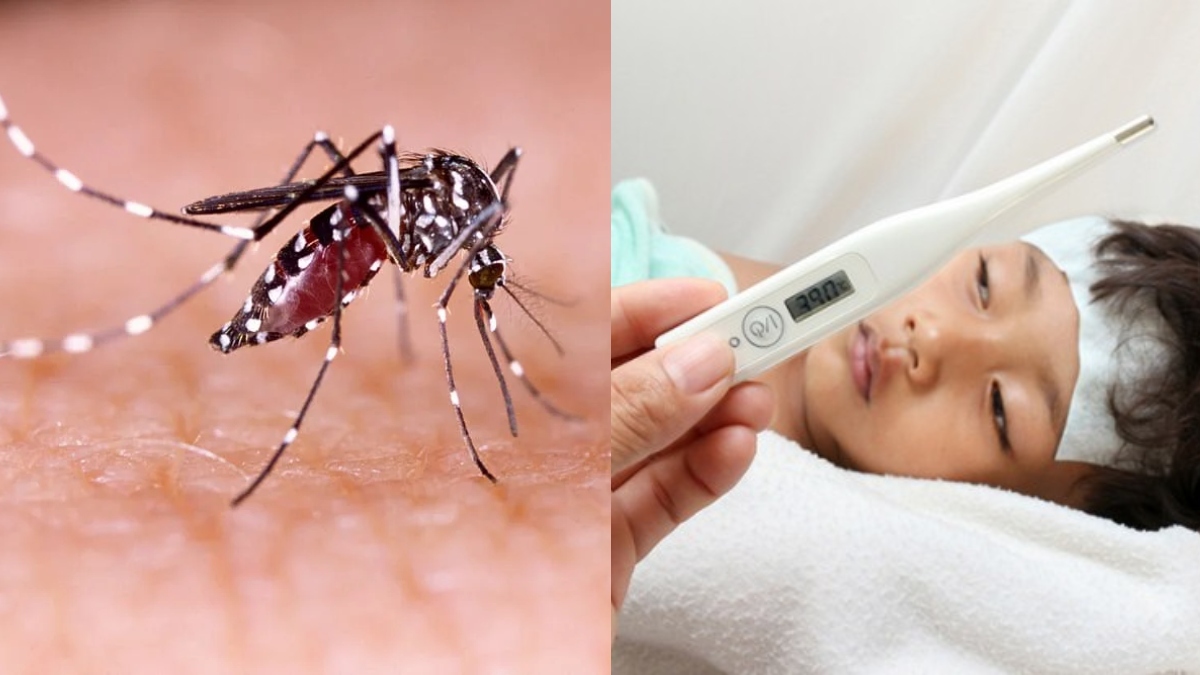
Dengue Haemorrhagic Fever (DHF) is a serious form of dengue fever, a sickness spread by mosquitoes.
It's like a worse version of the regular dengue.
At first, you might feel like you have a regular fever.
But then, you might get a bad tummy ache, vomit a lot, or bleed.
Since it's severe, people should seek immediate treatment.
There's no medicine to kill the virus.
Instead, doctors help by giving fluids, watching for problems, and providing other care.
The best way to avoid DHF is to prevent mosquito bites and remove places where mosquitoes can breed.

Dengue Haemorrhagic Fever (DHF) is a severe complication of dengue fever, a viral infection spread by Aedes mosquitoes.
Early symptoms of DHF mirror those of regular dengue: fever, headache, muscle and joint aches, and rash.
Warning signs of DHF include severe abdominal pain, repeated vomiting, bleeding, and a sudden drop in blood pressure.
There's no specific antiviral therapy for DHF; treatment focuses on fluid replacement, vital sign monitoring, and supportive care.
Preventive measures involve controlling mosquito populations, using repellents and netting, wearing long sleeves, and cleanliness.
- Who
- People who have had a previous dengue infection are most at risk.
- What
- Dengue Haemorrhagic Fever (DHF) is a severe complication of dengue fever, a viral infection.
- When
- Not explicitly mentioned in the article.
- Where
- Hospitals across India are equipped to manage severe dengue cases.
- Why
- Early detection and treatment are critical to save lives.
- Cause
- Viral infection transmitted by Aedes mosquitoes
- Early Symptoms
- Fever, headache, muscle/joint aches, rash
- Warning Signs
- Severe abdominal pain, vomiting, bleeding
- Treatment
- Fluid replacement, monitoring, supportive care
- Prevention
- Prevent mosquito bites and eliminate breeding sites