

Archive · 8 Nov 2025
Taurids Meteor Shower Peaks with Fireball Display
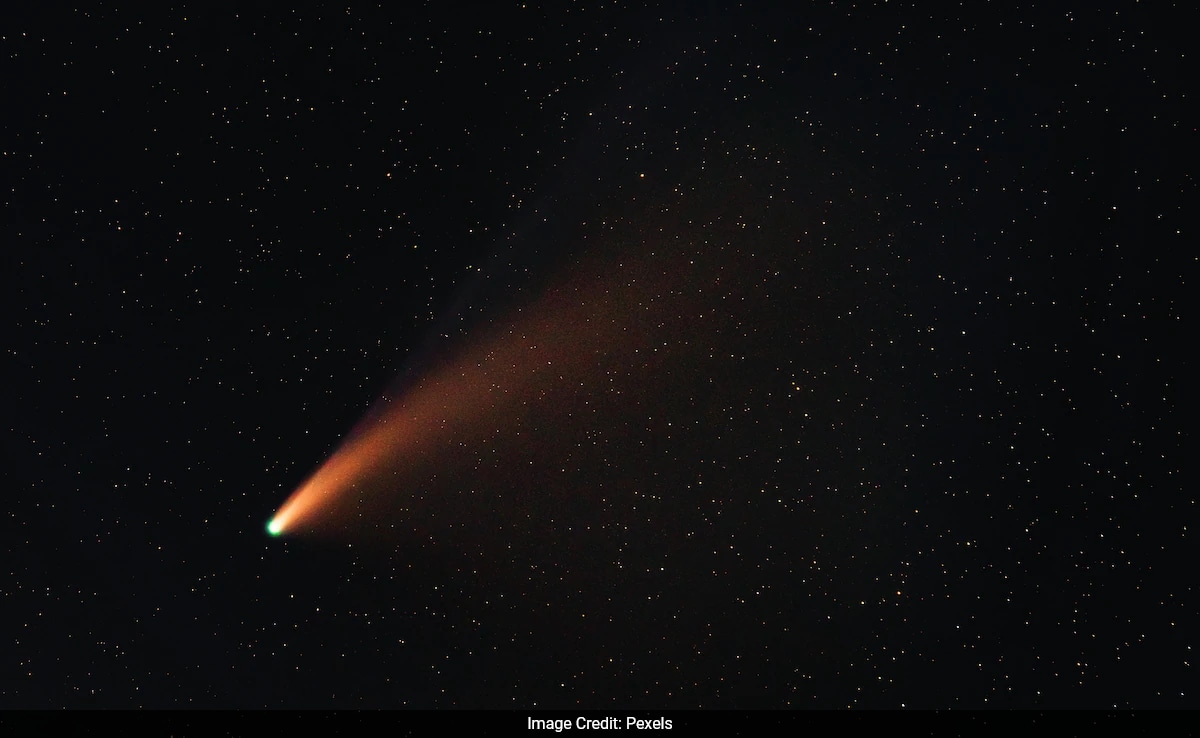
Imagine space dust and tiny rocks floating around.
Sometimes, our planet Earth zooms through these clouds of space bits.
When these little pieces hit our air, they get super hot and glow, creating a streak of light we call a meteor, or a shooting star!
The Taurids meteor shower is happening now.
It's actually two streams of space bits.
One comes from a comet's leftovers, and the other from a rocky space object.
They are called Taurids because they seem to come from a part of the sky called Taurus.
When both showers are active, we might see about 10 shooting stars each hour.
These bright meteors can sometimes be really big and are called fireballs.
Scientists study them because they can tell us about dangers in space.
To see them, find a dark spot away from city lights and look up!

The Taurids Meteor Shower, a yearly event from late October to November, is reaching its peak.
It consists of two streams: the Southern Taurids (from Comet Encke's debris) and the Northern Taurids (from asteroid 2004 TG).
The Southern Taurids peaked November 4-5 and are visible until November 20; the Northern Taurids peak November 11-12 and are visible until December 10.
When both showers are active, approximately 10 meteors per hour, including fireballs, can be observed.
These celestial events can offer insights into potential space hazards like atmospheric explosions or Earth-impacting objects.
- Who
- Sky watchers
- What
- Taurids Meteor Shower, including a stunning fireball display.
- When
- Southern Taurids peaked November 4-5; Northern Taurids peak November 11-12. Visible from late October through early December.
- Where
- Visible from Earth, appearing to radiate from the constellation Taurus.
- Why
- Earth passing through debris trails of Comet Encke (Southern Taurids) and asteroid 2004 TG (Northern Taurids).
- Southern Taurids Peak
- November 4-5
- Northern Taurids Peak
- November 11-12
- Southern Taurids Visibility
- Until November 20
- Northern Taurids Visibility
- Until December 10
- Meteors Per Hour
- Approx. 10 when both showers active
- Meteor Speed
- Approx. 17 miles per second