

Archive · 8 Sep 2026
Longer Allied Health Degrees Raise Faculty, Infrastructure Concerns
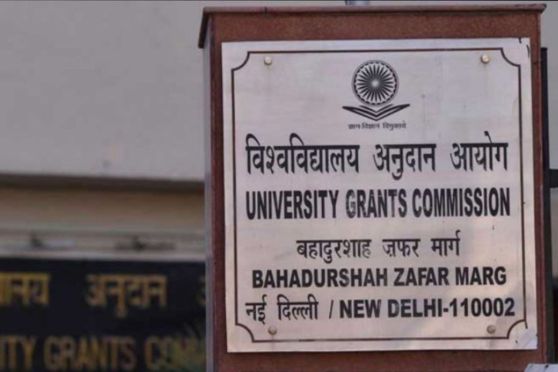
India’s higher education regulator has changed some allied health courses.
These include optometry, occupational therapy and physiotherapy.
The changes add more theory to optometry and longer internships to some courses.
Supporters say longer internships can help students learn how to treat patients.
One physiotherapist said the old six-month internship was too short.
He also said students often had to pay for internships and did not receive stipends.
Critics worry that universities do not have enough teachers, staff or facilities for longer courses.
A former UGC official said governments and regulators should make universities hire more people.
The new rules are meant to make course names and requirements more consistent.

The University Grants Commission extended components of B.Optom, B.OT and B.PT courses.
The changes add theory to optometry and internship requirements to occupational therapy and physiotherapy.
The notification aims to standardize degree names, durations and entry qualifications across universities.
A physiotherapist said a one-year internship could improve students’ practical skills and possibly support stipends.
A former UGC secretary warned that universities may lack the additional faculty, staff and infrastructure required.
- Who
- The University Grants Commission, the National Commission for Allied and Healthcare Professions, allied health students and universities.
- What
- Course requirements for Bachelor of Optometry, Bachelor of Occupational Therapy and Bachelor of Physiotherapy programmes have been amended, including additional theory or internship components.
- When
- The UGC issued the notification recently; it will take effect from publication in the Official Gazette.
- Where
- Universities in India, including institutions offering these allied health programmes.
- Why
- The changes seek to ensure uniformity in degree nomenclature, duration and entry qualifications, while aligning courses with NCAHP recommendations.
Supporters of Longer Training
Implementation Critics
Longer internships
Supporters of Longer Training
Supporters say extending internships can give students better practical skills and allow hospitals to use interns more effectively.
Implementation Critics
Critics caution that longer course requirements may not improve education if universities do not provide enough faculty, staff and infrastructure.
Standardization
Supporters of Longer Training
The UGC and NCAHP-backed changes are intended to create consistent course names, durations and entry qualifications across universities.
Implementation Critics
The changes could place pressure on institutions that currently run these programmes with minimal staffing and facilities.
Internship stipends
Supporters of Longer Training
Mohammad Sadiq said hospitals may be more willing to pay stipends when students complete a one-year internship.
Implementation Critics
The article does not establish that stipends will be guaranteed under the amended rules.
- Affected courses
- Bachelor of Optometry, Bachelor of Occupational Therapy and Bachelor of Physiotherapy.
- Regulator
- University Grants Commission.
- Professional body
- National Commission for Allied and Healthcare Professions.
- Optometry change
- An additional theory component was added to the Bachelor of Optometry course.
- Internship change
- Internship components were added to the Bachelor of Occupational Therapy and Bachelor of Physiotherapy courses.
- Existing physiotherapy duration
- A physiotherapist described the current course as four and a half years, including a six-month internship.
- Implementation concern
- A former UGC secretary said many universities operate these programmes with minimal faculty and staff.