

Archive · 7 Jan 2026
Iran's Dormant Taftan Volcano Shows Signs of Activity
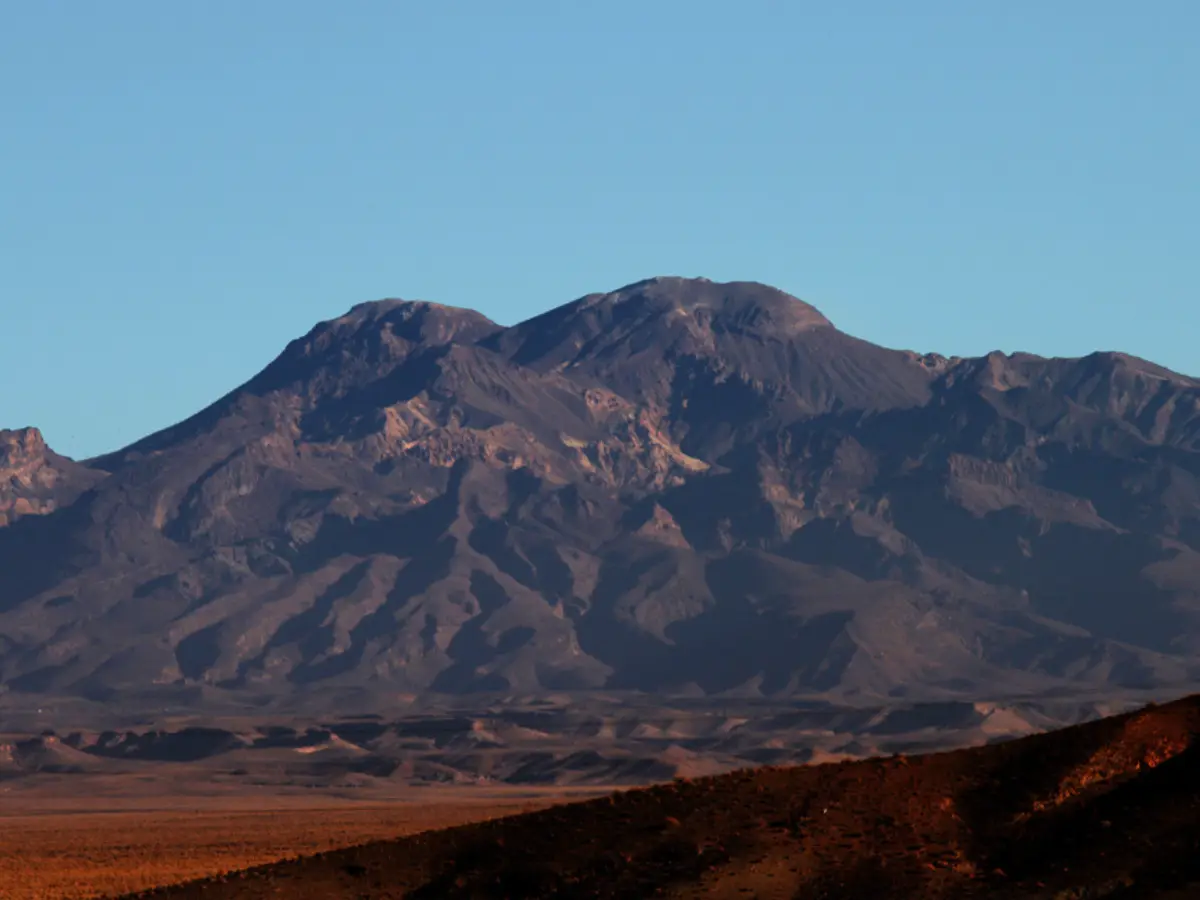
Scientists have found that the Taftan volcano in Iran, which hasn't erupted in about 710,000 years, is showing signs of activity.
The top of the volcano has risen by 3.5 inches over the past 10 months.
This is likely due to gases or hot water moving around underground.
Since the volcano is in a very remote area, scientists are using satellites to study it.
They think the pressure is still building up, but they are not sure if it will lead to an eruption.
The volcano is very tall and made of layers of lava and ash.
Scientists will continue to watch it closely to understand what might happen next.

The Taftan volcano in southeastern Iran has shown signs of activity with a 3.5-inch uplift over 10 months.
Satellites using InSAR technology detected the uplift, which is likely due to internal forces like gases or hot water.
The pressure zone is located 1,600 to 2,070 feet below the surface, suggesting a hydrothermal system is active.
The volcano's last eruption was approximately 710,000 years ago, and it has had five active eruption periods in its history.
Due to its remote location, scientists rely on satellite technology to monitor the volcano's activity.
- Who
- Scientists using satellite technology
- What
- Monitoring activity at the Taftan volcano
- When
- Over a period of 10 months
- Where
- Southeastern Iran
- Why
- To understand and track potential volcanic activity
- Volcano Name
- Taftan
- Location
- Southeastern Iran
- Height
- 12,927 feet
- Last Eruption
- Approximately 710,000 years ago
- Recent Uplift
- 3.5 inches over 10 months
- Monitoring Method
- InSAR using Sentinel-1 satellites
- Pressure Zone Depth
- 1,600 to 2,070 feet below the surface
- Study Authors
- Pablo J. González and team