

Archive · 14 Jan 2026
Female Dominance in Animal Societies
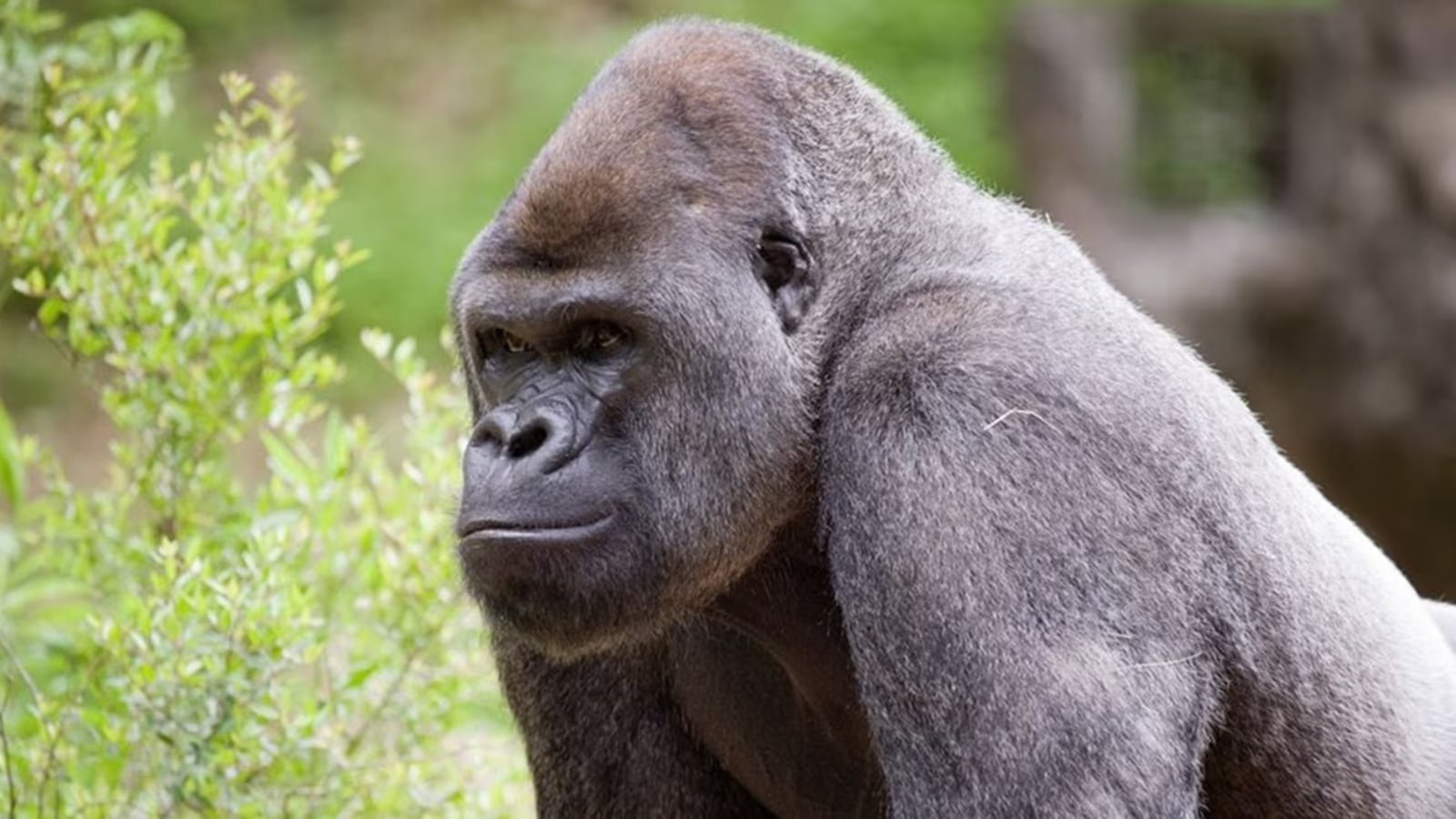
In many animal societies, females are stronger and more dominant than males.
For example, female gorillas can outrank non-alpha males, and bonobos are led by females who form coalitions.
Elephant herds are guided by matriarchs, and spotted hyenas have females that are larger and more aggressive.
In ants and bees, the queen controls the colony, and in some spider species, females eat males after mating.
These examples show that female strength and leadership are crucial for survival and reproduction in many animal societies.

Female gorillas often outrank non-alpha males in conflicts.
Bonobo societies are led by females who form coalitions.
Elephant herds are guided by matriarchs who make critical decisions.
Spotted hyena females are larger, more aggressive, and socially dominant.
In eusocial colonies like ants and bees, queens control reproduction.
- Who
- Various animal species, including gorillas, bonobos, elephants, and more.
- What
- Female dominance in animal societies.
- When
- Ongoing, with recent studies highlighting these dynamics.
- Where
- Various habitats around the world.
- Why
- Evolutionary and environmental factors contribute to female dominance.
- Gorillas
- Females outrank non-alpha males in 88% of cases.
- Bonobos
- Females lead societies and form coalitions.
- Elephants
- Matriarchs lead herds and make critical decisions.
- Spotted Hyenas
- Females are larger, more aggressive, and socially dominant.
- Ants & Bees
- Queens control reproduction, workers dominate.
- Orb-Weaving Spiders & Black Widows
- Females are larger, often consume males post-mating.
- Green Anacondas
- Females can be five times heavier, sometimes cannibalize males.
- Poison Dart Frogs
- Females are territorial, control reproductive success.
- Birds of Prey
- Females are larger, dominant at the nest.
- Komodo Dragons
- Females are larger, can reproduce asexually.