

Archive · 20 May 2025
Polar Bear Biopsies Shed Light on Arctic Pollutants
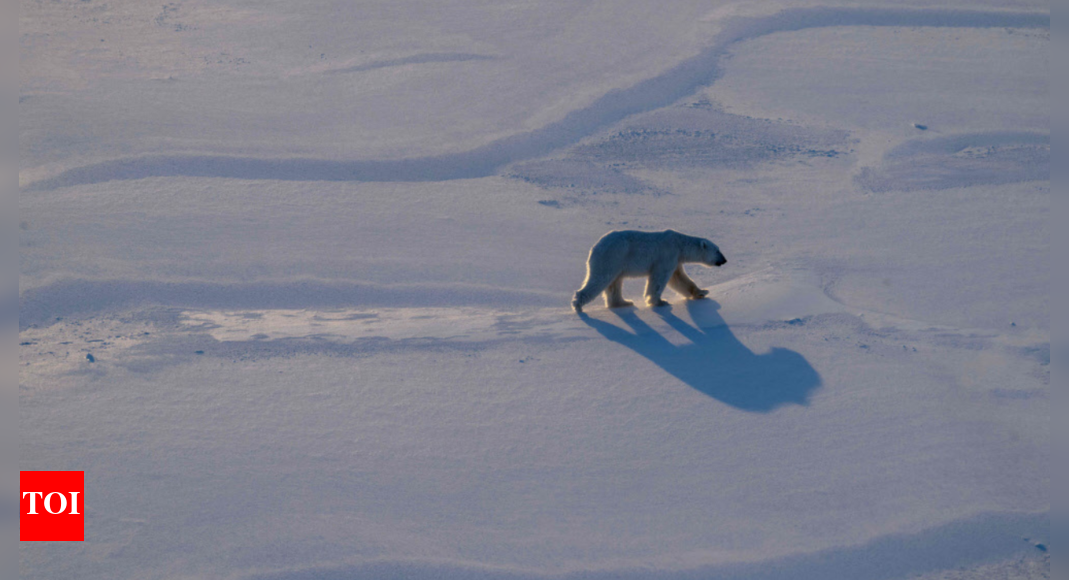
Scientists are studying polar bears in the Arctic to see how pollution affects them.
They take small samples of the bears' fat to check for harmful chemicals like PFAS, which are found in many products.
The scientists also track the bears and their diets.
Even though the Arctic is warming and some sea ice is disappearing, the polar bears in Svalbard seem to be doing okay, unlike some groups in Canada.
The bears are changing what they eat because of the ice melting, and the scientists are trying to understand how these changes affect their health.

Scientists in Norway's Svalbard archipelago are studying the impact of pollutants on polar bears through fat tissue biopsies.
The research aims to understand how polar bears are affected by pollutants and stress hormones in their environment.
Analysis of fat samples revealed the presence of PFAS, synthetic chemicals, in the polar bears.
The Svalbard polar bear population has remained stable, unlike some populations in Canada that have declined.
Researchers are also monitoring the bears' behavior and diet, which are changing due to reduced sea ice.
- Who
- Scientists studying polar bears.
- What
- Taking biopsies and studying polar bears' health and pollutant exposure.
- When
- Ongoing research.
- Where
- Svalbard archipelago, Norway.
- Why
- To understand the impact of pollution and climate change on polar bears.
- Location
- Svalbard archipelago
- Method
- Fat tissue biopsies
- Main Pollutant
- PFAS
- Polar Bear Population (approx. in Svalbard)
- 300
- Svalbard Population Trend
- Stable or slightly increased