

Archive · 19 Jun 2025
ESA's Proba-3 Mission Creates Artificial Solar Eclipse to Study the Sun
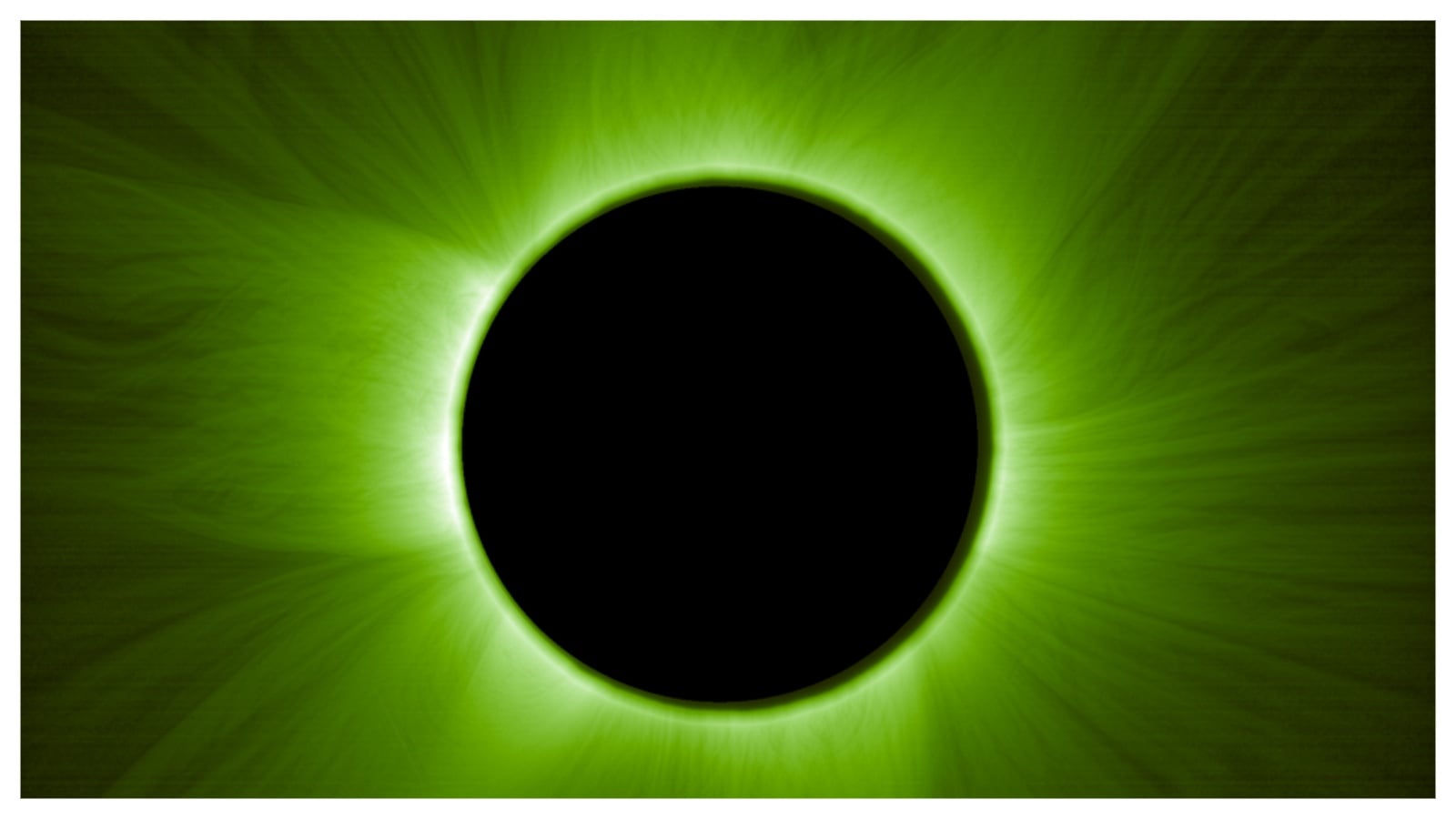
Imagine scientists wanting to take a close look at the sun's super-hot outer layer, called the corona, which is normally only visible during a total solar eclipse.
The European Space Agency sent up a special mission, Proba-3, with two spacecraft that fly together.
One blocks the sun's light, creating an artificial eclipse for the other to take pictures.
This lets scientists study the corona more often and for longer periods than with natural eclipses.
It will help them learn about solar storms that can mess with Earth and understand why the corona is so hot.

The Proba-3 mission created an 'artificial total solar eclipse' to study the sun's corona.
Two spacecraft, the Coronagraph and the Occulter, flew in formation to block the sun's light.
This allows scientists to study the corona and solar wind more frequently and for longer durations.
The mission can help scientists better understand solar storms and their impact on Earth.
Proba-3's formation flying paves the way for future missions like LISA.
- Who
- The European Space Agency (ESA) launched the Proba-3 mission.
- What
- The Proba-3 mission created an artificial solar eclipse using two spacecraft to study the sun's corona.
- When
- The Proba-3 mission launched in December 2024 and achieved formation flying in March this year.
- Where
- The mission operates in solar orbit.
- Why
- To study the sun's corona, solar wind, and potential impacts on Earth from solar storms.
- Mission Name
- Proba-3
- Launch Date
- December 2024
- Formation Distance
- 150 meters
- Occulter Disc Size
- 1.4 meters
- Eclipse Duration
- Up to 6 hours
- Frequency of Artificial Eclipse
- Once every 19.6-hour orbit