Archive · 30 Jan 2026
DoPT Report Reveals Caste-Based Employment Disparities in Government Jobs
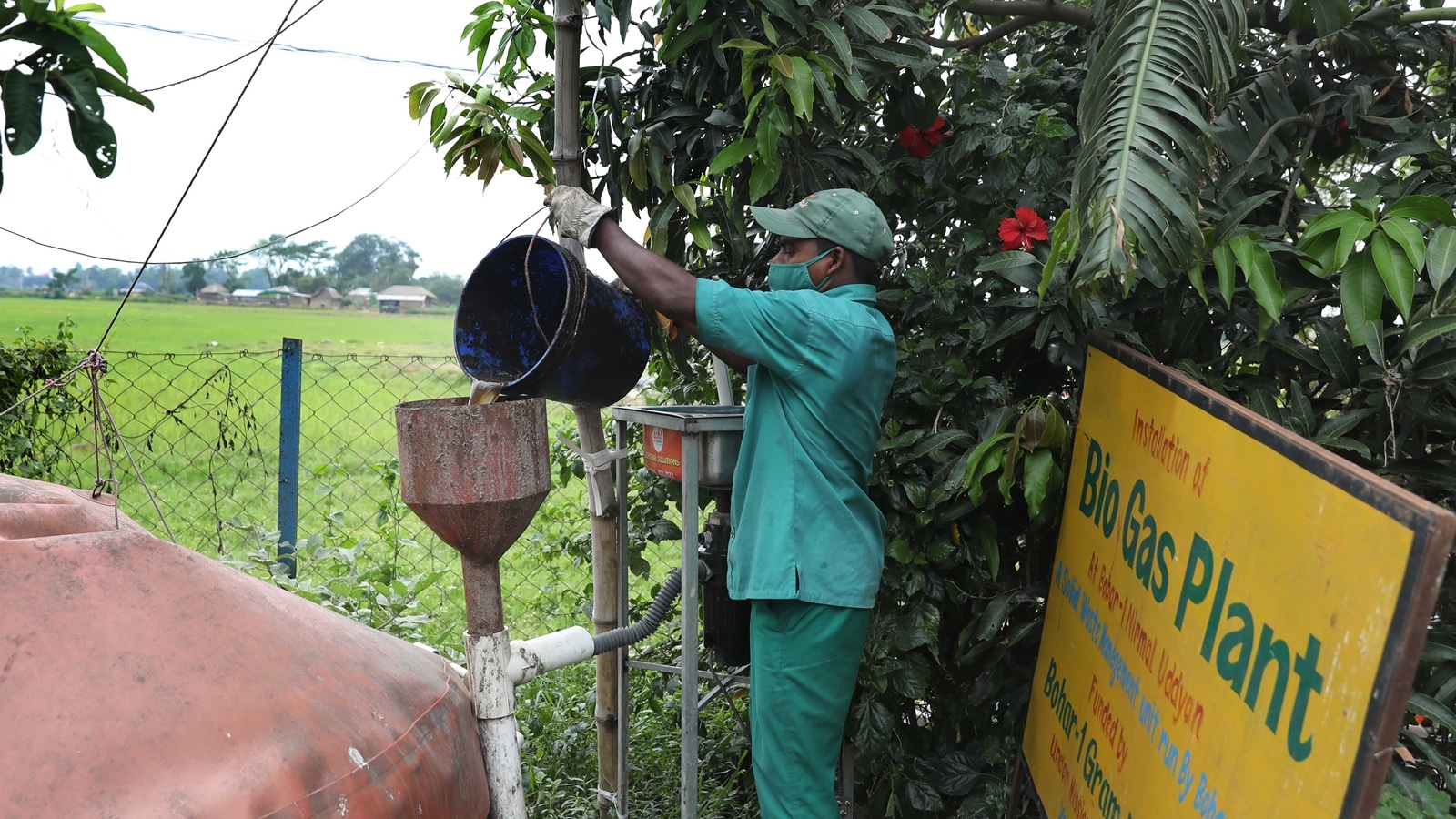
A recent report by the Department of Personnel and Training (DoPT) shows that workers from Scheduled Castes (SC), Scheduled Tribes (ST), and Other Backward Classes (OBC) make up a large part of sanitation workers in the government.
These groups account for 66% of the 40,737 sanitation workers, with SC workers being the largest group at 36.75%.
However, they make up only 40% of the highest-ranking Group A employees and 46% of Group B employees.
This shows that while SC, ST, and OBC workers are well-represented in lower-level jobs like sanitation, they are less represented in higher-ranking positions.
The report aims to highlight these disparities and encourage more balanced representation across all levels of employment.
The data suggests that the chains of hereditary labor have not been broken but rather institutionalized, with marginalized communities often confined to sanitation roles.
The report also indicates that the reservation system, intended to promote upward mobility, has instead frozen these communities at the bottom of the employment pyramid.
The underrepresentation of SC, ST, and OBC workers in higher-level positions is attributed to systemic biases and gatekeeping mechanisms that prevent marginalized communities from advancing in the bureaucracy.
The report calls for special recruitment drives, independent audits of the 'Not Found Suitable' clause, mechanization and professionalization of sanitation work, and transparent and inclusive lateral entry into senior posts to address these disparities.

SC, ST, and OBC workers make up 66% of sanitation workers in 80 Union ministries or departments.
SC, ST, and OBC workers account for 40% of Group A and 46% of Group B employees.
SC workers make up 36.75% of sanitation workers, followed by OBC at 21.15% and ST at 8.18%.
SC, ST, and OBC employees make up 52% of the total 32.52 lakh employees.
The DoPT report highlights the need for more balanced representation in higher-ranking positions and addresses systemic biases that prevent marginalized communities from advancing in the bureaucracy.
- Who
- SC, ST, and OBC employees in government jobs
- What
- Caste-based employment disparities in government jobs
- When
- 2024-2025
- Where
- 80 Union ministries or departments
- Why
- To highlight the persistence of caste-based occupational segregation and the need for more balanced representation in higher-ranking positions
Proponents of Status Quo
Advocates for Change
Representation in Lower-Level Jobs
Proponents of Status Quo
The high representation of SC, ST, and OBC workers in sanitation roles reflects their historical occupational roles and the effectiveness of reservation policies in providing job opportunities.
Advocates for Change
The concentration of SC, ST, and OBC workers in sanitation roles indicates a failure of the reservation system to break the cycle of caste-based occupational segregation and promote upward mobility.
Representation in Higher-Level Positions
Proponents of Status Quo
The lower representation of SC, ST, and OBC workers in Group A and Group B positions is due to merit-based selection processes that prioritize qualifications and competence.
Advocates for Change
The underrepresentation of SC, ST, and OBC workers in higher-level positions is a result of systemic biases and gatekeeping mechanisms that prevent marginalized communities from advancing in the bureaucracy.
- Total Employees
- 32.52 lakh
- SC, ST, OBC Employees
- 52%
- Sanitation Workers (Group C)
- 40,737
- SC Sanitation Workers
- 36.75%
- ST Sanitation Workers
- 8.18%
- OBC Sanitation Workers
- 21.15%
- Group A Employees (SC, ST, OBC)
- 40%
- Group B Employees (SC, ST, OBC)
- 46%
Sources
SC, ST, OBC employees make up 66% of sanitation workers, 40% of Group A staff: DoPT report flags representation gaps
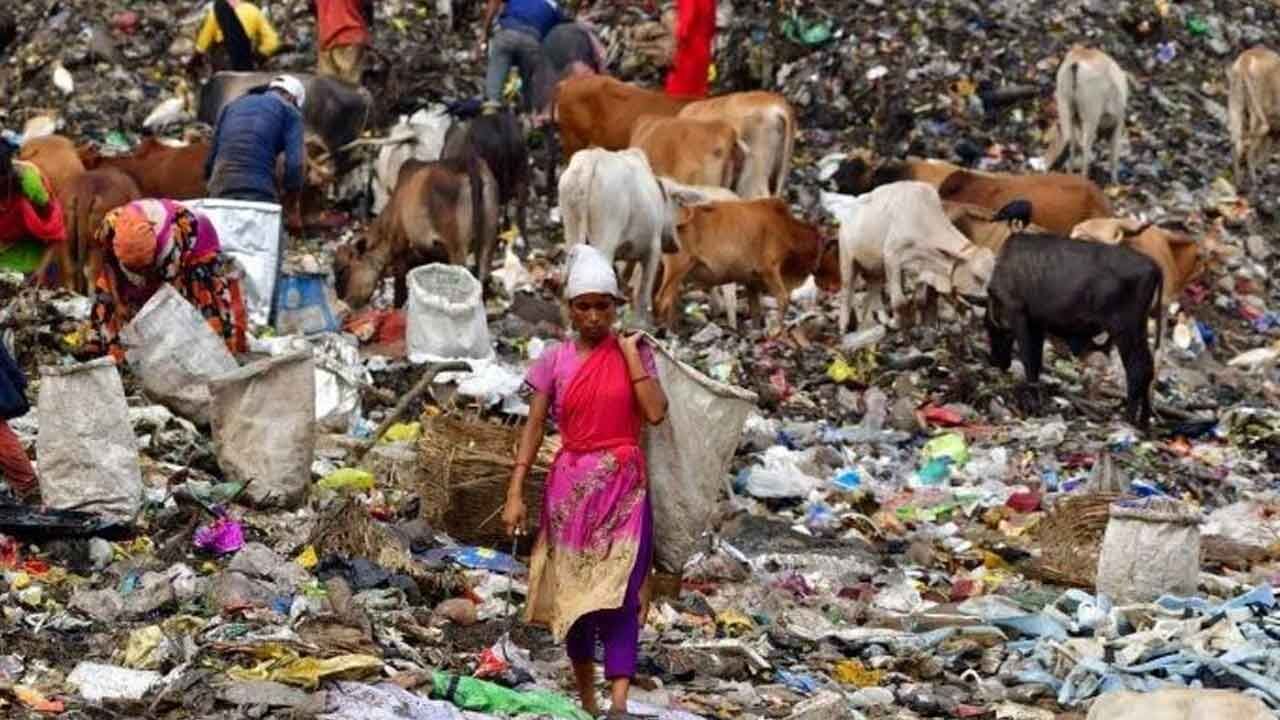
The pyramid of privilege: Casting a shadow on the corridors of power
Supreme Court plea behind salary recovery from ‘tainted’ teachers, non-teaching staff