

Archive · 13 Nov 2025
Hampi: Ancient Vijayanagara Capital and UNESCO Site in India
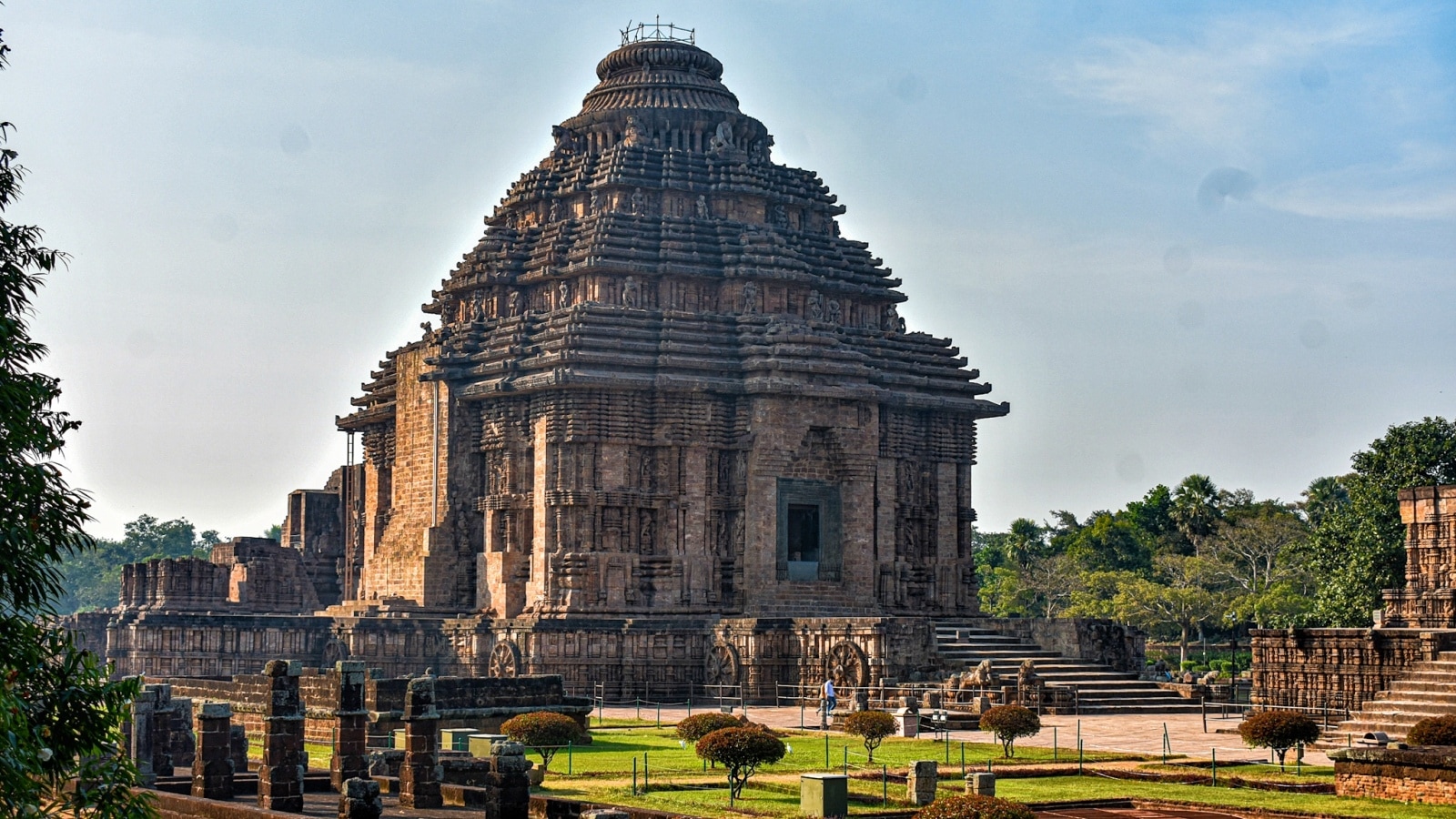
Imagine a really old city in India called Hampi that used to be the capital of a big empire a long, long time ago.
It's like a giant playground of ancient buildings!
Hampi has amazing temples with beautiful carvings, old palaces where kings and queens lived, and even ancient marketplaces.
One of the most famous things is a temple with a big stone chariot that looks like it's about to roll away.
It's so special that people from all over the world come to see it, and it's a UNESCO World Heritage Site.
Visiting Hampi is like stepping back in time to learn about art, how people used to trade, and their beliefs from hundreds of years ago.

Hampi was the capital of the Vijayanagara Empire and is now a UNESCO World Heritage Site.
The archaeological site dates back to the early 14th century and covers over 4,000 hectares.
It features beautifully carved temples, palaces, and markets showcasing Dravidian architecture.
Key highlights include the Virupaksha Temple, the Vittala Temple with its famous stone chariot, and the Lotus Mahal.
Hampi offers a glimpse into the rich history of art, trade, and spirituality of South India.
- Who
- The Vijayanagara Empire
- What
- Hampi, an archaeological site featuring ancient temples, palaces, and markets
- When
- Early 14th century
- Where
- Karnataka, India
- Why
- To showcase the rich history of art, trade, and spirituality of South India
- Location
- Karnataka, India
- Historical Significance
- Former capital of the Vijayanagara Empire
- Designation
- UNESCO World Heritage Site
- Architectural Style
- Dravidian architecture
- Notable Structures
- Virupaksha Temple, Vittala Temple (stone chariot), Lotus Mahal