

Archive · 12 Nov 2025
India to Lead in Hydrogen Economy for Energy Security and Innovation
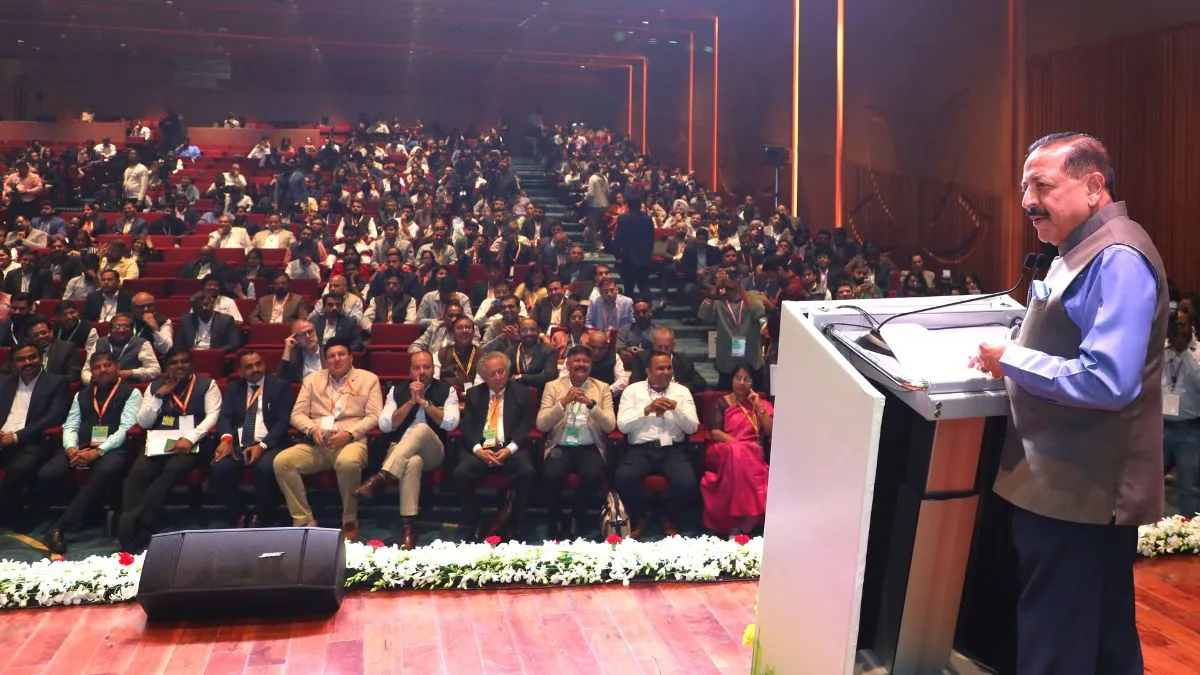
India is working on a plan to use hydrogen as a clean energy source to make sure the country has enough power and is strong in making things.
A minister said that India wants to not just use clean energy but invent it and be a leader in it.
This is important for India's growth and making sure it has energy.
To help this happen, four special areas called Hydrogen Valleys are being built.
These places will help with making, storing, moving, and using hydrogen.
Money from the government and from companies is being put into building these valleys.
People from the government, companies, and schools came together to talk about how to make this green hydrogen plan work.

Union Minister Jitendra Singh stated the hydrogen economy is crucial for India's energy security and industrial competitiveness.
India aims to invent and lead clean technologies, not just adopt them.
Clean energy is considered an economic, technological, and strategic imperative for India's growth.
Four Hydrogen Valleys are being developed with a total investment of Rs 485 crore to support the hydrogen ecosystem.
The initiatives are driven by collaboration between government, industry, and academia.
- Who
- Union Minister for Science and Technology Jitendra Singh, policymakers, scientists, researchers, and industry leaders
- What
- Affirmed that the hydrogen economy will be a key pillar of India’s energy security and industrial competitiveness, and announced the development of four Hydrogen Valleys.
- When
- Wednesday
- Where
- New Delhi
- Why
- To discuss and advance India's clean energy transformation, focusing on the hydrogen economy as a strategic imperative for growth and leadership in clean technologies.
- Conference Name
- 3rd International Conference on Green Hydrogen
- Location
- New Delhi
- Key Speaker
- Jitendra Singh (Union Minister for Science and Technology)
- Initiatives
- Development of four Hydrogen Valleys
- Total Investment for Hydrogen Valleys
- Rs 485 crore
- Government Contribution (NGHM)
- Rs 169.89 crore
- Industry/Consortium Contribution
- Rs 315.43 crore