

Archive · 20 Jul 2026
10 UNESCO Sites at Their Greenest During Monsoon
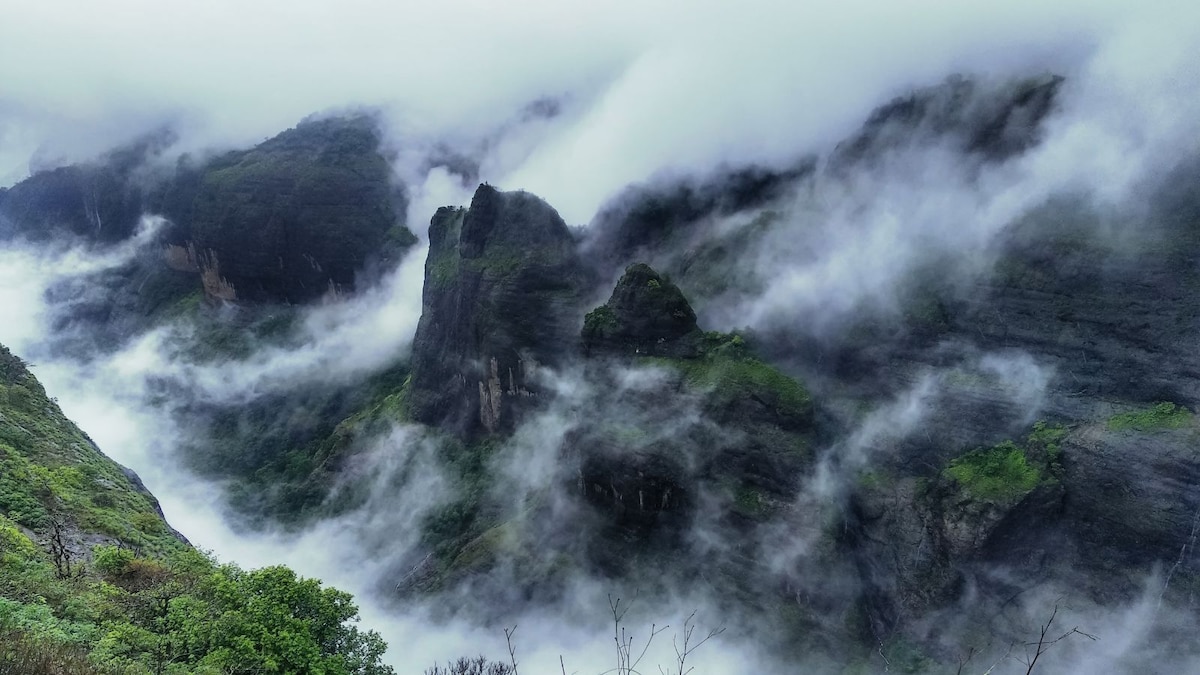
During the monsoon season, many UNESCO World Heritage Sites around the world become exceptionally green and vibrant.
These sites, located in various countries, offer lush landscapes, roaring waterfalls, and rich biodiversity.
For example, the Western Ghats in India turn exceptionally lush, while the Valley of Flowers in the Garhwal Himalayas comes alive with rare wildflowers.
Bwindi Impenetrable National Park in Uganda offers lush landscapes and abundant birdlife.
The Wet Tropics of Queensland in Australia transform into a vibrant, misty spectacle.
Sichuan Giant Panda Sanctuaries in China offer dramatic landscapes and wildlife photography opportunities.
The Sundarbans in India, the largest mangrove forest, becomes a habitat for migratory and resident waterfowl.
Plitvice Lakes National Park in Croatia combines cascading lakes and waterfalls that swell dramatically in the rain.
Sinharaja Forest Reserve in Sri Lanka becomes a vibrant, emerald-green paradise.
Vallee de Mai in Seychelles thrives with fresh, earthy vibrancy.
Gunung Mulu National Park in Malaysia offers lush greenery and powerful waterfalls.
These sites are perfect for nature lovers and offer unique experiences during the monsoon season.

Western Ghats in India turn exceptionally lush during monsoon with cascading waterfalls and dense forests.
Valley of Flowers in India comes alive with rare Himalayan wildflowers during monsoon.
Bwindi Impenetrable National Park in Uganda offers lush landscapes and abundant birdlife during the rainy season.
Wet Tropics of Queensland in Australia transforms into a vibrant, misty spectacle during the rainy season.
Sichuan Giant Panda Sanctuaries in China offer dramatic landscapes and wildlife photography opportunities during the monsoon.
- Who
- UNESCO World Heritage Sites
- What
- Natural sites that become exceptionally green during the monsoon season
- When
- During the monsoon season
- Where
- Various locations around the world
- Why
- To highlight the natural beauty and biodiversity of these sites during the monsoon
Tourism Benefits
Environmental Concerns
Economic Impact
Tourism Benefits
Monsoon tourism boosts local economies through increased visitor spending.
Environmental Concerns
Tourism can lead to environmental degradation and habitat disruption.
Accessibility
Tourism Benefits
Monsoon enhances the natural beauty, attracting more tourists.
Environmental Concerns
Heavy rains can make some sites inaccessible or dangerous.
- Western Ghats
- Ancient biodiversity hotspot in India, lush during monsoon.
- Valley of Flowers
- High-altitude meadow in India, vibrant during monsoon.
- Bwindi Impenetrable National Park
- Primaeval rainforest in Uganda, home to mountain gorillas.
- Wet Tropics of Queensland
- Oldest tropical rainforest in Australia, vibrant during rainy season.
- Sichuan Giant Panda Sanctuaries
- Largest contiguous panda habitat in China, lush during monsoon.
- The Sundarbans
- Largest mangrove forest in the world, habitat of Royal Bengal tiger.
- Plitvice Lakes National Park
- Croatian site with 16 lakes and 90+ waterfalls, dramatic in rain.
- Sinharaja Forest Reserve
- Primary tropical rainforest in Sri Lanka, vibrant during rainy season.
- Vallee de Mai
- Ancient palm forest in Seychelles, vibrant during monsoon.
- Gunung Mulu National Park
- Bornean site with karst formations and cave networks, lush during heavy rains.