Archive · 26 Sep 2025
NYC Rats Have Secret Ultrasonic Language, Study Finds
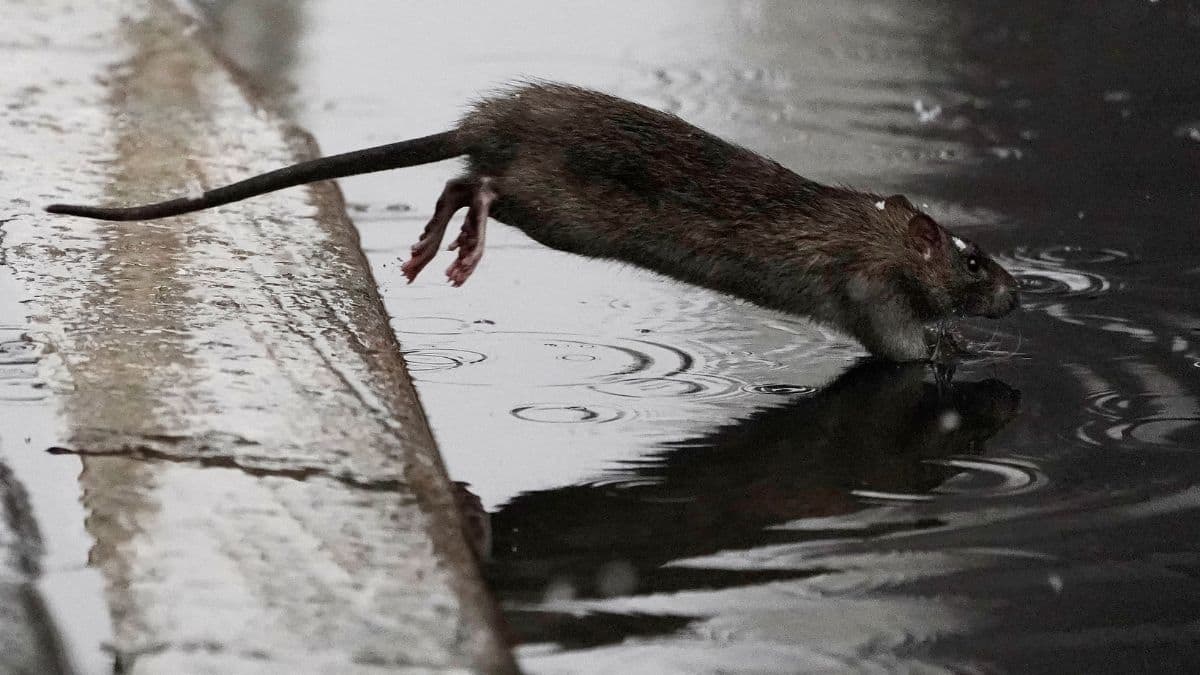
Scientists are studying NYC rats and found some surprising things.
They use high-pitched squeaks we can't hear to talk to each other.
These calls change depending on where the rats are, like quieter parks or noisy subway stations.
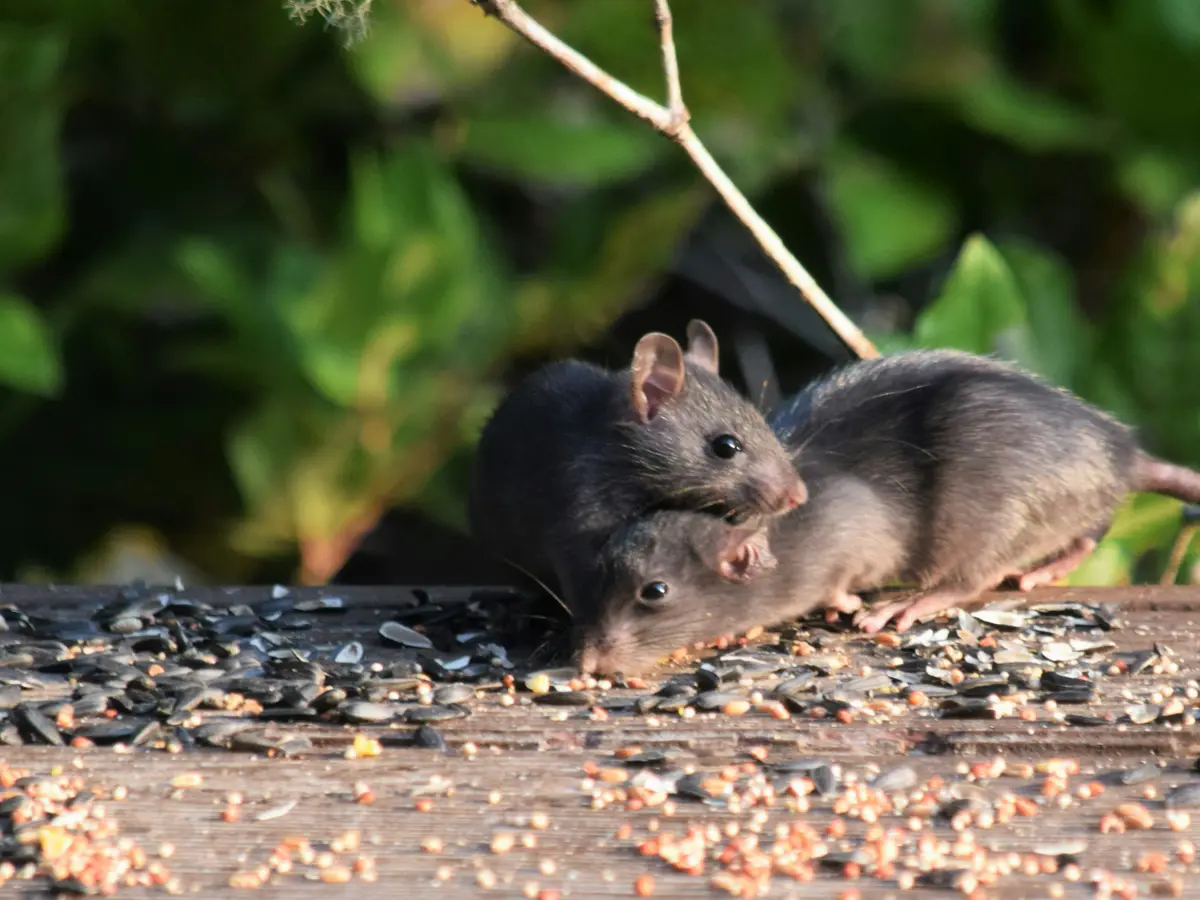
The study also showed how rats act in groups and how they adapt to city life.
This information could help the city better manage the rat population.

NYC rats use ultrasonic squeaks to communicate, a 'secret language' to humans.
Rats adjust their ultrasonic calls based on the noise levels of their environment.
Researchers used ultrasonic recorders and thermal cameras to study rat behavior.
Rats exhibit different social behaviors depending on age and size.
The study aims to inform city planning and improve rat management.
- Who
- Researchers, including Emily Mackevicius and Ralph Peterson
- What
- Study of New York City rat communication and behavior
- When
- Ongoing, data collected over the summer
- Where
- New York City (parks, sidewalks, subway)
- Why
- To understand rat behavior and inform urban management strategies
Rat Behavior Complexity
Urban Pest Management
Social Dynamics
Rat Behavior Complexity
Study highlights complex social structures within rat communities based on age and size.
Urban Pest Management
Understanding rat social structures is crucial for devising effective management strategies.
Communication
Rat Behavior Complexity
Rats possess sophisticated communication systems via ultrasonic calls, indicating complex social interaction.
Urban Pest Management
Studying rat communication could reveal opportunities to control population growth through disrupting key behaviors
- Study Focus
- Rat behavior in NYC
- Rat Species
- Rattus norvegicus (brown rat)
- Communication Method
- Ultrasonic squeaks
- Study Locations
- Parks, sidewalks, subway platforms
- Study Methods
- Ultrasonic recorders, thermal cameras, AI