

1 year ago
UP Education Minister Defends Policies Amidst Enrollment Debate
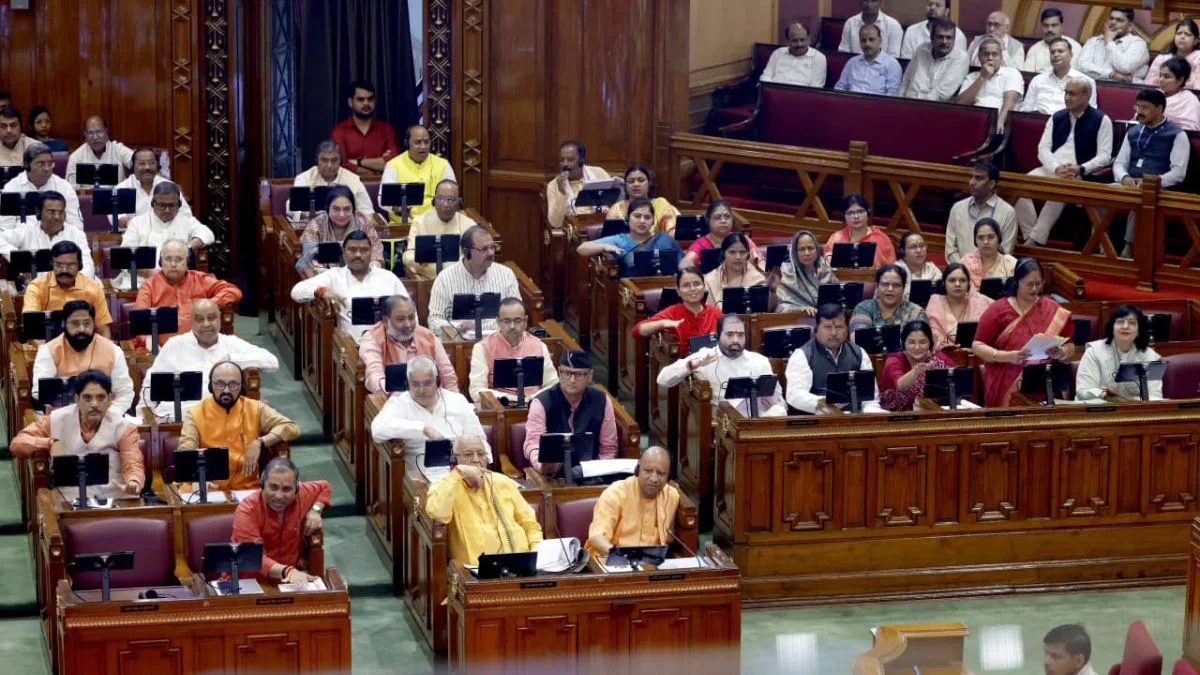
The Uttar Pradesh Education Minister defended the state's education system against criticism.
He highlighted the large number of students enrolled and emphasized that no schools have been shut down.
The minister also addressed the admission age, clarifying it cannot be raised due to existing laws.
He explained the merger of smaller schools aims to improve resources and access, with collaborations to provide pre-primary education.

Uttar Pradesh Education Minister Sandeep Singh refuted criticism regarding education standards.
Singh stated that over 1.48 crore students are enrolled in council schools.
He clarified no schools have been closed despite school pairing.
Singh said raising the admission age to four years is not possible due to the Right to Education Act.
Over 3,000 schools have partnered with ICDS to run pre-primary classes.
- Who
- Uttar Pradesh Basic Education Minister Sandeep Singh.
- What
- Education Minister defends education policies and enrollment figures in Uttar Pradesh.
- Where
- Uttar Pradesh Legislative Assembly.
- When
- Tuesday (implied, from the article).
- Why
- To address criticism and clarify government policies on education, school mergers, and enrollment.
Critics' View
Government's View
Education Standards and Policies
Critics' View
Concerns about student enrollment, teacher recruitment, and school mergers.
Government's View
Details not available.
Politicization of Education
Critics' View
Accusations of politicizing education issues.
Government's View
Details not available.
Key facts
- Students in Council Schools
- Over 1.48 crore
- Primary School Teachers
- 3,38,590
- Upper Primary School Teachers
- 1,20,860
- Shiksha Mitras
- 1,43,450 (primary) and 25,223 (upper primary)
- School Pairing
- Schools with fewer than 50 students are paired.
- ICDS Partnership
- Over 3,000 schools
- ACCEs Appointed
- 19,484
Quotes
Uttar Pradesh Basic Education Minister Sandeep Singh
Minister of Basic Education in Uttar Pradesh
“This is the first part of the quote, and this is the second part which continues the same thought.”
 thestatesman.com
Sources

Related news

Puttaparthi MLA urges girl students to build future with self-confidence
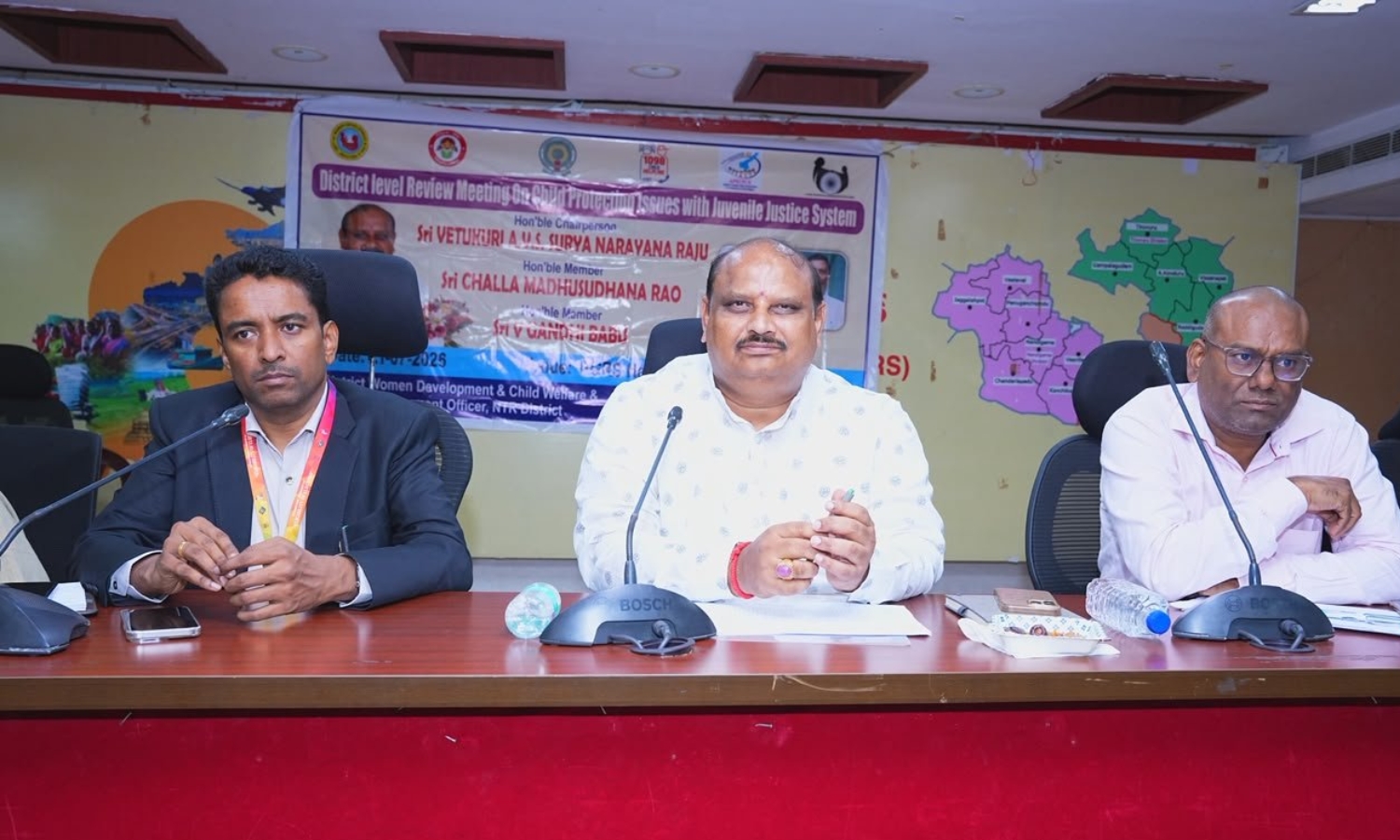
APSCPCR Directs Coordinated Action for Child Welfare
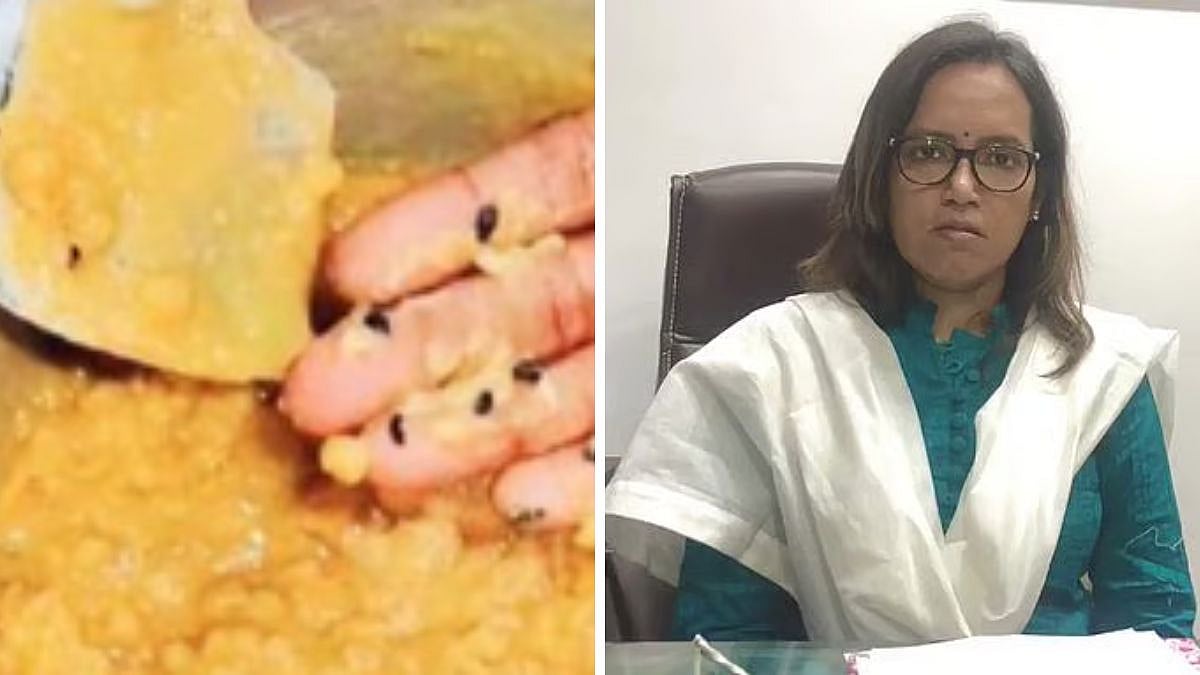
Worms Found in Mumbai Anganwadi Meal, Sparking Outrage

Sikkim MP Pushes for Anganwadi Centre Infrastructure Upgrades
