

Archive · 6 Oct 2026
G7 to Release 100 Million Barrels as Diesel Prices Surge
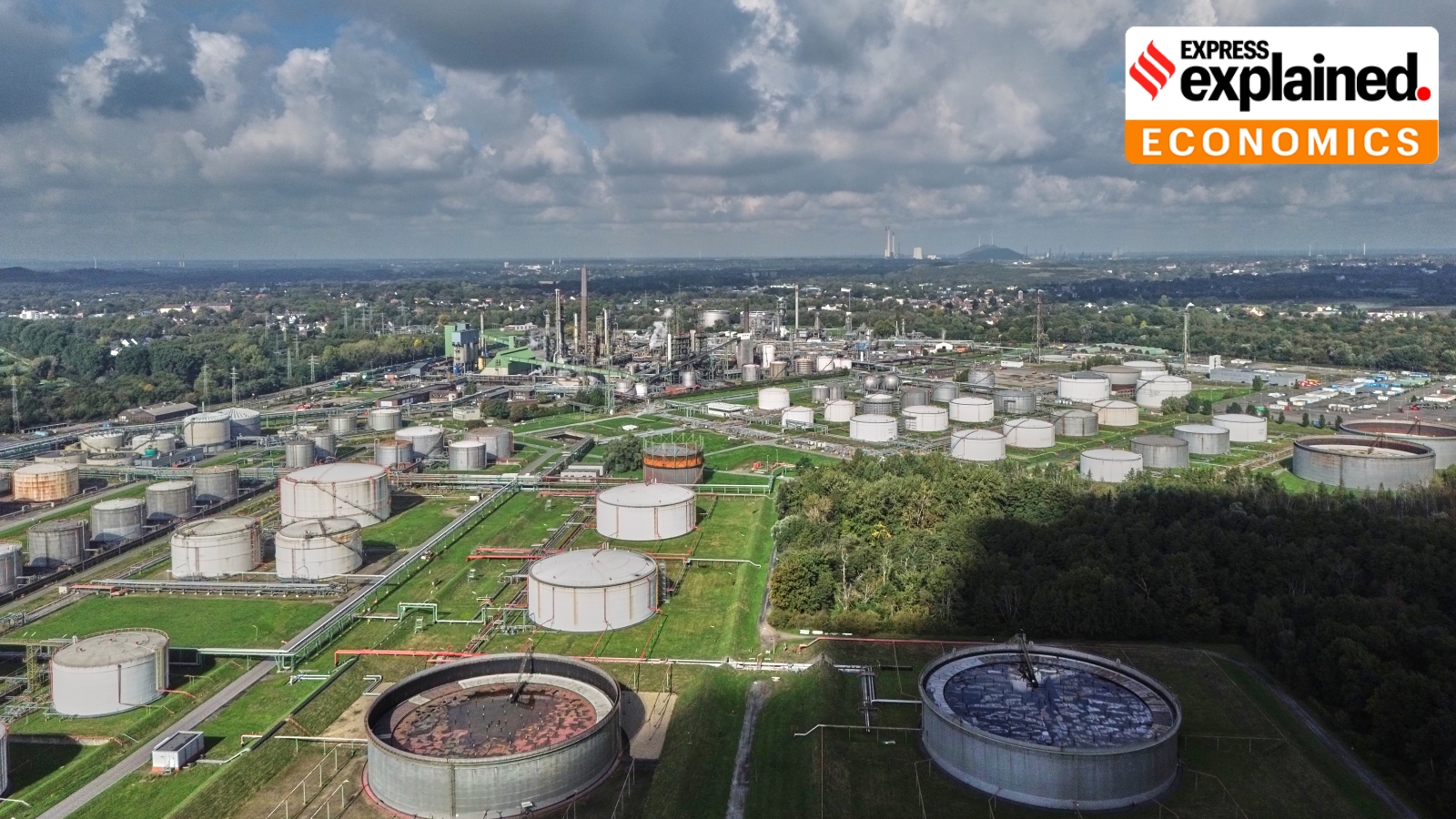
Diesel is a fuel used by trucks, farm machines, and many businesses.
Recently, wars and shipping problems have made it harder to move diesel around the world.
This has pushed prices up.
The G7 countries plan to release oil and fuel from emergency reserves, with a large amount of diesel coming early.
The United States also said it will keep exporting diesel instead of banning those sales.
These steps may help bring prices down for a while.
But they cannot fix the deeper problems affecting production and shipping.
In India, lower world prices could help businesses and ease inflation, while reducing some losses for fuel retailers.
They could also reduce the unusually high profits of some Indian refiners.

G7 countries agreed to release 100 million barrels of crude oil and petroleum products over four months, including substantial diesel supplies early on.
The group will coordinate releases through the International Energy Agency and consider further diesel releases if market conditions require.
The move follows tight supplies and high prices linked to disruption around the Strait of Hormuz and attacks on Russian energy infrastructure.
The United States said it would not ban diesel exports after President Donald Trump had publicly raised the possibility.
Experts expect the release to ease prices in the short term, but say lasting relief depends on improved fuel flows and reduced supply disruptions.
- Who
- G7 countries, coordinating through the International Energy Agency; the United States also said it would not ban diesel exports.
- What
- A planned release of 100 million barrels of crude oil and petroleum products, including substantial early diesel supplies, alongside continued US diesel exports.
- When
- The release is planned over four months, with substantial diesel volumes front-loaded in the first 20 days; the agreement was announced late last week.
- Where
- The measures target global fuel markets; the article also discusses effects on the United States and India.
- Why
- To ease tight fuel supplies and high prices amid disrupted flows through the Strait of Hormuz and attacks on Russian oil and gas infrastructure.
Arguments for restricting US diesel exports
Arguments against restricting US diesel exports
Domestic price relief
Arguments for restricting US diesel exports
Trump raised the possibility of an export ban amid record US diesel prices, with the aim of easing pressure on American consumers.
Arguments against restricting US diesel exports
The article says US pump prices are linked to international prices and domestic supply varies by region, so restricting exports may not reliably lower prices across the country.
Effects on supply and refining
Arguments for restricting US diesel exports
Keeping more diesel at home could appear to increase domestic availability.
Arguments against restricting US diesel exports
The American Petroleum Institute and petroleum industry groups warned that blocked exports could force refineries to cut production, reducing output of diesel, petrol, jet fuel and other products and potentially raising prices.
International market impact
Arguments for restricting US diesel exports
An export curb could reserve more US diesel for domestic use during a period of high prices.
Arguments against restricting US diesel exports
Industry participants said countries that regularly import American diesel could face tighter supply and higher prices if US exports were restricted.
- Planned release
- 100 million barrels of crude oil and petroleum products
- Release period
- Four months
- Early diesel supply
- Substantial diesel release in the first 20 days
- Coordination
- Through the International Energy Agency
- US diesel exports
- The United States said it would not ban them
- US export rate
- Exports averaged about 1.6 million barrels per day in August, compared with around 1 million in February
- Expected price effect
- Some downward pressure on international diesel prices, especially in the short term
- Key uncertainty
- How long relief lasts depends largely on whether flows from West Asia and Russia improve