

Archive · 25 Jul 2025
RBI: No Corporate Banking Licenses; UPI Costs Must Be Paid
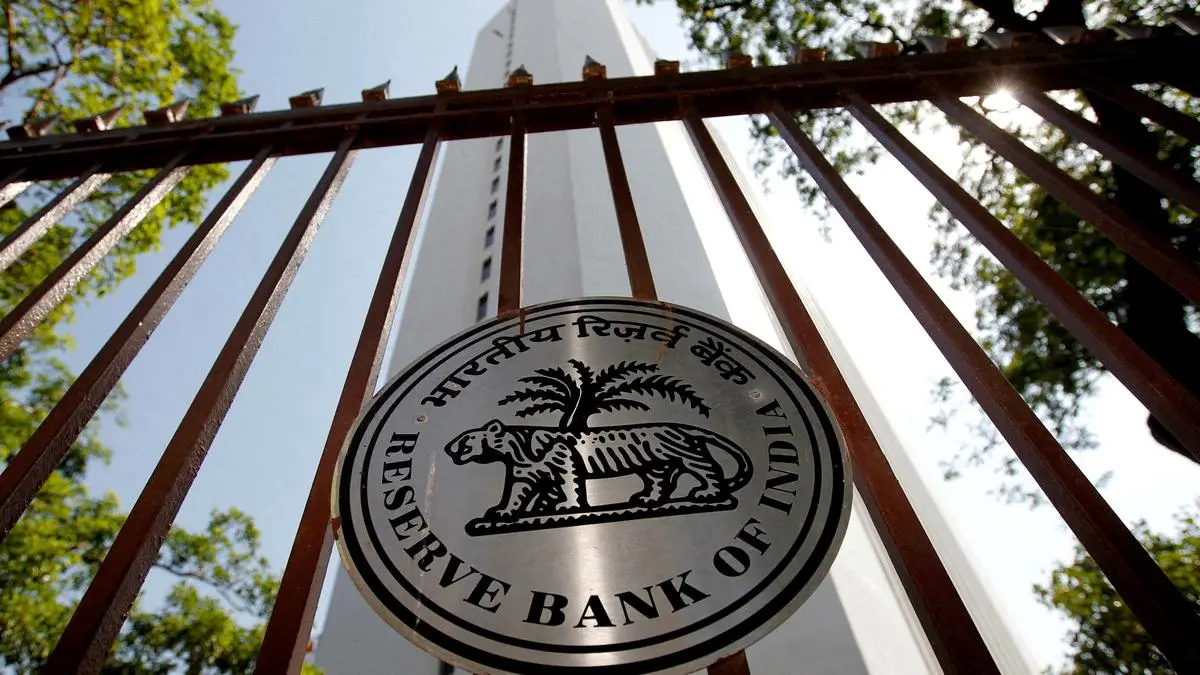
The Reserve Bank of India (RBI) won't let big companies directly own banks right now.
They are worried about conflicts of interest.
Companies can own a small part of a bank, but not enough to run it.
The RBI wants to make sure no single person or company has too much power over banks, which handle people's money.
The RBI also talked about how online payment systems like UPI are important but need to be paid for to keep working well.
Someone has to cover the costs.

RBI is not considering proposals for corporate banking licenses.
NBFCs can become Small Finance Banks (SFBs) or universal banks, but the criteria are the same.
Corporates can hold up to 10% equity in banks without control.
RBI maintains the 26% cap on voting rights to prevent undue control.
RBI believes that UPI and other payment systems must be sustainable, with costs being covered.
- Who
- Reserve Bank of India Governor Sanjay Malhotra.
- What
- RBI is not considering allowing corporates to obtain banking licenses and discussing payment system sustainability.
- When
- July 25, 2025 (publication date)
- Where
- BFSI summit.
- Why
- To maintain financial stability, prevent conflicts of interest, and ensure the sustainability of payment systems.
- RBI stance on corporate banking licenses
- Not considering
- NBFC pathway
- SFBs or universal banks (same criteria apply)
- Corporate Equity Ownership
- Up to 10% without control
- Voting Rights Cap
- 26%
- UPI transactions
- Doubled in two years to over 60 crore daily.