Archive · 24 Sep 2026
Iran Threatens Neighboring Airports Over U.S. Aviation Sanctions
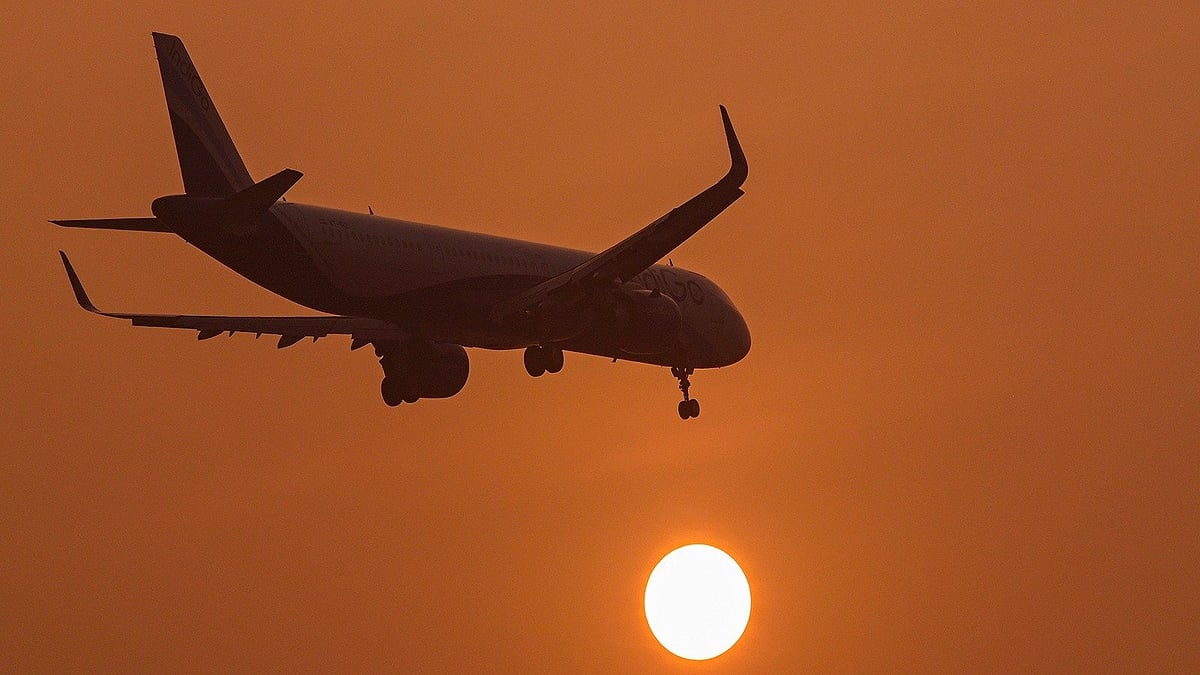
Iran warned nearby countries not to stop Iranian airplanes from flying.
Mohsen Rezaei said Iran could prevent those countries’ airports from working if they cooperate with the United States.
His comments were shown on Iranian state television.
The United States is placing pressure on companies that help Iranian airlines.
These companies provide services such as fuel, landing facilities and ticketing.
Scott Bessent said Iranian airlines would be forced to stop operating on September 23.
Some countries and airports have suspended Iranian flight operations.
However, some flights to China, Russia and Istanbul were still operating.

Mohsen Rezaei warned that neighboring countries could face airport disruption if they stop Iranian flights.
The warning followed United States sanctions targeting services for Iranian airlines, including fuel, landing facilities and ticketing.
U.S. Treasury Secretary Scott Bessent said Iranian airlines would be forced to stop operating on September 23.
Georgia and Azerbaijan confirmed suspensions involving Iranian carriers, while Baghdad and Muscat airports reportedly stopped accepting Iranian flights.
Some routes remained active, including flights to China, Russia and Istanbul, despite the restrictions.
- Who
- Mohsen Rezaei, secretary of Iran’s Supreme National Security Council, and U.S. Treasury Secretary Scott Bessent are the main officials cited.
- What
- Iran threatened to disrupt neighboring countries’ airports if they restrict Iranian flights, while the United States imposed or threatened sanctions affecting Iranian aviation services.
- When
- Rezaei spoke on Wednesday; Bessent announced the deadline on Monday and said Iranian airlines would be forced to stop operating on September 23.
- Where
- The warning concerned neighboring and regional countries, while Rezaei spoke on Iranian state television. Flights and airport restrictions affected routes involving Georgia, Azerbaijan, Baghdad, Muscat and other destinations.
- Why
- Iran said it would retaliate against countries cooperating with U.S. aviation sanctions, while the United States sought to restrict Iranian airlines through secondary sanctions on service providers.
Iran’s Retaliation Warning
U.S. Sanctions Campaign
Restrictions on Iranian flights
Iran’s Retaliation Warning
Iran warned that neighboring countries restricting Iranian flights could have their own airports disrupted.
U.S. Sanctions Campaign
The United States is pressuring Iranian airlines by threatening secondary sanctions against companies providing aviation services.
Regional participation
Iran’s Retaliation Warning
Iran urged regional countries not to join what Rezaei described as Washington’s actions against Tehran.
U.S. Sanctions Campaign
The United States argues through its measures that restricting aviation services can reduce Iranian airlines’ international operations.
Impact on air travel
Iran’s Retaliation Warning
Iran’s Civil Aviation Organisation said some airports had stopped accepting Iranian flights, while Iran sought alternatives and retained some routes.
U.S. Sanctions Campaign
Bessent said the campaign had significantly affected Iran’s international air connectivity, with a large share of external flights suspended.
- Iranian official
- Mohsen Rezaei, secretary of Iran’s Supreme National Security Council
- U.S. official
- Scott Bessent, U.S. Treasury Secretary
- Iran’s warning
- Iran said neighboring countries’ airports could be prevented from functioning if they stop Iranian flights.
- U.S. measures
- Sanctions target companies providing fuel, landing facilities, ticketing and other services to sanctioned Iranian carriers.
- Stated deadline
- September 23, according to Bessent.
- Confirmed suspensions
- Georgia and Azerbaijan confirmed suspensions involving Iranian carriers; Baghdad and Muscat also stopped accepting Iranian flights, according to Iran’s Civil Aviation Organisation.
- Continuing routes
- Flights connecting Iran with China, Russia and Istanbul were reportedly still operating.