4 days ago
Centre Notifies 375 Works Under Expanded VB-G RAM G Framework
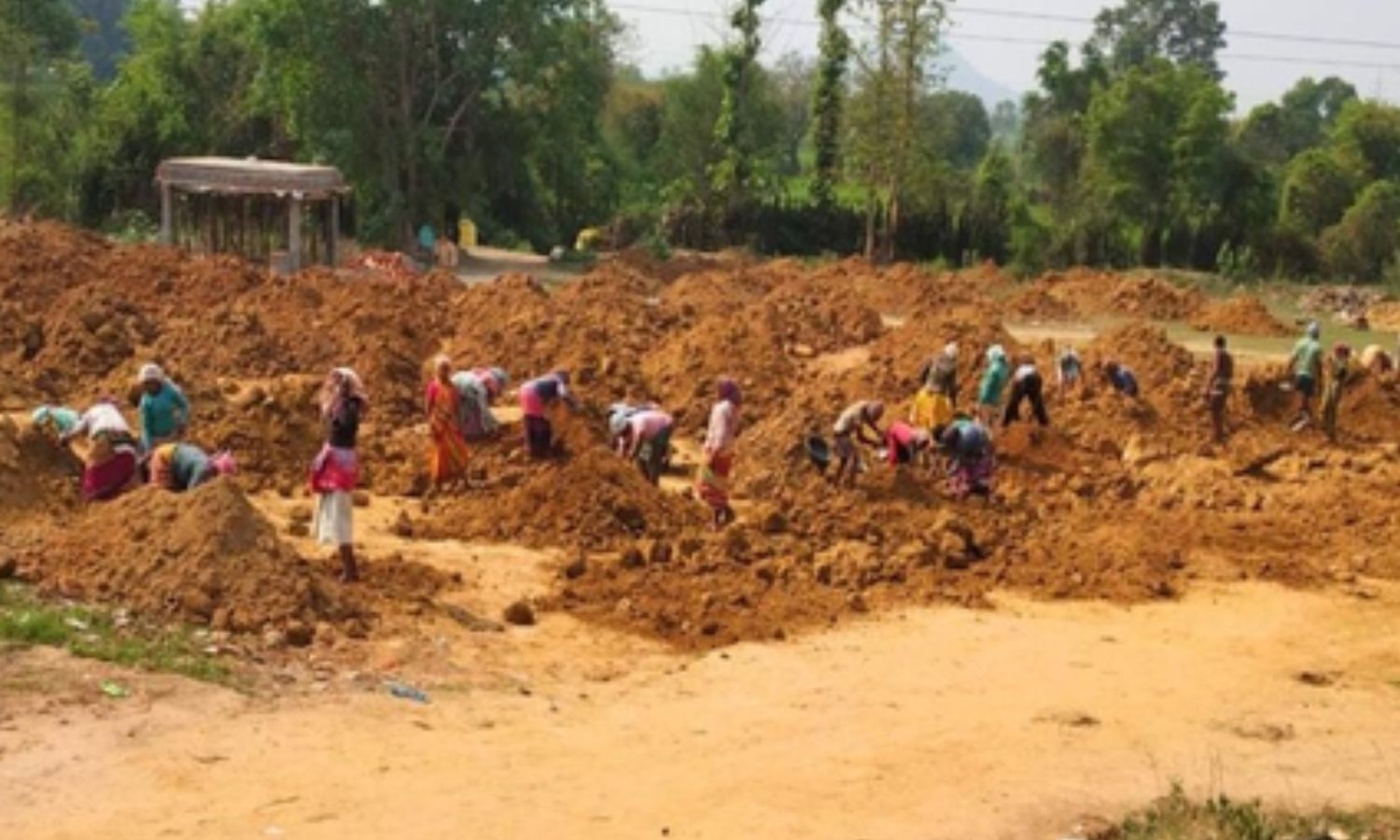
The government has approved 375 kinds of projects that can be done through a rural jobs framework in India.
That is 41% more than the previous list.
The projects include ways to save water, improve village facilities, support local livelihoods, and prepare for disasters.
Water-related projects are the biggest group, with 128 types of work.
Other projects can include health centres, school facilities, storage buildings, and flood shelters.
Local communities will help decide which projects are needed.
The law promises 125 days of paid work each year for each rural household.
Opposition parties have concerns about how the scheme is funded and how work may be allocated or paused.

The Ministry of Rural Development notified 375 permissible works under the VB-G RAM G framework, a 41% increase over the previous list of 266.
The works span water security (128), core rural infrastructure (111), livelihood infrastructure (98), and disaster preparedness (38).
The schedule includes projects such as water-harvesting structures, rural health and school facilities, livelihood infrastructure, and disaster shelters.
The ministry says works will be identified through decentralised planning, with local communities helping determine priorities.
The Act provides 125 days of guaranteed wage employment per rural household annually; the opposition has criticised its funding and allocation provisions and seasonal work pauses.
- Who
- The Ministry of Rural Development notified the works under the VB-G RAM G framework.
- What
- A schedule of 375 permissible rural works was notified, divided into four categories.
- Where
- Rural areas across India.
- When
- The notification was issued on October 5; the articles also state that the Act came into force on July 1, without specifying the year for either date.
- Why
- The ministry says the framework aligns wage employment with creating durable rural assets and development outcomes.
Government and ministry
Opposition
Purpose and scope
Government and ministry
The ministry says the expanded schedule links wage employment with durable rural assets and measurable development outcomes.
Opposition
The articles report opposition objections to the removal of Mahatma Gandhi's name from the scheme and concerns about the new framework.
Funding and allocations
Government and ministry
The Act introduces a 60:40 Centre-state funding ratio for most states; the Centre determines state-wise normative allocations.
Opposition
The opposition has raised concerns over the revised funding pattern and allocation mechanism.
Seasonal work pause
Government and ministry
The Act allows states to pause work during peak agricultural seasons for up to 60 days a year.
Opposition
The opposition has raised concerns about this provision.
Key facts
- Permissible works
- 375, compared with 266 under the previous framework; a 41% expansion
- Water security
- 128 works
- Core rural infrastructure
- 111 works
- Livelihood-related infrastructure
- 98 works
- Disaster preparedness
- 38 works
- Guaranteed employment
- 125 days per rural household annually
- Planning
- Works are to be identified through decentralised planning, with local communities helping determine priorities
Quotes

Ministry of Rural Development
The Indian government ministry responsible for the rural employment framework.
“The new framework seeks to move beyond a conventional list of asset types and align wage employment with the creation of durable rural assets and measurable development outcomes.”
 thehansindia.com
“The new Schedule represents a 41 per cent expansion over the 266 works under the previous framework.”
thehansindia.com
Sources

Related news
SKM Flags Rural Workday Drop, Demands MGNREGA Restoration

Karnataka Government Plans Rs 150 Crore Lake Rejuvenation Project
Andhra Pradesh Leaders Launch Rs 30,156 Crore Rural Water Projects
Naidu Launches ₹30,156 Crore Rural Water Mission Works
Telangana Assembly Seeks Central Aid for Rainfall Deficit
Centre Expands Farm Support to Boost Rural Livelihoods
Rural Job Demand Rises as Chittoor Wages Remain Delayed
Sharad Pawar Seeks Drought Declaration, Farm Loan Waiver in Maharashtra

Rahul Gandhi Urges Madhya Pradesh to Fix Tribal Welfare Gaps
Maharashtra Announces Loan Relief and Wider Drought Coverage for Farmers