Archive · 8 Oct 2026
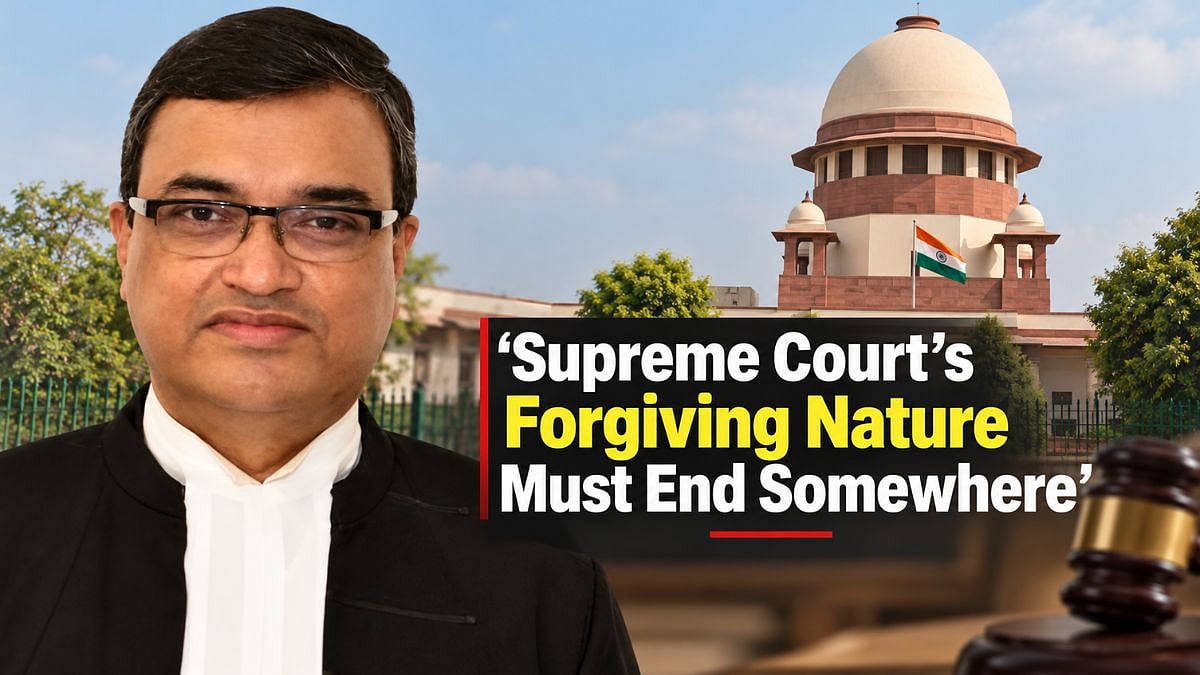
Justice Datta Says Death Sentence Commutations Need Clear Limits
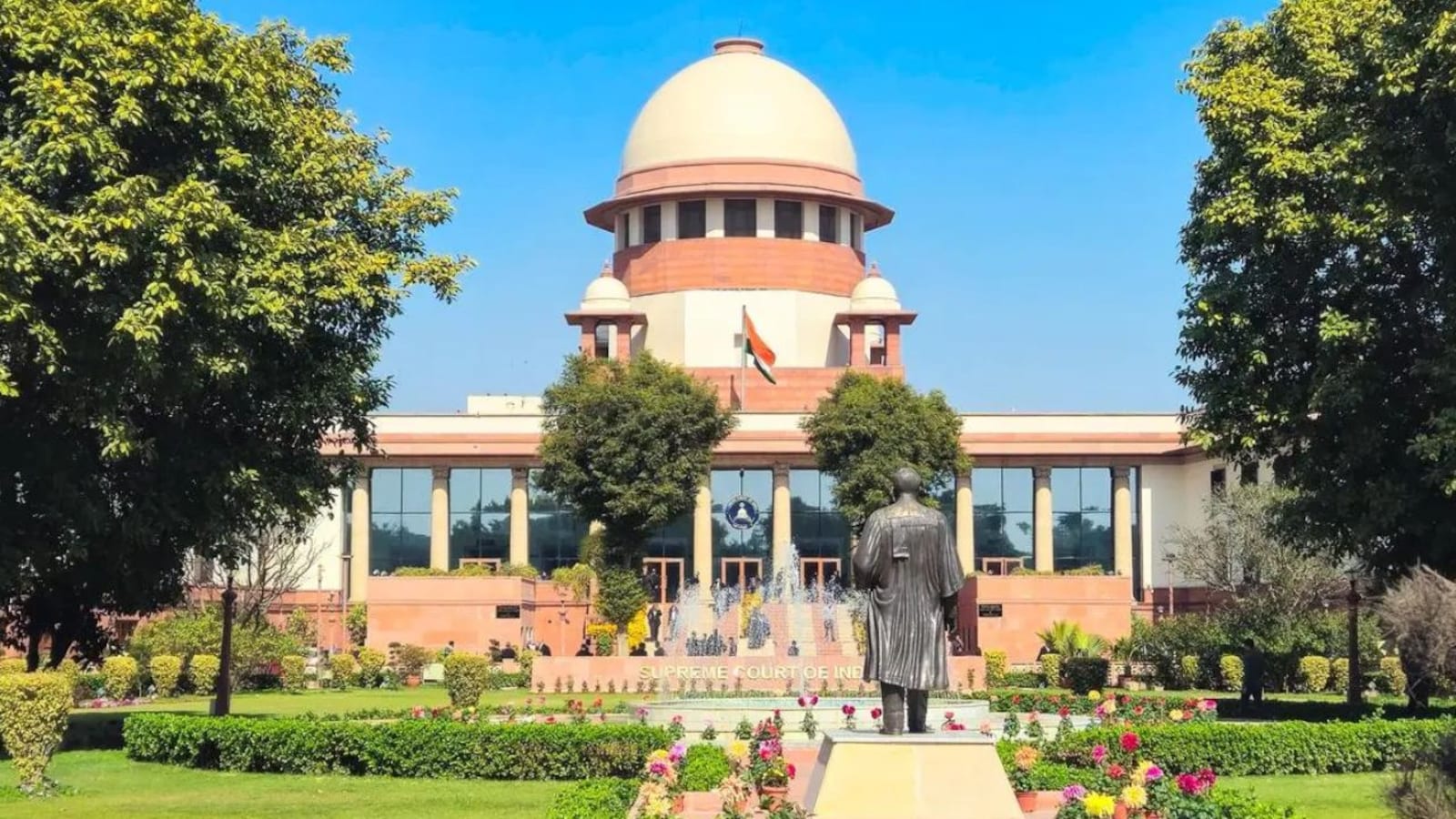
The Supreme Court was hearing a request to release a person serving a life sentence early.
That person’s death sentence in a murder case had been changed to life in prison.
Justice Dipankar Datta said the court should draw limits on changing death sentences to life sentences.
He said the court’s forgiving approach was contributing to rising crime.
He also referred to the “rarest of rare” rule used in death penalty cases.
To explain his concern, he recalled a case involving a father who raped and murdered his elder daughter.
The man later killed his wife while he was out on parole.
A court sentenced him to death for that murder, but the Supreme Court later changed the sentence to life imprisonment.
Datta said the example showed why he believed leniency should have limits.

A Supreme Court bench of Justices Dipankar Datta and Sheel Nagu heard a plea seeking premature release for a life convict.
The convict’s death sentence in a murder case had been commuted to life imprisonment.
Justice Datta said the court’s forgiving approach to commuting death sentences was contributing to rising crime and must have limits.
He referred to the “rarest of rare” doctrine and said times had changed.
Datta recalled a case in which a man convicted of raping and murdering his elder daughter later killed his wife while on parole; the man’s later death sentence was commuted to life.
- Who
- Justices Dipankar Datta and Sheel Nagu heard the plea; Justice Datta made the remarks.
- What
- The bench heard a plea for premature release while Datta questioned the court’s approach to commuting death sentences.
- When
- Thursday, October 8, according to one report.
- Where
- The Supreme Court of India, New Delhi.
- Why
- The plea sought early release for a life convict; Datta raised concern about leniency in death sentence commutations and rising crime.
Judicial mercy
Limits on commutations
Commuting death sentences
Judicial mercy
The articles do not provide an argument defending commutations or explain the legal grounds in the case beyond the stated reason in the example Datta recalled.
Limits on commutations
Justice Datta said the court’s forgiving approach to commuting death sentences must have limits and was contributing to rising crime.
- Court
- Supreme Court of India
- Bench
- Justices Dipankar Datta and Sheel Nagu
- Matter heard
- A plea seeking premature release of a life convict
- Sentence at issue
- The convict’s death sentence in a murder case had been commuted to life imprisonment.
- Datta’s concern
- He said the court’s forgiving approach to commutations was contributing to rising crime and that a line must be drawn.
- Doctrine mentioned
- The “rarest of rare” doctrine
- Case recalled
- A father who raped and murdered his elder daughter later killed his wife while on parole; his death sentence for the later murder was commuted to life imprisonment.
Sources

SC Judge Observes Excessive Leniency Fuels Crime

‘This has to come to an end’: Supreme Court on leniency in death sentence commutation - Telegraph India

Increase in crime due to Supreme Court’s forgiving nature: Justice Datta in remission plea
'Have To Draw A Line': Top Court Judge Speaks Against Commuting Death Penalty