Archive · 28 Sep 2026
Starship’s 14th Flight Reaches Orbit, Deploys Starlink V3 Satellites
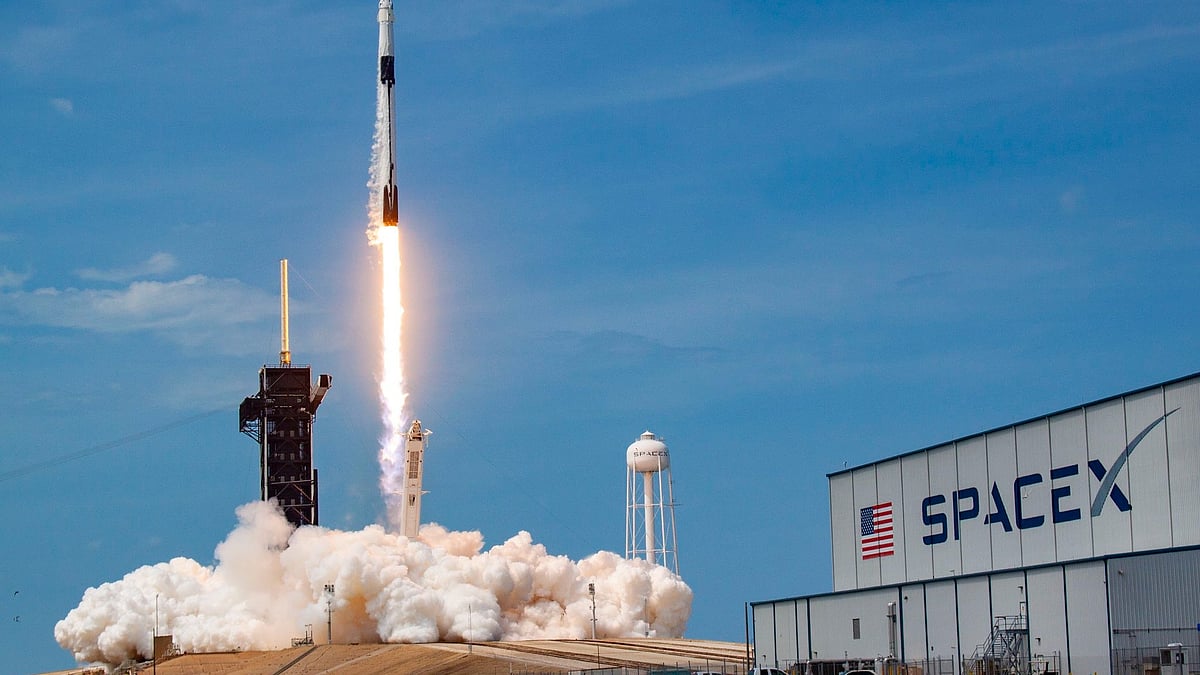
SpaceX flew Starship on its 14th test mission.
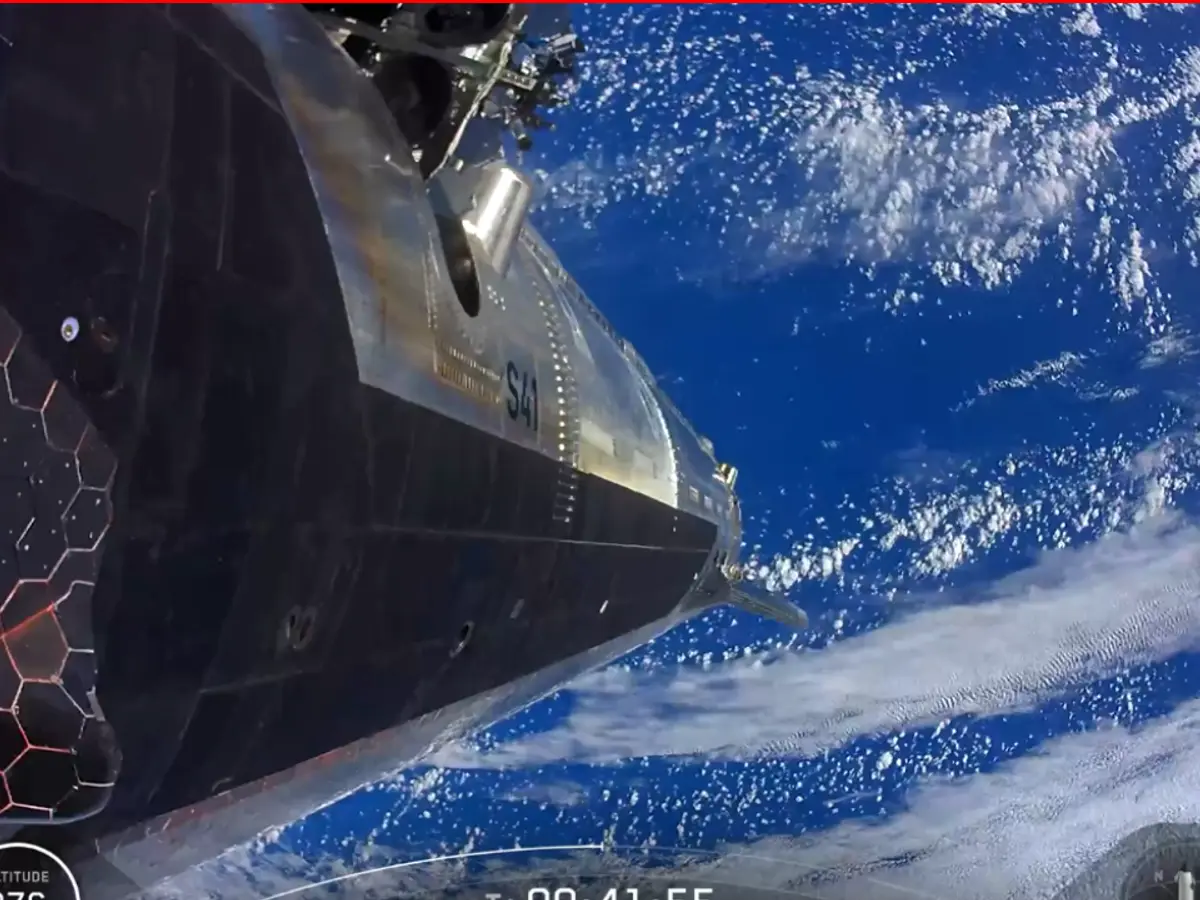
This time, the spacecraft reached orbit around Earth for the first time.
It traveled around Earth about six times during a flight expected to last nearly 10 hours.
Starship carried 26 Starlink V3 satellites.
It began releasing the satellites after reaching orbit.
Engineers made contact with two satellites soon after they were deployed.
The spacecraft was planned to leave orbit and splash down in the Pacific Ocean west of Chile.
The Super Heavy booster was also expected to try landing offshore in the Gulf of America.
SpaceX says the test could help make Starship reusable for missions to the Moon and Mars.

SpaceX’s 14th Starship test flight reached Earth orbit for the first time.
The mission completed about six orbits during an expected flight lasting nearly 10 hours.
Starship deployed 26 Starlink V3 satellites, and engineers established contact with two.
The launch window was reported as 7:15 a.m. Central Time, or 8:15 a.m. Eastern Time, from Starbase, Texas.
The mission tests Starship’s reusability for future Moon and Mars missions while expanding Starlink capacity.
- Who
- SpaceX, using its Starship spacecraft and Super Heavy booster.
- What
- Starship’s 14th test flight reached orbit and deployed 26 Starlink V3 satellites.
- When
- The flight took place on Monday; the launch window opened at 7:15 a.m. Central Time, or 8:15 a.m. Eastern Time.
- Where
- The launch took place from Starbase, Texas; Starship was targeted to splash down in the Pacific Ocean west of Chile, while the booster was to attempt an offshore Gulf of America landing.
- Why
- The mission tests Starship’s orbital flight and reusability while deploying larger Starlink V3 satellites for future network capacity.
- Mission
- Starship’s 14th test flight and first successful orbital flight
- Launch site
- Starbase, Texas
- Orbital profile
- About six orbits at approximately 275 kilometers altitude
- Mission duration
- Nearly 10 hours
- Satellite deployment
- 26 Starlink V3 satellites
- Satellite capacity
- Each satellite is designed to add about 1 Tbps, or 26 Tbps combined
- Booster landing
- Super Heavy was planned to attempt an offshore landing in the Gulf of America without a tower catch