

Archive · 12 Aug 2025
Decoding the 'Gen-Z Stare': A Generational Shift?
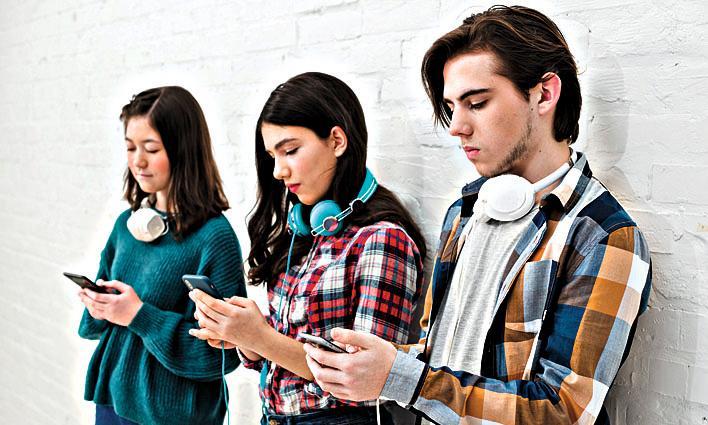
The 'Gen-Z Stare' is when young people zone out and don't make eye contact.
Some people think it's rude, but Gen Z says they just need space or are thinking.
The pandemic may have changed how they socialize, making it hard to talk face-to-face.
Experts suggest that understanding, listening, and creating a safe space can help improve communication.

The 'Gen-Z Stare' is a prolonged, expressionless gaze observed in various social settings.
Some Gen-Z individuals are perceived as detached, offering minimal eye contact or responses.
Some Gen Z members cite the need for personal space, detachment or feeling tired as reasons for the stare.
The COVID-19 pandemic's impact on adolescent social interaction is thought to be a contributing factor.
Experts suggest that open communication and creating safe spaces could help improve this generational gap.
- Who
- Gen-Z individuals and those interacting with them.
- What
- The 'Gen-Z Stare,' a prolonged, blank gaze observed in Gen-Z individuals.
- When
- The trend has become more apparent recently.
- Where
- Observed in various social and professional settings.
- Why
- Possible reasons include need for space, detachment, fatigue, and effects of the pandemic.
Criticisms
Defenses
Perception of the Stare
Criticisms
Many adults view the stare as a lack of interest or rudeness.
Defenses
Gen-Z views it as a need for personal space, fatigue or being lost in thought.
- Main Issue
- Expressionless gaze
- Common Observation
- Lack of eye contact
- Reported in
- Airport shops, malls, and salons.
- Potential Cause
- Pandemic and online communication
- Expert Suggestion
- Open communication