

Archive · 14 Jan 2026
Rajghat Power Plant Reuse Proposal Revived
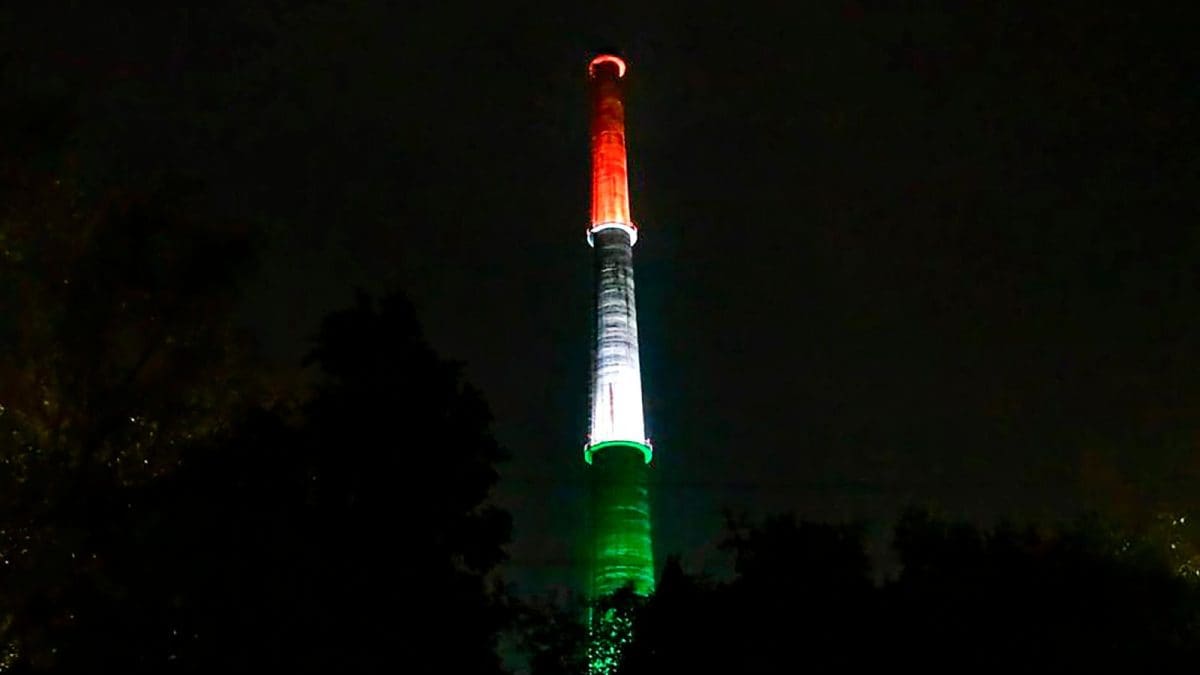
The Rajghat Power Plant in New Delhi has been closed since 2015.
For the past decade, the government has had many ideas for what to do with the empty land, but nothing has happened yet.
Now, they want to turn it into a fun place for people to visit at night, with restaurants, shops, and games.
They also want to keep some of the old power plant buildings as a museum.
However, there are some problems to solve, like making sure the buildings are safe and improving transportation to the area.
The government hopes this new plan will finally work and give Delhi residents a new place to enjoy.

The Delhi government proposes to redevelop the 45-acre Rajghat Power Plant site into a nightlife, cultural, and culinary hub.
Previous plans since 2015 included converting the plant into a waste-to-energy plant, solar park, and electricity museum, but none materialized.
The current proposal aims to preserve the main power plant structure and create a multipurpose recreational and commercial space with educational elements.
Challenges include structural and brownfield audits, accessibility, and connectivity improvements, especially for night-time use.
The project is in the planning stage, with a private-public partnership being explored, and requires approval from the lieutenant governor of Delhi.
- Who
- Delhi government and Delhi Development Authority (DDA)
- What
- Proposal to redevelop Rajghat Power Plant into a 'unique entertainment destination'
- When
- Proposal revived in 2025, with planning ongoing; power plant shut in 2015
- Where
- Rajghat, New Delhi, near ITO intersection and Yamuna river
- Why
- To create a nightlife, cultural, and culinary hub, and to utilize the vacant land productively
- Location
- New Delhi, near ITO intersection and Yamuna river
- Land Area
- 45 acres
- Power Plant Capacity
- 135 MW
- Proposed Uses
- Nightlife, cultural, culinary hub, 5D-museum, commercial markets, entertainment facilities
- Challenges
- Affordability, traffic congestion, late-night accessibility, structural and brownfield audits, connectivity