0 months ago
Elephant safari ridership falls 70% in seven years, operators alarmed

At a big old fort in Jaipur, India, called Amer Fort, people used to ride elephants up the hill like a special adventure.
A lot of tourists loved doing this, and in one year almost 165,000 people rode the elephants.
But now, seven years later, only about 48,000 people take elephant rides.
That is a drop of about 70 percent.
Part of the reason is that the COVID-19 sickness kept people at home for a while, and fewer rides happened then.
Another reason is that many visitors, especially from other countries, now care more about animal welfare and do not want to ride elephants.
Some travel companies have even taken elephant rides out of their tour packages.
People who take care of the elephants are worried because feeding one elephant costs about 4,000 rupees a day.
If fewer people ride, it is harder to pay for the elephants' food and care.
The news came out just before World Elephant Day, which is on August 12, a day to remember to protect elephants.

Elephant safari ridership at Jaipur's Amer Fort fell about 70 percent in seven years, from 1,64,608 tourists in 2018-19 to 48,474 in 2025-26.
Ridership plunged to 2,922 in 2020-21 during the COVID-19 pandemic, then recovered to a peak of 79,090 in 2023-24 before declining again.
The decline is attributed to a fall in foreign tourist arrivals and changing visitor preferences, with many visitors now choosing jeep safaris over animal-based experiences.
Tourism experts say international animal welfare campaigns and tour operators removing elephant rides from packages have reduced foreign demand.
Ballu Khan, president of the Hathi Gaon Development Committee, warned the decline could affect elephants' upkeep, with daily diet costs around Rs 4,000 per elephant.
- Who
- Tourists, elephant safari operators and caretakers, tourism experts Mahesh Sharma and Ashok Chaudhary, and Hathi Gaon Development Committee president Ballu Khan.
- What
- Elephant safari ridership at Amer Fort declined by around 70 percent over seven years.
- Where
- Amer Fort (also called Amber Fort), Jaipur, India.
- When
- Between 2018-19 and 2025-26, with the report published on August 11 ahead of World Elephant Day on August 12.
- Why
- Falling foreign tourist arrivals, changing visitor preferences, and international animal welfare campaigns have reduced demand for elephant rides.
Animal welfare advocates
Elephant safari operators and caretakers
Elephant rides at Amer Fort
Animal welfare advocates
International animal welfare campaigns and tour operators that dropped elephant rides from packages discourage the practice, and many visitors now prefer jeep safaris and other animal-free activities.
Elephant safari operators and caretakers
Operators and the Hathi Gaon Development Committee say the falling ridership, driven partly by fewer foreign tourists, threatens the upkeep of elephants, whose daily diet alone costs around Rs 4,000.
Key facts
- Location
- Amer Fort, Jaipur
- Ridership 2018-19
- 1,64,608 tourists
- Ridership 2025-26
- 48,474 tourists
- Overall decline
- About 70 percent; more than one lakh fewer visitors
- Pandemic year 2020-21
- 2,922 rides
- Post-pandemic peak 2023-24
- 79,090 rides
- Daily elephant diet cost
- Around Rs 4,000
- Occasion
- World Elephant Day, August 12
Quotes
Ashok Chaudhary
Tourism expert and analyst
“Many international tour operators and travel companies have removed elephant rides from their tour packages as part of their animal welfare policies. This has particularly affected demand among foreign tourists.”
 theprint.in
“Many tour operators are also no longer giving elephant safaris the same priority in their packages.”
theprint.in
Sources
Related news

Why India Struggles to Attract Foreign Tourists
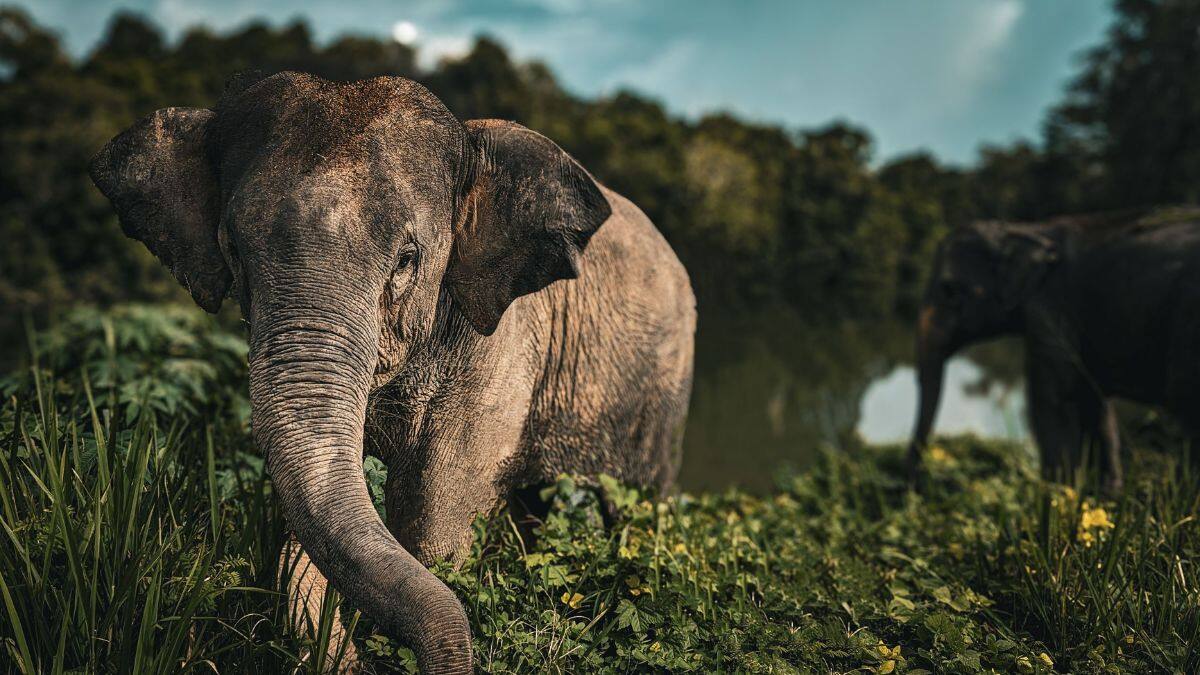
World Elephant Day 2026: India's best parks to see elephants
World Lion Day Marked At Nehru Zoo With Conservation Talks

Modi Highlights India's Elephant Conservation Efforts on World Elephant Day
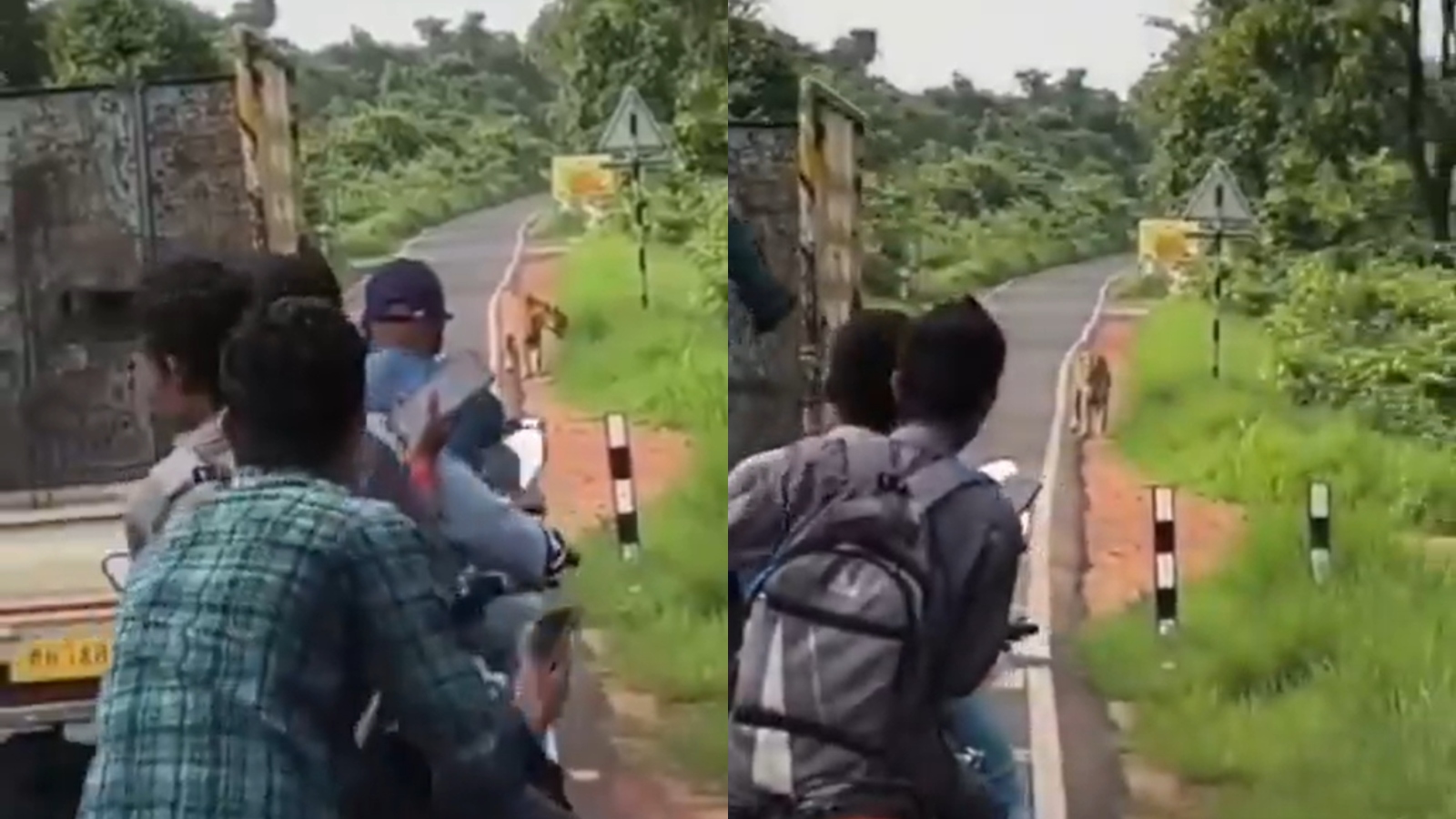
Viral Video Shows People Getting Dangerously Close to Tiger
India home to over 60% of world's wild Asian elephants
PTI Chief Urges Scepticism, Verification Amid AI News Disruption

Gadkari Calls Media Credibility Crisis Democracy’s Biggest Institutional Challenge

Auto Sector Eyes Up To 12% Growth In FY27

SBI Expects Nearly $10 Billion From NRI, Foreign Investors

NSUI Campus Campaign Draws Nearly 6,000 DU Suggestions