

Archive · 16 Sep 2026
Six States Advance Long-Delayed Kishau Dam Project Agreement
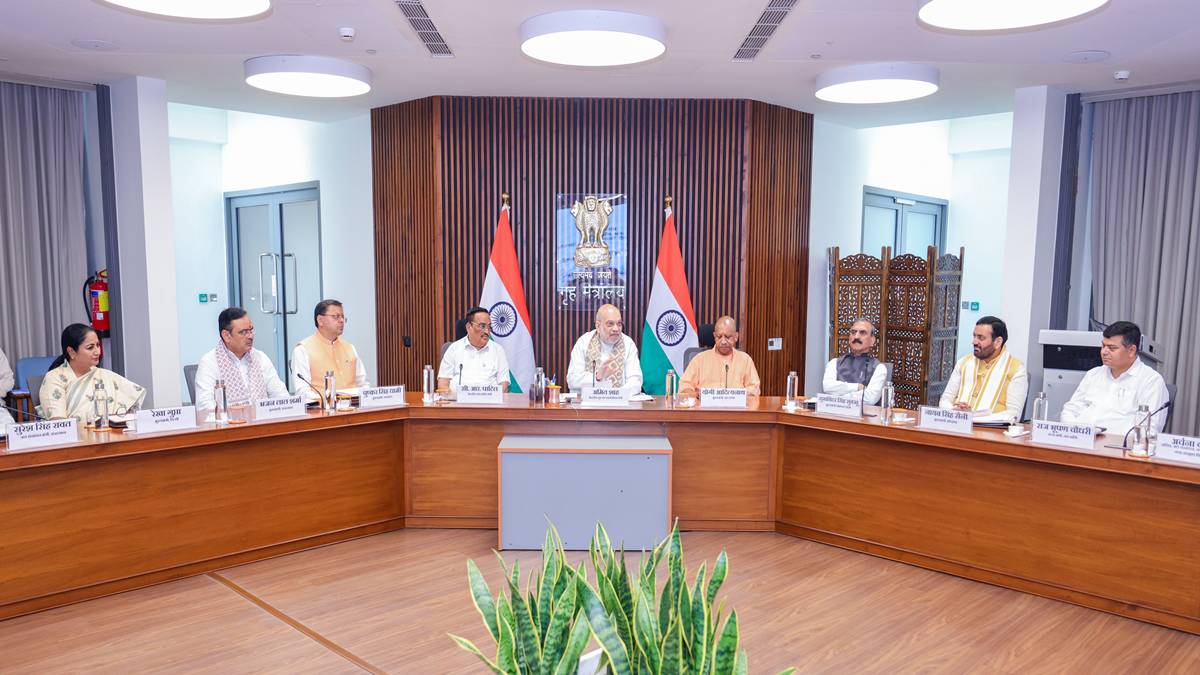
Six states agreed to move forward with the long-delayed Kishau dam project.
The states are Uttar Pradesh, Uttarakhand, Himachal Pradesh, Rajasthan, Delhi and Haryana.
The dam will be built on the Tons River near the Uttarakhand-Himachal Pradesh border.
It will store water for drinking, industry and farming.
The project is expected to help irrigate land and produce electricity.
Delhi is expected to receive the largest benefit from the water supply.
The central government will pay most of the project’s cost.
Some concerns had delayed the project, including how much Himachal Pradesh would have to pay and whether it would receive equal benefits.

Chief ministers of six states signed an agreement on September 15 to advance the Kishau Multipurpose Project.
The planned 232.6-metre concrete gravity dam will be built on the Tons River along the Uttarakhand-Himachal Pradesh border.
The project is estimated to cost Rs 15,000 crore, with the Centre expected to fund about 90 per cent.
It is designed to store 1,562 million cubic metres of water, irrigate 97,000 hectares and generate 1,476 million units of hydropower.
Delhi is described as the biggest beneficiary, while Haryana’s combined share from Kishau, Renuka Ji and Lakhwar is expected to be about 1,143 million cubic metres.
- Who
- The chief ministers of Uttar Pradesh, Uttarakhand, Himachal Pradesh, Rajasthan, Delhi and Haryana signed the agreement in the presence of Amit Shah and C R Patil.
- What
- The states agreed to advance the long-pending Kishau Multipurpose Project, including a proposed dam, water-storage facilities and hydropower infrastructure.
- When
- The agreement was signed on September 15, described in the reports as a Tuesday.
- Where
- The agreement was signed in Delhi; the proposed dam will be built on the Tons River along the Uttarakhand-Himachal Pradesh border, affecting sites in Sirmaur and Dehradun districts.
- Why
- The project is intended to increase water availability, provide drinking and industrial water, irrigate farmland, generate hydropower and benefit the participating states.
Project Supporters
Project Concerns
Benefits and urgency
Project Supporters
Union and state officials say the project will improve water availability, support irrigation, provide drinking and industrial water, generate clean hydropower and benefit Delhi and the other participating states.
Project Concerns
The project’s impacts include potential submergence of about 2,950 hectares, 17 villages and around 5,500 people, according to a 2020 feasibility study cited by Indian Express.
Cost-sharing
Project Supporters
The Centre’s proposed 90 per cent share and the six-state agreement were presented as resolving the financial and coordination issues that had delayed the project.
Project Concerns
Himachal Pradesh had held out for eight years over its financial burden, particularly the power component and whether it would receive equal benefits; under the reported MoU, Delhi and Rajasthan would cover its expense in a 75:25 ratio because they would receive the water supply.
- Proposed dam
- A 232.6-metre concrete gravity dam on the Tons River
- Estimated cost
- Rs 15,000 crore
- Funding arrangement
- The Centre is expected to bear about 90 per cent and the states 10 per cent
- Water storage
- 1,562 million cubic metres
- Irrigation
- 97,000 hectares
- Hydropower
- Proposed capacity of 422 MW and expected generation of 1,476 million units
- Potential impact
- A 2020 feasibility study estimated submergence of about 2,950 hectares, affecting 17 villages and around 5,500 people
